Bankers Are Humans, Not Machines
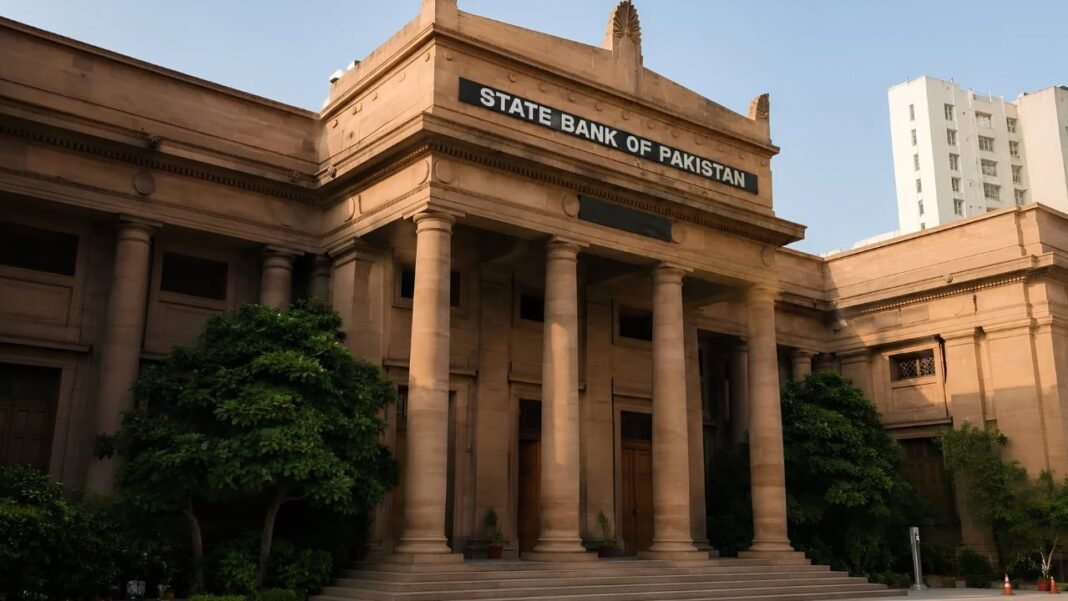
In April 2022, bank employees gathered outside the State Bank of Pakistan head office on Karachi’s I.I. Chundrigar Road with placards and a banner that said it all: “Bankers are humans, not machines.” They were protesting a government decision that extended their working week to six days. One protester told The Express Tribune that a banker works 12 to 13 hours on average — reaching the office at 8:30 in the morning and packing up at 8 at night, with no proper break.
Four years later, the conversation has not died down. Across Pakistan’s banking industry, employees at every level describe the same pressures: profit targets set far above market reality, late sittings that stretch past 10 at night, and a chain of command where pressure flows downward but protection rarely does. In September 2026, the State Bank itself directed all commercial bank branches to stay open until 10:00 PM on September 30 to facilitate tax collection, a reminder that when the system needs extra hours, it is the banker who pays for them with his evening.
This article is about the other side of that story: the rights of bankers. What the law says, what every bank employee is entitled to, and where to turn when those rights are ignored.
The Pressure Chain: How It Actually Works
To understand bankers’ rights, it helps to see how pressure moves inside a bank:
- Board of directors: Sets annual profit targets, often ambitious enough to impress shareholders. Once approved, these numbers become non-negotiable.
- Group heads and regional chiefs: Receive their share of the target. They cannot push back without risking their own positions, so the pressure passes down — sometimes multiplied.
- Branch managers and relationship managers: Face customers, deposits, recoveries, cross-selling, and reporting — all at once. A banker who brings Rs50 million in deposits this quarter may be handed Rs70 million next quarter, as we explored in our piece on banking target pressure.
- Frontline staff: Tellers, cashiers, and customer service officers absorb customer frustration, handle cash, and stay late to balance the books — the famous “late sitting” culture.
Meanwhile, those at the top of the chain enjoy salaries, bonuses, and perks that the staff delivering the numbers can only read about. This imbalance is exactly what fuels resentment — and it is why knowing your rights matters.
Your Working Hours Are Protected by Law
Pakistan’s labour framework — principally the provincial Shops and Establishments Ordinances and related labour laws — sets limits on working hours for employees in commercial establishments, including banks. The general principles every banker should know:
- Daily and weekly limits: Normal working hours are capped (generally around 8 to 9 hours a day and 48 hours a week). Work beyond that counts as overtime.
- Overtime must be compensated: Extra hours are not a favour to the employer. The law provides for overtime payment, typically at twice the ordinary rate of pay.
- Weekly rest: Employees are entitled to at least one weekly holiday. The 2022 protests erupted precisely because bankers felt this right was being taken away.
- Rest intervals: Shifts must include breaks for rest and meals — the “no break from 9 to 5” routine described by protesters is not what the law envisages.
Employment contracts and HR policies may refine these terms, but they cannot take away statutory minimums. If your appointment letter promises less than the law guarantees, the law prevails.
Leave, Health, and Dignity at Work
Beyond hours, bankers carry specific entitlements many never claim:
- Annual, sick, and casual leave: Statutory leave quotas exist for a reason. Skipping leave year after year to “look committed” damages health and is never legally required.
- Safe and harassment-free workplace: The Protection Against Harassment of Women at the Workplace Act 2010 requires every organisation to have an internal inquiry committee. Our detailed guide on workplace harassment law explains how to file a complaint — and female bankers face particular pressures that make this protection vital.
- Medical and retirement benefits: Provident fund, gratuity, and pension or EOBI coverage are legal entitlements, not generosity. The UBL employees’ historic plea to the SBP governor over withdrawn incentives shows how hard workers have had to fight to keep them.
- No forced resignations: Pressuring an employee to “resign voluntarily” to avoid paying terminal benefits is an unfair labour practice under the Industrial Relations Act 2012.
Where a Banker Can Complain — and Be Heard
Knowing your rights means little without knowing the doors to knock on. In order of escalation:
- Your bank’s HR and grievance committee: Always the first step. Put complaints in writing and keep copies — verbal complaints vanish.
- The bank’s internal harassment inquiry committee: For harassment complaints, this body is legally mandatory and must decide within defined timelines.
- Trade union: Bank employees have the legal right to form and join unions under the Industrial Relations Act 2012. Collective representation is often the only language management understands.
- Provincial labour departments and labour courts: For unpaid overtime, illegal termination, or denial of statutory benefits, labour courts are the proper forum.
- National Industrial Relations Commission (NIRC): Handles industrial disputes and unfair labour practices at the federal level.
Note: the Banking Mohtasib Pakistan handles customer complaints against banks — employee grievances go through the labour channels above, not the Mohtasib.
What Banks Themselves Should Do
Rights are not only the employee’s burden to claim. Responsible banks — and the regulator watching them — should:
- Set targets grounded in market data, not boardroom ambition, and review them when economic conditions change.
- Track and compensate overtime honestly instead of normalising unpaid late sittings.
- Publish clear, written grievance procedures and protect complainants from retaliation.
- Measure managers on team well-being and retention, not only on numbers delivered.
- Provide mental-health support — chronic stress in banking is a documented health risk, as covered in our banker life in Pakistan guide.
What You Can Do Starting Monday
- Read your appointment letter and HR manual — know your hours, leave, and overtime terms in writing.
- Keep a personal log of late sittings and extra duties with dates. Evidence turns a complaint into a case.
- Put grievances in writing — email creates a record; hallway conversations do not.
- Know your union — find out which collective bargaining agent represents your cadre.
- Talk about it — the 2022 protesters changed the conversation by refusing to suffer quietly. Silence is what the pressure chain depends on.
Frequently Asked Questions
Can my bank force me to work late every day without overtime?
No. Working hours are regulated by labour law, and sustained extra hours qualify as overtime, which must be compensated. A culture of unpaid late sittings is a violation, not a virtue.
What if my manager threatens my job over targets?
Targets are a management tool, not a legal ground for termination. Dismissal must follow due process under your contract and labour law. Threats and coercion can constitute an unfair labour practice — document them.
Where do I complain about harassment at a bank branch?
To your bank’s legally mandated internal inquiry committee under the Protection Against Harassment of Women at the Workplace Act 2010. See our harassment law guide for the full procedure.
Is there an ombudsman for bank employees?
The Banking Mohtasib serves customers. Employees seek redress through HR grievance channels, trade unions, labour courts, and the NIRC.
Did bankers ever protest successfully in Pakistan?
Yes. In April 2022, bank employees protested outside the SBP in Karachi and outside press clubs in Islamabad/Rawalpindi against the six-day working week, with Business Recorder and The Express Tribune covering their demands for restored weekly holidays.
The Bottom Line
Pakistan’s banking sector runs on the shoulders of its employees — the tellers balancing cash at midnight, the relationship managers chasing deposits in impossible markets, the branch staff absorbing every customer’s bad day. Profit targets are legitimate; treating people as machines is not. The law gives bankers rights to limited hours, overtime pay, weekly rest, leave, dignity, and collective voice. Knowing them is the first step. Using them is the second.