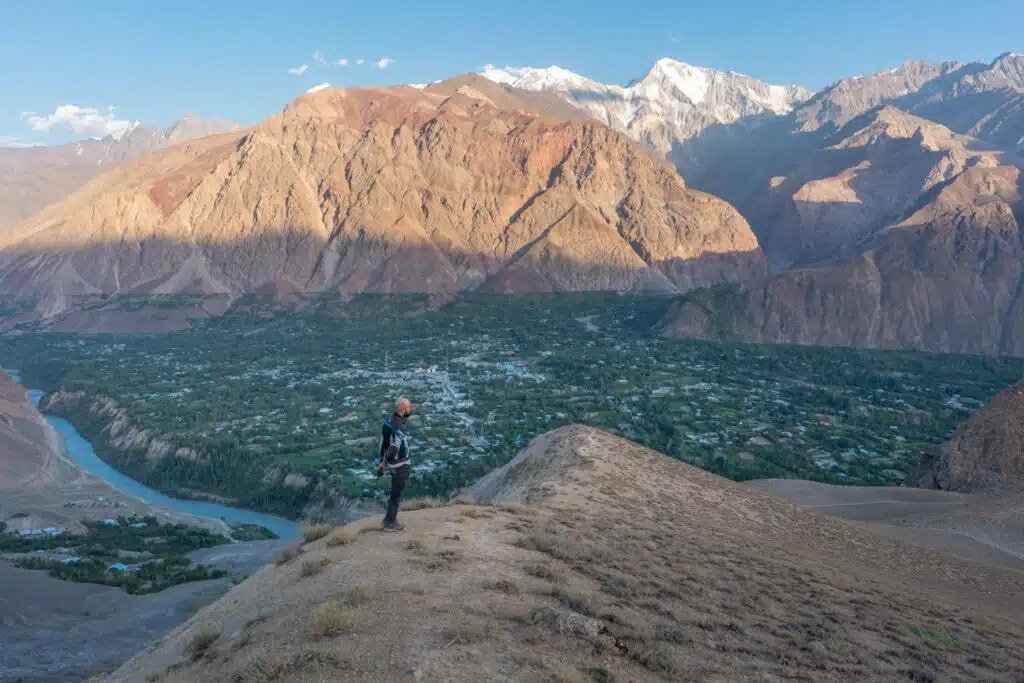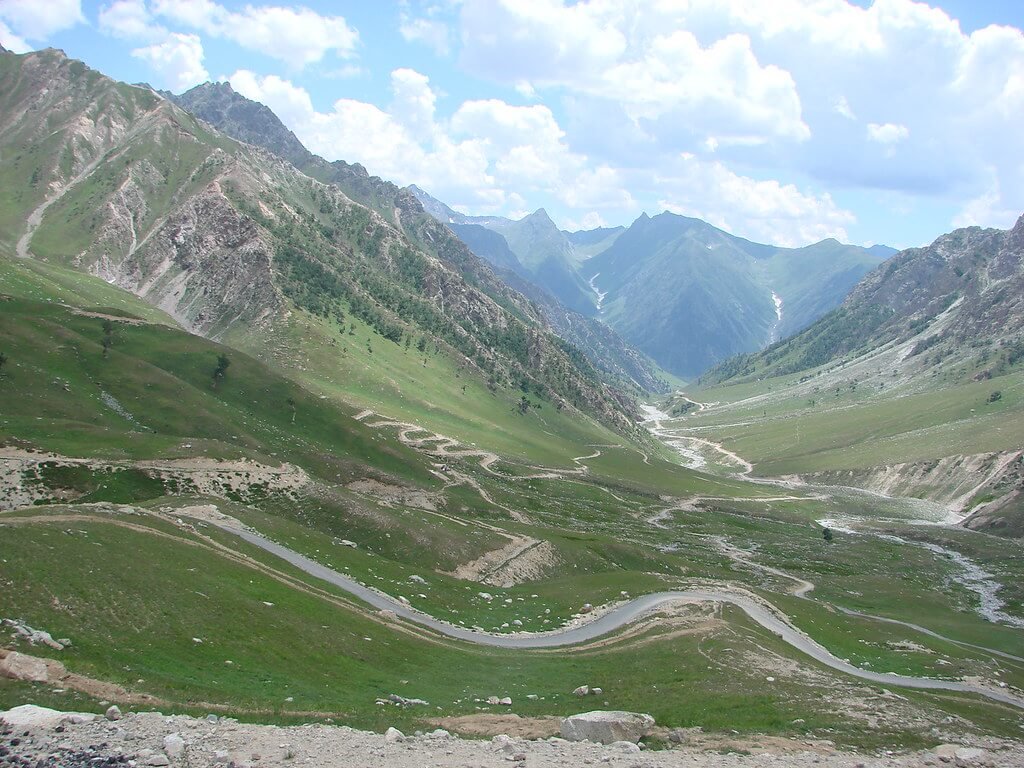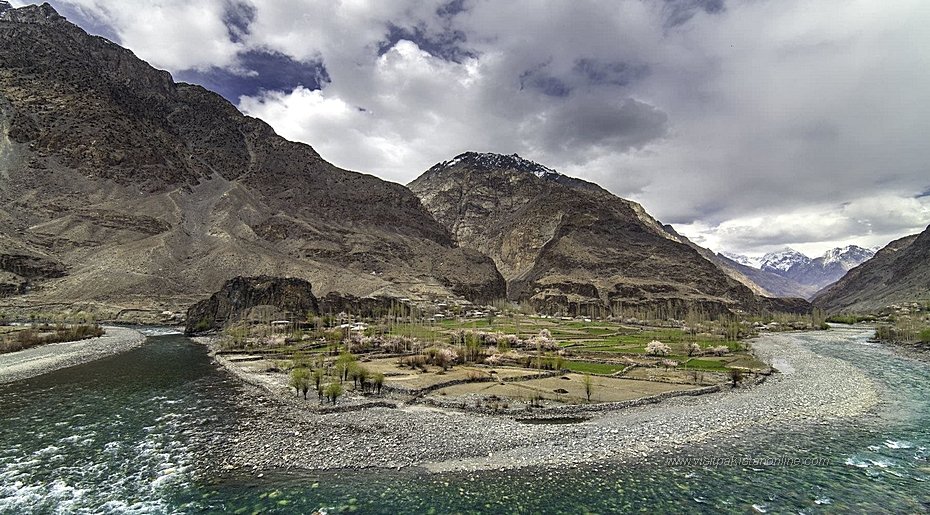
Most travelers racing from Gilgit to the famous Shandur Polo Festival drive straight past one of the northern areas’ quietest treasures. Tucked into the mountains of Ghizer District, just 22 kilometers short of Shandur Top, Burst Valley is a high, wind-cleaned valley of trout streams, grazing pastures, and Khowar-speaking villages that feels like the calm before the party. This burst valley travel guide will help you decide whether this hidden stop deserves a place on your next Gilgit-Baltistan trip — and exactly how to reach it, when to go, and what to do when you arrive.
Quick Facts
- Location: Ghizer District, Gilgit-Baltistan, Pakistan — on the road from Gilgit to Shandur Top, via Gupis and Phander
- Altitude: around 3,270 meters (about 10,720 feet) above sea level
- Famous For: crystal-clear trout streams, angling, alpine pastures, and being the last peaceful stop before the Shandur polo ground
- Nearest City: Gilgit (about six hours by road); Gupis is the nearest major settlement
- Accessibility: road only, via the Gilgit–Gupis–Phander–Shandur route; open in summer, closed in winter
- Known Landmarks: the valley’s trout streams, nearby Shandur Top and Shandur Lake
- Best For: anglers, slow travelers, families seeking quiet mountain scenery, and Shandur Polo Festival visitors looking for a base nearby
Why Visit Burst Valley
There is a particular kind of traveler who falls in love with the north of Pakistan — not for the festivals or the crowds, but for the long silences between mountain ridges, the sound of cold water over stones, and villages where life has barely changed in a hundred years. If that sounds like you, Burst Valley may be one of the most rewarding detours in Gilgit-Baltistan. Sitting at about 10,720 feet, the valley is high enough to feel genuinely alpine yet low enough to be gentle, with grassy slopes, grazing herds, and some of the finest trout streams in the district.
Anglers know the secret already. The trout streams of Burst Valley draw fishermen who come for the thrill of casting into some of the clearest water in the north. The Ghizer region’s waters were famously stocked with trout generations ago, and the fish have thrived in these cold, oxygen-rich streams ever since. Even if you have never held a rod, watching the water flash silver in the afternoon light is reason enough to stop.
The valley’s other great claim is its position: 22 kilometers from Shandur Top, the site of the world-famous Shandur Polo Festival. Every July, thousands of travelers pour toward the highest polo ground on earth at 3,700 meters, and accommodation near Shandur fills fast. Burst Valley offers a calmer, more authentic base — close enough to drive up for the festival days, far enough to sleep in real quiet. It is the traveler’s sweet spot: all the atmosphere of the event, none of the tent-village chaos.
And then there is the culture. Khowar is spoken here, the same language you will hear across the Shandur Pass in Chitral. The villages of Burst Valley share more with Chitral than with the valleys east of Gilgit, and visitors with even a little curiosity will find warm hospitality, distinctive wooden architecture, and a way of life shaped by altitude, seasons, and the mountain streams that make everything possible.
History of Burst Valley
Unlike the great Gandharan sites of the south, Burst Valley carries no ancient stupas or inscribed rocks — its history is the quieter, deeper history of the mountain peoples of the Hindukush. For centuries, the valley sat along the seasonal movement routes between Gilgit and Chitral, with herders and traders moving flocks and goods over the Shandur Pass long before a jeep road existed. The Khowar-speaking communities of upper Ghizer are culturally kin to Chitral on the far side of the pass, and that connection shaped everything from marriage customs to the design of their houses.
The valley’s modern story is inseparable from the Shandur Pass itself. Polo at Shandur has been played since at least the 1930s, when the British political agent Colonel Evelyn Hey Cobb is credited with formalizing the ground, and the annual Shandur Polo Festival — held every year from 7 to 9 July — has made the pass world famous. Burst Valley, the last stop before the top on the Gilgit side, grew naturally into the traveler’s gateway: a place to rest, fish, and acclimatize before the final climb.
The Gilgit-Baltistan government now officially lists Burst Valley among Ghizer District’s tourist destinations, recognizing its trout streams and its position on the Shandur route. In recent years, as domestic tourism to the north has surged, the valley has quietly become known among anglers and road-trippers looking for the north without the noise — a reputation that, mercifully, still rests on word of mouth rather than billboards.
Top Things to Do in Burst Valley
Fish the Trout Streams
This is the valley’s signature experience and the reason many travelers make the trip at all. The cold streams of Burst Valley hold healthy populations of trout, and a few patient hours on the bank with a rod is many visitors’ highlight of their entire Gilgit-Baltistan tour. Bring your own gear if you can — equipment is not reliably available to rent in the valley itself — and check local guidance on seasons and limits. Even a short walk along the water, watching the fish dart in the clear pools, is worth the journey.
Base Yourself for the Shandur Polo Festival
The Shandur Polo Festival runs every year from 7 to 9 July on the world’s highest polo ground at 3,700 meters, just 22 kilometers up the road. Staying in Burst Valley during the festival gives you the best of both worlds: you can drive up for the matches, the folk music, and the famous freestyle final between Chitral and Gilgit-Baltistan, then retreat to the valley’s calm for the night. Book ahead — the whole corridor fills during festival week.
Walk Up the Valley
Above the road, Burst Valley opens into high pastures where shepherds graze their flocks in summer. There are no marked trails, but the walking is gentle by northern standards and the rewards are enormous: wildflowers in July and August, marmots on the scree, and views down the long green trough of the valley toward Phander. Go with a local guide if you plan to climb far, and carry water — the sun at 3,270 meters is stronger than it feels.
Drive On to Shandur Top and Chitral
Burst Valley sits almost exactly on the Gilgit–Shandur–Chitral corridor. From the valley it is a short, spectacular climb to Shandur Top, and from there the road descends into Chitral — one of the great mountain drives of Pakistan. If your itinerary includes both Gilgit-Baltistan and Chitral, plan your crossing through Burst Valley rather than rushing it in a day.
Meet the Khowar-Speaking Villages
The villages of the valley run on Khowar, the language of Chitral, and their culture has more in common with the west side of Shandur than the east. Spend an afternoon in a village tea house, learn the local greetings, and you will get a warmer welcome than any hotel could offer. Always ask before photographing people — a smile and a greeting in Khowar goes a long way.
Famous Places In and Around Burst Valley
- Shandur Top (22 km): the world’s highest polo ground at 3,700 meters and site of the annual July polo festival
- Shandur Lake: the high alpine lake beside the polo ground, ringed by some of the most photographed scenery in the north
- Phander Valley: the lush green valley below Burst on the Gilgit road, famous for Phander Lake and its trout
- Gupis: the main town of the region, with bazaars, guesthouses, and the historic Gupis Fort area
- Khalti Lake: another of Ghizer’s beautiful high lakes, reachable from the Gupis side
For more ideas across the region, browse the Explore Pakistan collection on Feature Pakistan.
How to Reach Burst Valley
Burst Valley is a road journey through some of the finest mountain scenery in Pakistan — and the journey is genuinely part of the reward. There is no airport in the valley; you travel to Gilgit first, then drive west into Ghizer District.
Route Details
- Fly or drive to Gilgit: from Islamabad, flights to Gilgit take about an hour (weather permitting), or drive the Karakoram Highway — roughly 14 to 18 hours depending on stops. From Lahore, fly to Islamabad first, then connect; from Karachi, fly to Islamabad or Gilgit via connecting flights.
- Gilgit to Gupis: take the Gilgit–Shandur road west. The drive climbs through the narrow gorges of the Ghizer River valley toward Gupis, the district’s main town.
- Gupis to Phander: continue up the valley. A twisting road of about 61 kilometers runs from Gupis through lush green country toward Phander Valley — budget a couple of hours for this stretch.
- Phander to Burst Valley: continue toward Shandur. The valley lies about 22 kilometers short of Shandur Top, on the same road.
The total drive from Gilgit to Burst Valley is about six hours. From Islamabad, plan on a full day and night of travel at minimum — most visitors overnight in Gilgit or Gupis and continue to the valley the next morning.
Road conditions: the Gilgit–Shandur road is a mountain road — paved in stretches, rough and narrow in others, with steep drops in places. The route over Shandur opens only in summer (roughly June to September); in winter the pass is blocked by snow and Burst Valley itself becomes very difficult to reach. A 4×4 or high-clearance vehicle is strongly recommended, especially after rain or for the final stretches near the top. Public transport does not run a scheduled service to the valley — hire a private jeep or car from Gilgit or Gupis, or travel with an organized tour.
Where to Stay in Burst Valley
Accommodation in and around Burst Valley is simple, and that is part of its charm. There are no luxury resorts here — plan for guesthouses and camping rather than hotels with room service.
Guesthouses in the valley: a handful of basic guesthouses and local-run lodgings serve the valley, catering mainly to anglers and Shandur-bound travelers. Expect clean rooms, home-cooked food, and hot water on request rather than guaranteed. Because the valley is small, book ahead during July (polo festival season) when demand across the whole corridor spikes.
Gupis and Phander: for a wider choice, stay in Gupis or Phander, where the bazaars support a larger number of hotels and guesthouses at mid-range and budget levels. These towns make good bases if you want more reliable meals and mobile coverage while still being within striking distance of the valley.
Camping: summer camping is one of the great pleasures of the area — the high pastures above the road are spectacular. Bring a proper four-season or sturdy three-season tent, a warm sleeping bag (nights drop near freezing even in August), and a stove; carry all rubbish out with you. During the Shandur Polo Festival, a large tent village is set up near the polo ground itself.
Where to Eat: Local Foods of Burst Valley
Food in upper Ghizer follows the mountain logic of the Hindukush: hearty, dairy-rich, and built around what the high valleys produce. The most famous local food here is the one you catch yourself — fresh trout, grilled or pan-fried, from the valley’s own streams. Anglers routinely turn the day’s catch into dinner, and local cooks know exactly how to prepare it simply with salt, local herbs, and mountain butter.
Beyond trout, expect the staples of the region: wheat breads baked fresh, dairy in every form (yogurt, butter, and local cheese), potatoes and seasonal vegetables, and dried fruits — apricots, mulberries, and walnuts — that Ghizer is known for. In the village tea houses you will find simple, filling meals: lentils, rice, and meat dishes in the northern style, with endless cups of salted or sweet milk tea. The bazaars of Gupis add chapli kebabs, samosas, and the usual traveler-friendly fare.
Meals here are budget-friendly by city standards — a full local meal in a village dhaba costs little, and even a proper trout dinner at a guesthouse remains very reasonable. Carry snacks and water for the road between towns, and if you have dietary needs, stock up in Gilgit, where the bazaars are far better supplied.
Weather in Burst Valley
At around 3,270 meters, Burst Valley has a true high-mountain climate: short, glorious summers and long, severe winters. The sun is intense at this altitude even when the air is cool, and temperatures can swing 20 degrees between afternoon and night. These are approximate ranges — mountain weather is famously changeable, so always check a forecast before traveling.
| Season | Temperature Range | Conditions |
|---|---|---|
| Winter (Dec–Feb) | roughly -20°C to -5°C | Deep snow, road over Shandur closed, valley largely inaccessible |
| Spring (Mar–May) | roughly -5°C to 12°C | Snow melting, streams swelling, road still closed until late spring |
| Summer (Jun–Sep) | roughly 5°C to 22°C | Warm days, cool nights, green pastures, road open — the visiting season |
| Autumn (Oct–Nov) | roughly -10°C to 10°C | Golden larches and poplars, first snows, road closes as winter sets in |
Where is Burst Valley weather at its best? June through September. July and August bring the warmest days and the famous green of the high pastures; September is quieter, with golden autumn colors and fewer travelers. Nights stay cold year-round — pack a warm layer even in midsummer.
Language and Culture of Burst Valley
The language of Burst Valley is Khowar, the mother tongue of Chitral, spoken on both sides of the Shandur Pass. Most residents also understand Urdu, and many speak some English, particularly those who work with tourists. Learning a few Khowar greetings — even just a hello and thank you — will light up faces and open doors.
The culture here is mountain Muslim, conservative and deeply hospitable. Guests are honored, and refusing tea is harder than accepting it. Dress modestly — long sleeves and trousers for men, covered arms and legs and a headscarf for women, especially in the villages. Ask permission before photographing people, homes, or livestock; a friendly greeting first makes all the difference. The communities are small and everyone knows everyone — behave as a guest in someone’s home, because that is exactly what you are.
Like the rest of the high north, the valley runs on the seasons: summers of grazing, farming, and fishing; winters of snow and quiet. If you visit in July, you will feel the excitement building toward the polo festival; visit in September and you will see the harvest and the preparations for the long winter.
Shopping in Burst Valley
Do not come to Burst Valley expecting bazaars — come expecting the authentic, small-scale crafts of the high Hindukush. In the villages you may find hand-woven woolen items: shawls, caps (the famous Chitrali-style pakol is worn here too), and thick socks made for mountain winters. Dried apricots, mulberries, walnuts, and local honey make excellent, packable souvenirs — Ghizer’s dried fruit is genuinely some of the best in the north.
For anything more, the bazaar at Gupis is your stop: general stores, basic outdoor gear, dry fruits in bulk, and the usual traveler supplies. Serious shopping — handicrafts, gemstones, woolen garments — is better done in Gilgit’s bazaars on your way through. There are no shopping malls anywhere near the valley, and that is unlikely to change.
Local Events and Festivals
The one great event of the region is the Shandur Polo Festival, held every year from 7 to 9 July on the Shandur Polo Ground, just 22 kilometers from Burst Valley. Played at 3,700 meters between the teams of Chitral and Gilgit-Baltistan under freestyle rules — no umpires, few holds barred — it is the highest polo tournament on earth and one of Pakistan’s most extraordinary spectacles. The festival also features folk music, traditional dancing, and a tent village on the pass. Burst Valley is the ideal quiet base for attending: close enough for day trips to the matches, peaceful enough for real sleep.
Outside festival week, the valley follows the agricultural and religious calendar like the rest of the north — Eid celebrations, the wheat and potato harvests in late summer, and village gatherings that visitors may be lucky enough to witness. These are community events rather than tourist spectacles; if you are invited, go, and bring your respect along with your camera.
Travel Tips for Burst Valley
Packing Essentials
Layers are everything. Pack a warm jacket, fleece, and a windproof shell even in July — nights drop toward freezing at 3,270 meters. Sturdy walking shoes, a sun hat, strong sunscreen, and sunglasses are non-negotiable at this altitude. Bring a basic first-aid kit, any personal medicines (the nearest real pharmacy is in Gupis), a headlamp, and a reusable water bottle. If you plan to fish, bring your own rod and tackle.
Safety Tips
The valley is peaceful and crime against travelers is rare, but the mountains demand respect. Never drive the Shandur road at night. Keep to the road’s mountain side on blind turns and give way to descending traffic. Watch for altitude effects — headaches and shortness of breath are common above 3,000 meters; ascend gradually and hydrate. Streams are glacier-fed and dangerously cold; do not swim in them. Travel with a local driver who knows the road if you are not experienced on mountain tracks.
Money & Connectivity
Carry cash — there are no ATMs in Burst Valley, and the nearest reliable ones are in Gilgit or Gupis. Mobile signals are patchy: expect limited or no coverage in the valley itself, with better signals in Gupis and near Shandur Top during festival season. Download offline maps before leaving Gilgit, and let someone know your itinerary. Fuel up in Gilgit or Gupis; there are no proper fuel stations on the upper road.
Best Time to Visit Burst Valley
Summer (June to September) — the season
This is when Burst Valley is at its magnificent best. The road opens, the pastures turn emerald, the trout streams run clear, and the long days make every hour count. July brings the Shandur Polo Festival — the valley’s busiest and most electric week. August is peak green; September is golden, quiet, and many travelers’ favorite.
Spring (April to May) — the shoulder
Beautiful but tricky. The valley wakes up, wildflowers appear, and the streams swell with meltwater — but the Shandur road usually remains closed until June, so reaching the valley may be impossible or require a very long, uncertain approach. Check road status before planning.
Autumn (October to November) — the farewell
Early October can be lovely, with autumn color and empty roads, but the window is short. By late October the first heavy snows arrive and the road closes. This is a gamble for experienced travelers only.
Winter (December to March) — closed
Do not attempt it. The Shandur Pass is buried, temperatures plunge toward -20°C, and the valley is effectively cut off. Plan for summer instead.
Final Thoughts
Burst Valley will never be the most famous destination in Gilgit-Baltistan, and that is precisely its gift. While the crowds gather at the well-known lakes and meadows, this high valley of trout streams and Khowar villages goes quietly about its business — which means travelers who make the effort are rewarded with something increasingly rare in the north: authenticity without an audience.
Whether you come to fish, to base yourself for the Shandur Polo Festival, or simply to drive one of Pakistan’s great mountain roads at your own pace, the valley deserves more than a drive-through. Give it a night or two. Walk up past the last houses, sit by the water, and let the silence do its work. You will understand why the people who know the north best keep places like this close to their hearts.
FAQs
Where is Burst Valley located?
Burst Valley is in Ghizer District of Gilgit-Baltistan, Pakistan, about 22 kilometers short of Shandur Top on the Gilgit–Shandur road, roughly six hours’ drive from Gilgit via Gupis and Phander.
What is the best time to visit Burst Valley?
June to September, when the Shandur road is open. July is festival season (the Shandur Polo Festival runs 7–9 July); August and September offer the greenest pastures and quietest roads.
How do I reach Burst Valley?
Fly or drive to Gilgit, then drive west on the Gilgit–Shandur road through Gupis and Phander — about six hours total. A 4×4 or high-clearance vehicle is recommended. There is no airport in the valley.
Is Burst Valley safe for families?
Yes. The valley is peaceful, the people are hospitable, and the main activities — fishing, walking, sightseeing — suit all ages. The mountain road requires a careful driver, and nights are cold, so pack accordingly.
What is Burst Valley famous for?
Its crystal-clear trout streams, its position as the last stop before Shandur Top, and its Khowar-speaking villages. Anglers and Shandur Polo Festival visitors know it best.
Where can I stay in Burst Valley?
Basic guesthouses in the valley, a wider choice of hotels and guesthouses in Gupis and Phander, and summer camping in the high pastures. Book ahead during the July polo festival.
What language is spoken in Burst Valley?
Khowar, the language of Chitral, is the local mother tongue. Urdu is widely understood.
Can I attend the Shandur Polo Festival from Burst Valley?
Absolutely — it is one of the best reasons to stay here. The polo ground is 22 kilometers up the road, and the festival runs every year from 7 to 9 July with matches, folk music, dancing, and a tent village.