Quick Facts
- Location: Jhelum Valley District, Azad Jammu and Kashmir, about 46 km from Muzaffarabad via Hattian Bala
- Altitude: around 1,600 metres above sea level
- Famous For: pine forests and meadows, Zalzal Lake, and the gateway to the Ganga Choti trek
- Nearest City: Muzaffarabad (about 1.5 hours by road)
- Accessibility: reached by road off the main Jhelum Valley road; nearest airport is Islamabad
- Known Landmarks: Zalzal Lake, Sudhan Gali, Ganga Choti viewpoint routes
- Best For: families, nature lovers, trekkers, photographers, and summer escapes from the plains
Why Visit Chikar
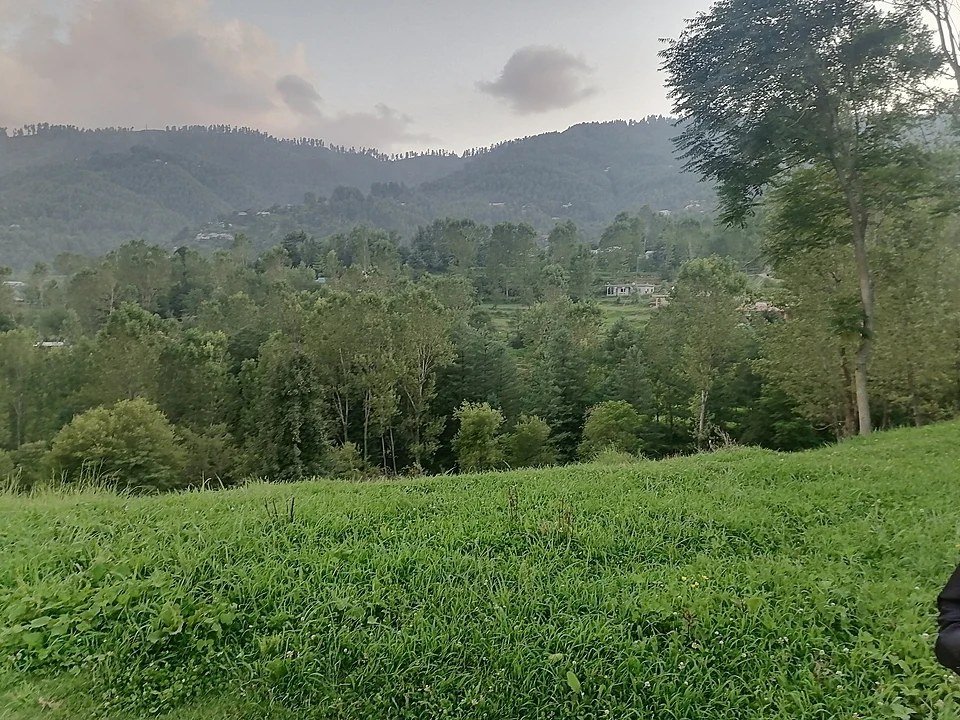
If your idea of a perfect mountain escape is cool air, pine forest, and green meadows without the crowds of Murree or Naran, Chikar was made for you. This modest hill station in Azad Kashmir’s Jhelum Valley sits at around 1,600 metres, wrapped in deodar and pine, and it has something most bigger resorts cannot offer: it is the doorway to some of the region’s most distinctive sights. From Chikar you can stand on the shore of a lake that did not exist before 2005, and from Chikar begins the road to one of Kashmir’s most beloved treks.
Chikar is perfect for the traveler who wants the mountains at a human pace. The town itself is unassuming — meadows, forest walks, small bazaars, and guesthouses rather than grand hotels — which means you get the genuine hill-town experience: morning mist in the pines, shepherds moving their flocks, and evenings cool enough for a shawl even in July. Families love it because it is safe, walkable, and affordable; trekkers love it because it puts them within striking distance of Ganga Choti; and photographers love the soft, green light of the Jhelum Valley.
Then there is Zalzal Lake, the sight that gives Chikar its sobering depth. The lake was born in the 2005 Kashmir earthquake, when a mountainside collapsed and blocked a river’s path, drowning five villages beneath what is now a 3.5-kilometre-long sheet of water. To stand on its shore is to feel, quietly, both the power of nature and the resilience of the people who rebuilt their lives around it. Few places in Pakistan compress geology, tragedy, and beauty into a single view the way Zalzal Lake does.
Chikar also works beautifully as part of a longer Azad Kashmir journey. It sits on the classic circuit that runs Islamabad–Muzaffarabad–Jhelum Valley–Leepa, and it makes an ideal overnight stop between the valley road and the high meadows of Sudhan Gali. Whether you come for a weekend or a week, Chikar rewards the traveler who slows down — and in the mountains, slowing down is the whole point.
History of Chikar
Chikar’s recorded history is the history of the Jhelum Valley itself — a borderland where Dogra, Sikh, and earlier Kashmiri powers contested the mountain passes. Travel writers note that Chikar was regarded as a place of importance in ancient times, particularly during the Dogra period and under the Budshah (Zain-ul-Abideen) era of Kashmir, when the valley’s towns served as waystations on the routes between the Kashmir Valley and the Punjab plains. The old Chakothi road and the Sudhan Gali route that pass near Chikar have carried traders, armies, and pilgrims for centuries.
The modern town grew as a summer retreat and administrative outpost of the Jhelum Valley, valued for its cool climate and its position on the spur road off the main valley highway via Hattian Bala. Unlike purpose-built resorts, Chikar developed organically around its bazaar, schools, hospital, and banks — it is a living hill town first and a tourist stop second, which is precisely its charm.
The most dramatic chapter in Chikar’s recent history was written on 8 October 2005, when the Kashmir earthquake devastated Azad Kashmir and northern Pakistan. Near Chikar, a massive landslide dammed the river and created Zalzal Lake — 3.5 kilometres long and, by local accounts, some 350 feet deep — submerging five villages. The lake remains as both a memorial and a landscape, and it fundamentally changed Chikar’s identity: the quiet hill town became the gateway to one of Pakistan’s most poignant natural sights.
Today Chikar is a modest but growing tourist base, with AJK tourism guesthouses and private resorts serving visitors bound for Zalzal Lake, Sudhan Gali, and the Ganga Choti trek. It remains low-key by design — a place for travelers rather than crowds — and its future lies in exactly that balance between a working hill town and a mountain escape.
Top Things to Do in Chikar
Visit Zalzal Lake
The number one sight near Chikar is Zalzal Lake, a short drive from town. Walk its shoreline, photograph the drowned valley’s still waters against the forested slopes, and take a moment to understand what you are seeing: a landscape remade in seconds by the 2005 earthquake. Boating is sometimes available through local operators. Visit in the morning for calm water and the best reflections, and treat the site with the quiet respect its history deserves.
Trek Toward Ganga Choti
From Chikar, the road continues via Sudhan Gali toward Ganga Choti, a 3,045-metre (9,990 ft) peak in the Pir Panjal range and one of Azad Kashmir’s most popular treks. The mountain sits between the Chikar and Bagh districts, and its summit meadows offer sweeping views across the valley systems. You can do it as a long day trek from the Sudhan Gali side or as an overnight trip; the bazaar at Sudhan Gali provides food and basic lodging near the trailhead. This is a proper mountain trek — go with a guide, carry layers, and start early.
Walk the Pine Forests and Meadows
Chikar itself is best explored on foot. The pine and deodar forests around the town hold easy walking trails, and the meadows above the bazaar are perfect for a picnic or an evening stroll. Loon Bagla, a dense forest area about 10 kilometres from Chikar, makes a lovely half-day excursion for nature lovers. Dawn walks here are magical — mist in the trees, birdsong, and the valley waking up below.
Explore the Bazaar and Town Life
Chikar’s bazaar is small but complete — markets, a hospital, banks, a post office, and educational institutes serve the town and surrounding villages. Spend an unhurried hour here: drink doodh patti at a tea stall, browse the shops selling shawls and dry fruits, and talk to shopkeepers, who are famously welcoming to visitors. This is the living hill town behind the postcard, and it is worth your time.
Day-Trip to Sudhan Gali
Sudhan Gali, further along the road from Chikar, is a high meadow area with its own bazaar, food stalls, and lodging — and the main staging point for Ganga Choti. Even if you do not trek the peak, the drive up through the forest to Sudhan Gali’s open meadows is one of the prettiest short journeys in Azad Kashmir. Pack a picnic, or eat at the bazaar’s dhabas.
Famous Places In and Around Chikar
- Zalzal Lake — the earthquake-formed lake, 3.5 km long, near Chikar.
- Ganga Choti (3,045 m) — the Pir Panjal peak trekked via Sudhan Gali.
- Sudhan Gali — high meadows, bazaar, and trek base beyond Chikar.
- Loon Bagla — dense forest area about 10 km from Chikar.
- Hattian Bala — the district headquarters town on the route from Muzaffarabad.
- Muzaffarabad — the Red Fort, Pir Chinasi viewpoint, and the confluence of the Jhelum and Neelum rivers.
- Leepa Valley — the spectacular valley further along the Jhelum Valley road, near the Line of Control.
How to Reach Chikar
Chikar is reached by road via Muzaffarabad. From Islamabad, drive to Muzaffarabad (about 150 km via Murree and Kohala, roughly 3.5 to 4 hours), then continue on the Jhelum Valley road toward Hattian Bala and take the spur road up to Chikar — the Muzaffarabad-to-Chikar leg is about 46 km and takes around 1.5 hours. The total Islamabad–Chikar journey is roughly 200 km and typically takes 5 to 6 hours depending on traffic and road works.
From Lahore, the drive to Chikar is roughly 450 km via Islamabad (8 to 9 hours); most Lahore travelers break the journey in Islamabad or Muzaffarabad. From Karachi, fly to Islamabad (about 2 hours) and drive from there — the road journey from Karachi is over 1,500 km and not practical in one go. The nearest airport is Islamabad International Airport.
Road conditions on the Islamabad–Muzaffarabad highway are generally good, and the Jhelum Valley road is paved, though mountain sections can be narrow with occasional landslide debris after rain. In winter, check conditions before traveling — snow can affect the higher stretches toward Sudhan Gali. Transport options include your own car, a hired car with driver (recommended for mountain roads), or public vans and coasters from Muzaffarabad’s bus stands to Hattian Bala and Chikar. Tour operators in Islamabad and Muzaffarabad also run Chikar into their Azad Kashmir packages.
Route Details
- From Islamabad: take the Murree Expressway to Murree, continue via Kohala to Muzaffarabad (about 150 km, 3.5–4 hours). From Muzaffarabad, follow the Jhelum Valley road (N-75) toward Hattian Bala, then take the spur road up to Chikar (46 km, about 1.5 hours).
- From Muzaffarabad: head east on the Jhelum Valley road past Garhi Dupatta toward Hattian Bala; the Chikar turn-off is well signposted. Allow 1.5 hours.
- From Lahore: take the M-2 to Islamabad, then follow the Islamabad–Muzaffarabad–Chikar route above. Consider an overnight stop in Muzaffarabad.
- To Zalzal Lake: a short drive from Chikar town on local roads — ask your hotel or a local driver for the current access point.
- To Sudhan Gali and Ganga Choti: continue past Chikar on the mountain road toward Sudhan Gali; the trek to Ganga Choti starts from the Sudhan Gali side.
Where to Stay in Chikar
Chikar’s accommodation is modest and welcoming rather than luxurious — which suits the town’s character. The AJK Tourism Guest House in Chikar is a reliable, well-reviewed option run by the tourism department, offering clean rooms in a good location. Private options with solid reputations include the Highland Resort Chikar and the Hill View Resort, both known to travelers on the Jhelum Valley circuit. Tour operators frequently use the PTDC-style motel setup at Chikar as well.
Mid-range guesthouses and small hotels cluster around the town and the road to Zalzal Lake; most offer attached bathrooms, hot water (ask in winter), and home-style meals on request. There are no five-star hotels in Chikar — travelers wanting luxury should base in Muzaffarabad, where the Pearl Continental offers the full high-end experience, and visit Chikar as a day trip or overnight. Book ahead in summer (June–August) and on Eid holidays, when Azad Kashmir’s hill stations fill up. For trekkers heading to Ganga Choti, basic lodging and food are also available at the Sudhan Gali bazaar near the trailhead.
Where to Eat: Local Foods of Chikar
Chikar’s food is hearty mountain fare with the unmistakable influence of Kashmiri cuisine. In the town’s dhabas and small restaurants you will find the classics of the region: rogan josh, yakhni (yogurt-based mutton curry), and gushtaba (meatballs in yogurt gravy) appear on menus alongside everyday Pakistani dishes like chicken karahi, daal, and sabzi. Breakfast is a pleasure here — makai ki roti (cornmeal flatbread) with saag and a glass of doodh patti, the milky mountain tea, sets you up for a day on the trails.
The Sudhan Gali bazaar has its own cluster of food stalls and dhabas serving trekkers — expect simple, filling meals: parathas, omelettes, chai, and rice plates. Meals at local dhabas are budget-friendly, and portions are generous. Carry snacks and water for treks, as there are no shops on the Ganga Choti trail. As everywhere in the mountains, drink bottled or boiled water, and try the local walnuts and dried apricots sold in the bazaar — the Jhelum Valley’s orchards produce some of the best in the region.
Weather in Chikar
Chikar’s altitude of around 1,600 metres gives it a true hill-station climate: pleasantly cool summers, cold winters with occasional snow, and the heaviest rain in the monsoon and spring. The recommended visiting season is April to October, when the meadows are green, the roads are clear, and the temperatures are ideal for walking and trekking. Winter has its own stark beauty but brings road and cold challenges.
| Season | Temperature Range | Conditions |
|---|---|---|
| Winter (Dec–Feb) | -5–12°C | Cold; occasional snowfall on higher slopes; some roads may be affected |
| Spring (Mar–Apr) | 8–22°C | Mild and fresh; wildflowers; occasional rain showers |
| Summer (May–Aug) | 18–30°C | Pleasantly cool; the peak season; monsoon rains July–August |
| Autumn (Sep–Nov) | 10–25°C | Clear skies; golden forest colors; excellent trekking weather |
Language and Culture of Chikar
The first language of the Jhelum Valley is Pahari, the mountain tongue of Azad Kashmir, spoken in homes and bazaars around Chikar. Urdu is the shared language and works everywhere — in hotels, with drivers, and on the trails. You will also hear Kashmiri influences in the culture: the cuisine, the shawls, and the warm, unhurried hospitality that defines the region.
Azad Kashmir’s culture is conservative and deeply hospitable. Dress modestly — long trousers or shalwar kameez, and a headscarf for women is appreciated though not always required — and greet people with “Assalam-o-Alaikum.” Guests are treated with genuine honor here; accept offers of tea graciously. On treks, stick to marked paths, do not stray near the Line of Control areas further down the valley (follow local advice and any signage), and carry out all litter. Photography of people is welcome with permission — a smile and a gesture go a long way.
Shopping in Chikar
Chikar’s bazaar covers daily needs and a few good souvenirs, but it is not a shopping destination — plan major shopping for Muzaffarabad. In Chikar, look for Kashmiri shawls and woolens sold in the bazaar shops, along with local dry fruits: walnuts, almonds, and dried apricots from the valley’s orchards make excellent, packable gifts. Honey from the mountain villages is another local specialty worth asking about.
There are no shopping malls in Chikar — and that is part of its appeal. For a wider selection of Kashmiri handicrafts (papier-mâché boxes, crewel embroidery, namda rugs), stop at Muzaffarabad’s bazaars on your way through. Prices in hill-town shops are generally fixed or only lightly negotiable; the pleasure here is in authentic local goods rather than bargains.
Travel Tips for Chikar
Packing Essentials
Layers are everything in the mountains: even in summer, evenings at 1,600 metres are cool, so pack a fleece or shawl alongside your t-shirts. Sturdy walking shoes with grip handle the forest trails and the uneven shore of Zalzal Lake. Sunscreen and sunglasses are essential — mountain sun is strong. For the Ganga Choti trek, add a rain shell, a warm layer, a headlamp, and a basic first-aid kit. In winter, pack proper cold-weather gear.
Safety Tips
Chikar itself is peaceful and safe for travelers, including families. The main cautions are mountain-standard: check weather and road conditions before driving the valley roads, avoid night driving on mountain stretches, and trek with a guide rather than alone. The Jhelum Valley runs near the Line of Control further east — stay on the tourist routes around Chikar, Sudhan Gali, and Leepa’s open areas, and always follow local advice and official signage.
Money & Connectivity
Chikar town has banks and ATMs, but they can run dry on busy weekends — withdraw cash in Muzaffarabad or Islamabad before heading up. Hotels, dhabas, and small shops are cash businesses; cards are rarely accepted outside Muzaffarabad. Mobile signals from the major networks (including the AJK-focused SCOM) cover Chikar town, but data can be slow and patchy on the trails — download offline maps and tell someone your trekking plans.
Best Time to Visit Chikar
Summer (May–August)
The classic season and Chikar’s raison d’être: escape the plains’ heat for 20–30°C days, green meadows, and cool nights. This is when the town is liveliest, the dhabas are all open, and Zalzal Lake is at its most inviting. Book accommodation ahead, especially around Eid.
Spring and Autumn (March–April, September–November)
The connoisseur’s choice. Fewer crowds, clear mountain air, wildflowers in spring and golden forests in autumn. September and October offer the year’s best trekking weather for Ganga Choti — stable, dry, and crisp.
Winter (December–February)
Cold, quiet, and beautiful — with occasional snow dusting the higher slopes. Only for travelers who are prepared for the cold and flexible about road conditions. The town is sleepy, the views are crystal clear, and you will have the trails to yourself.
Final Thoughts
Chikar does not shout for attention, and that is its greatest strength. It is the hill station for travelers who have outgrown the crowded resorts — a place of pine forests, honest mountain food, and a lake that reminds you how fragile and how resilient landscapes can be. Add the Ganga Choti trek, and you have an adventure; skip it, and you still have one of the most peaceful weekends in Azad Kashmir.
If the mountains are calling, answer with Chikar. Combine it with Muzaffarabad and the Jhelum Valley for a full circuit, or pair it with our Hunza Valley guide and Malam Jabba for a grand tour of Pakistan’s high country. More mountain inspiration waits in our Explore Pakistan collection.
FAQs
Where is Chikar located?
Chikar is a hill station in Jhelum Valley District, Azad Jammu and Kashmir, about 46 km from Muzaffarabad via Hattian Bala, at around 1,600 metres above sea level.
How do I reach Chikar from Islamabad?
Drive Islamabad–Murree–Kohala–Muzaffarabad (about 150 km, 3.5–4 hours), then continue on the Jhelum Valley road to Chikar (46 km, about 1.5 hours). The total journey is roughly 5–6 hours.
What is Zalzal Lake and how was it formed?
Zalzal Lake formed during the 8 October 2005 Kashmir earthquake, when a landslide blocked a river near Chikar. It is about 3.5 km long and submerged five villages.
What is the best time to visit Chikar?
April to October, with May–August the peak summer season and September–October the best for trekking. Winter (December–February) is cold with possible snow.
Is Chikar safe for families?
Yes. It is a peaceful hill town, popular with families for its mild weather, easy walks, and affordable guesthouses. Standard mountain precautions apply on the roads and trails.
Where can I stay in Chikar?
The AJK Tourism Guest House, Highland Resort Chikar, and Hill View Resort are well-regarded options, plus smaller guesthouses around town. Book ahead in summer and on holidays.
What is Ganga Choti and can I trek it from Chikar?
Ganga Choti (3,045 m) is a Pir Panjal peak popular for trekking, reached via Sudhan Gali beyond Chikar. It works as a long day trek or overnight trip — go with a guide and start early.
What should I eat in Chikar?
Try Kashmiri-influenced dishes like rogan josh, yakhni, and gushtaba, plus mountain staples: makai ki roti with saag, doodh patti, and local walnuts and dried apricots from the bazaar.