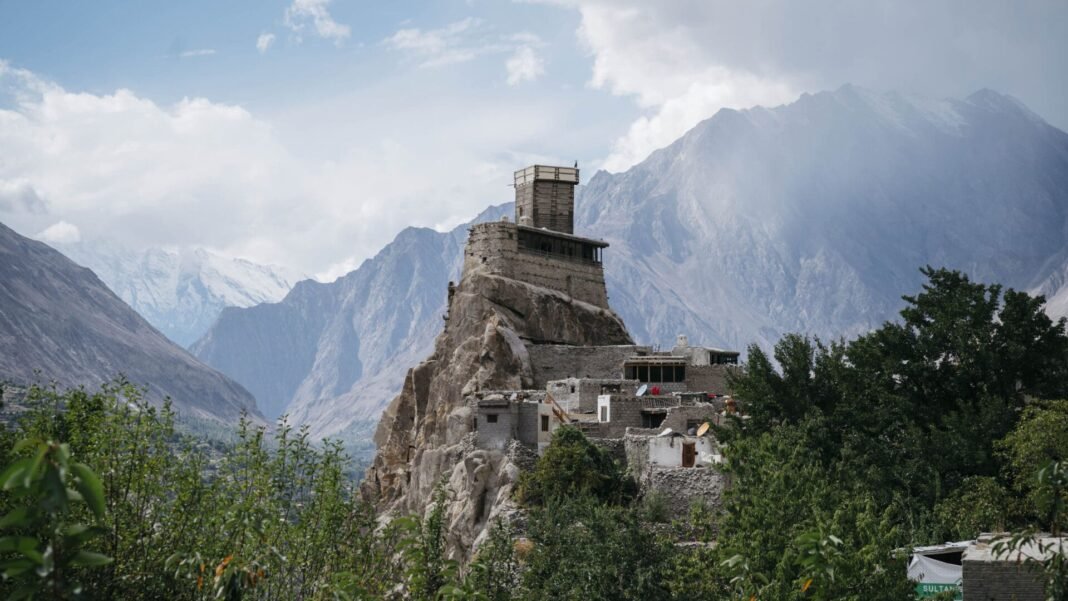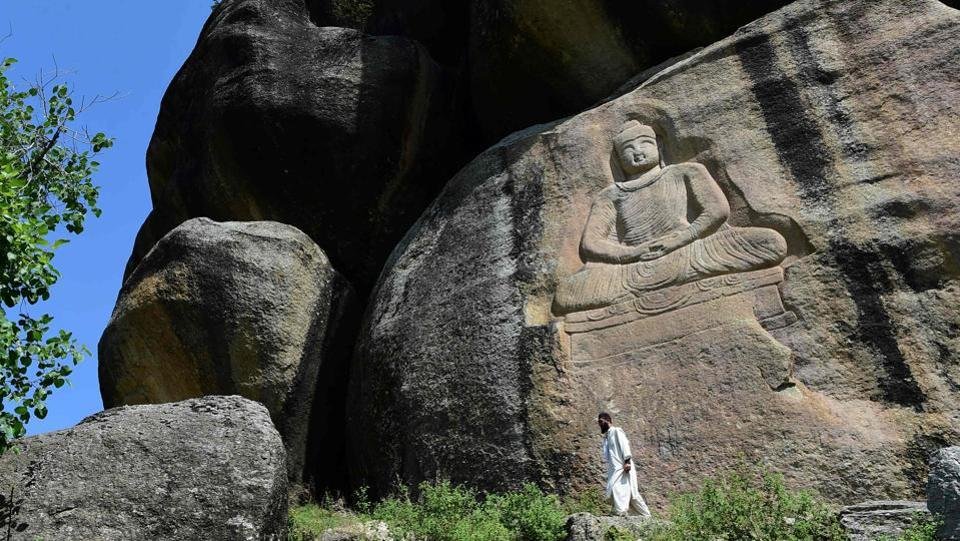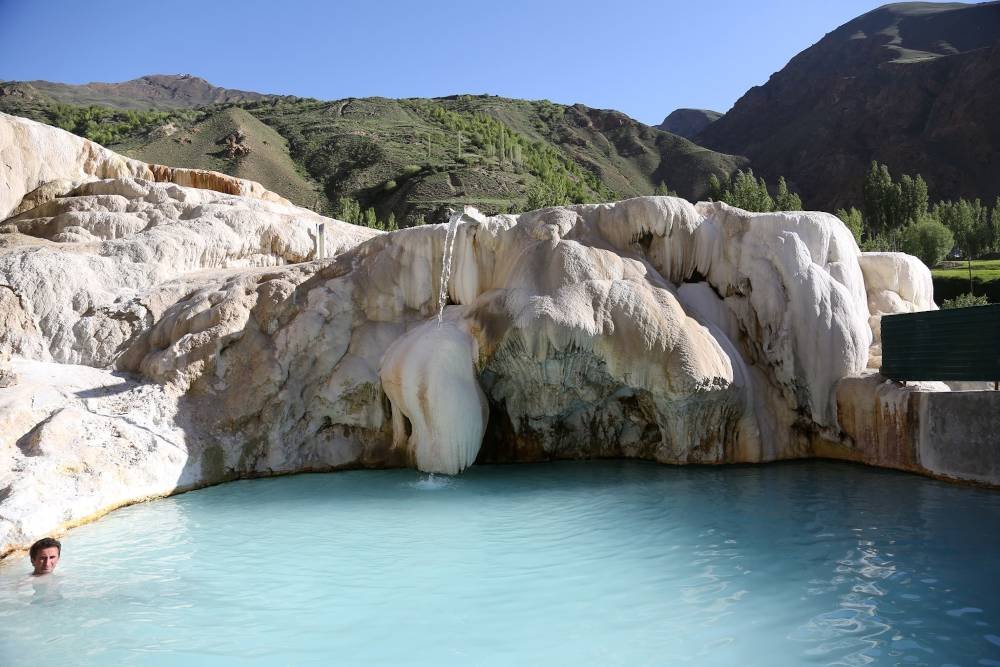
Imagine a valley so far into the mountains that it touches the border of Afghanistan, where snow-fed rivers run ice cold past orchards — and where, impossibly, water boils straight out of the earth. That is Garam Chashma, the “hot spring” of Chitral, and it is one of the most unusual places you will ever visit in Pakistan. If you are choosing between the country’s mountain destinations, this quiet corner of the Hindu Kush deserves a serious look: it combines a genuine natural wonder, deep mountain culture, and the kind of peaceful valley scenery that makes you slow down and breathe.
This Garam Chashma travel guide covers everything you need to decide whether the trip is for you: why the spring is famous, the valley’s history, what to do when you get there, how to reach it from Islamabad, Lahore, or Karachi, where to stay, what to eat, and the best months to plan around.
Quick Facts
- Location: Lotkoh Valley, Chitral District, Khyber Pakhtunkhwa — Pakistan’s far northwest, near the Afghan border
- Altitude: Around 2,300–2,550 metres (7,500–8,400 feet); the spring itself sits lower in a gorge
- Famous For: Natural sulphur hot spring with near-boiling water, brown trout fishing, woolen patti cloth, and mountain scenery
- Nearest City: Chitral town, about 45 km to the southeast
- Accessibility: Jeep road from Chitral town (2.5–4 hours); no air link to the valley itself
- Known Landmarks: The Garam Chashma hot spring, the Lotkoh River, Dorah Pass (toward Afghanistan)
- Best For: Wellness travelers, anglers, culture lovers, photographers, and anyone seeking a peaceful mountain escape
Why Visit Garam Chashma
Garam Chashma is not the kind of place you stumble upon by accident — you come here because you heard about it and decided it was worth the effort. And it is. The hot spring is the headline: water gushing from sulphur-rich rock at temperatures so high that locals say it can boil an egg in minutes. The spring is described in geological writing as the warmest in the westward extension of the Himalayan Geothermal Belt, which means you are standing at a genuine geological rarity. Visitors lower themselves into bathhouses where the scalding water is mixed with cool spring water, and step out feeling the kind of deep warmth that mountain people have trusted for generations. People travel from across Pakistan believing the mineral-rich water helps with skin conditions, rheumatism, gout, and chronic headaches — and local accounts even say that doctors in Islamabad and Peshawar have sent patients here.
But the spring is only half the story. The Lotkoh Valley itself is a green, orchard-filled world wedged into the Hindu Kush, with the Lotkoh River running through it and snow-capped peaks standing guard on every side. The air smells of apricot and mulberry trees, the bazaar feels like something out of an older century, and the pace of life is unhurried in the best possible way. For travelers tired of crowded tourist circuits, Garam Chashma offers something increasingly rare: a destination that has not been packaged and polished for mass tourism.
It is also a place with real cultural depth. This is Khowar-speaking Chitral, home to a warm Ismaili Muslim community, skilled weavers, and traditions shaped by centuries of trade with Badakhshan across the Dorah Pass. A visit here is as much about the people — the weavers making Chitrali topis, the fishermen casting for brown trout, the families who have bathed in the spring for generations — as it is about the landscape. If your idea of a perfect trip mixes natural wonder, living culture, and genuine quiet, Garam Chashma will reward you.
History of Garam Chashma
The recorded history of Garam Chashma is really the history of Chitral and the Hindu Kush trade routes. This region has been inhabited for thousands of years, sitting at the meeting point of Persian, Central Asian, and South Asian influences. The valley’s position near the Dorah Pass — a 4,554-metre (14,940-foot) crossing into Badakhshan in Afghanistan — made it a natural corridor for caravans carrying goods between the subcontinent and Central Asia. For generations, traders from Badakhshan brought pelts, carpets, rugs, precious stones, and dry fruits into the Garam Chashma bazaar on mule and horse caravans, returning laden with wheat, cloth, blankets, and supplies.
Politically, the wider Chitral region was for centuries a princely state ruled by the Mehtars of Chitral. The state acceded to Pakistan in 1947 and was fully merged into the country in 1969, after which the valleys opened up more to travelers from the rest of Pakistan. Garam Chashma town itself grew around the spring and the bazaar. During the years of the Afghan conflict against the Soviets, the town took on strategic importance as a route for supplies moving toward the border; later, border closures ended the old caravan trade, and the once-jam-packed bazaar quieted down. Today it is remembered by older locals as a busier, more cosmopolitan place than the sleepy market you see now.
The spring, meanwhile, has drawn people for as long as anyone can remember — long before wellness tourism existed as a concept. The tradition of taking the mineral waters echoes the old spa cultures of the world, and in the Lotkoh Valley it never faded. The government later built proper bathhouses around the spring for visitors, formalizing what had always been a community practice. In recent years the valley has also attracted attention as a potential site for hydel power generation, a sign of how the wider world is slowly rediscovering this remote corner.
Top Things to Do in Garam Chashma
Bathe in the Hot Sulphur Spring
This is the reason most people make the journey, and it should be the first thing on your list. The spring water emerges from underground sulphur deposits at near-boiling temperature — far too hot to touch directly — so public bathhouses have been built where it is mixed with cooler water to a comfortable bathing temperature. Visitors typically soak for five to ten minutes, then rest in a warm room for ten to thirty minutes afterward, since stepping straight out into the mountain air is not advised. Separate bathing arrangements are commonly available for men and women. The peak bathing season runs from around March onward for a couple of months, when patients and wellness travelers arrive in the greatest numbers, though the spring flows hot all year round.
Try the Hot Spring Pool
One of the valley’s hotels has built a large swimming pool fed directly with hot spring water, offering a more relaxed, social way to experience the mineral waters. It is a favorite with families and groups who want the experience without the intensity of the traditional bathhouses. A modest entry fee applies. Floating in steaming water while snow-capped Hindu Kush peaks stand around you is the kind of memory that stays with a traveler for years.
Fish for Brown Trout in the Lotkoh River
The Lotkoh River, which runs the length of the valley, is known as one of Chitral’s best trout streams, home to the brown trout that draws anglers from across the country. Fishing is permitted from April to September, and anglers need a permit from the local fisheries office, which sits conveniently on the road before the village. Even if you have never fished before, hiring a local guide for a morning on the river is a gentle, scenic way to spend a day — and the riverside spots near the village are beautiful whether you catch anything or not.
Explore the Old Bazaar
Garam Chashma’s small bazaar is a living relic of the old caravan days. Wander its lanes and you will find shops selling local woolen goods, dry fruits, and everyday mountain necessities, alongside tea stalls where you can sit with a cup of doodh patti and watch valley life go by. Ask the shopkeepers about the days when Badakhshani caravans filled the market, and you will hear stories that no guidebook contains.
Visit Khonza Uts, the Princess of Springs
On the road up the valley you will pass a roadside cold spring known locally as Khonza Uts, the “Princess of Springs.” Its water is ice-cold and considered good for health — a delightful contrast to the hot spring waiting at the end of the journey. Stop, fill a bottle, and enjoy one of the simplest pleasures of the valley.
Take Short Hikes in the Surrounding Hills
The hills around Garam Chashma offer a number of short walks and day hikes with big rewards: panoramic views over the valley, orchards and terraced fields, and glimpses of the high Hindu Kush. The area around the Owir Pass route and the upper valley villages is particularly scenic. Wildlife watchers should keep an eye out — the region is known as a spot for markhor sightings.
Famous Places In and Around Garam Chashma
- The Sulphur Spring bathhouses — the valley’s namesake and main attraction
- Lotkoh River — trout fishing and riverside scenery
- Dorah Pass (4,554 m) — historic crossing into Afghanistan’s Badakhshan, a trekking route for the very fit
- Khonza Uts — the famous cold spring on the valley road
- Garam Chashma bazaar — old caravan-era market with local crafts
- Chitral town (45 km) — Chitral Fort and the town bazaar make an easy combined trip
- Chitral Gol National Park — markhor and mountain scenery, reachable on the Chitral side
- Kalash Valleys — the famous Kalash valleys of Bumburet, Rumbur, and Birir lie elsewhere in Chitral district for a longer itinerary
How to Reach Garam Chashma
Getting to Garam Chashma is part of the adventure. There is no airport in the valley, so every journey ends with a mountain road — and the last 45 kilometres from Chitral town are the most memorable stretch of all.
From Islamabad: The road journey to Chitral town runs via the Lowari Tunnel (the route through Dir), covering roughly 400–470 km and taking about 10–12 hours depending on traffic and road conditions. From Chitral town, a jeep or sturdy 4×4 covers the 45 km to Garam Chashma in roughly 2.5 to 4 hours — the road is narrow, winding, and in places rough, with sections prone to landslides after rain. Hiring a local jeep in Chitral town is the standard and safest option.
From Lahore: Drive or take the motorway to Islamabad/Rawalpindi first (about 4–5 hours), then follow the Islamabad–Chitral route above. The full journey is best split over two days, with an overnight stop in Islamabad or Dir.
From Karachi: Fly to Islamabad (about 2 hours), then continue by road to Chitral as above. Some travelers fly Karachi to Peshawar and drive up through Dir. Occasional PIA flights connect Peshawar with Chitral’s small airport, though schedules are weather-dependent and unreliable — plan for the road.
Nearest airport: Chitral Airport, about 45 km from Garam Chashma, with infrequent flights. In practice, most visitors arrive by road.
Route Details
- Islamabad → Lowari Tunnel → Dir → Chitral town: roughly 10–12 hours by car or coaster. The Lowari Tunnel stays open year-round and has transformed winter access to Chitral.
- Chitral town → Garam Chashma: head northwest along the Lotkoh River. The jeep track passes through villages including Shoghore, climbing steadily into the valley. Allow 2.5–4 hours for the 45 km.
- Transport options: private car (only if high-clearance and the driver is experienced on mountain roads), hired 4×4 jeep from Chitral town (recommended), or a tour operator’s van. Public vans run the route but are cramped and slow.
- Road conditions by season: the Chitral–Garam Chashma road is most reliable from April to October. Winter brings snow and ice; the route can close temporarily after heavy snowfall or landslides, and floods have historically washed out sections of the track.
Where to Stay in Garam Chashma
Accommodation in Garam Chashma is simple and limited — this is part of its charm, but plan accordingly. The valley has a handful of basic hotels, guesthouses, and tea-house lodgings clustered near the town and the spring, offering clean rooms, home-style food, and warm hospitality rather than luxury. The best-known hotel in the valley sits near the bazaar and is the only one with proper amenities including a restaurant and the famous hot spring swimming pool; its rooms are comfortable by local standards and it is the natural first choice for most visitors.
Budget travelers will find very basic guesthouses and rooms above tea stalls at modest rates — fine for a night or two if your expectations are set for mountain simplicity. Many visitors actually prefer to base themselves in Chitral town, where mid-range hotels are more numerous and comfortable, and visit Garam Chashma as a long day trip (leaving early, returning by evening). This works well if you only want the spring experience and the valley scenery.
For a different experience, camping is possible in the upper valley with your own gear, and local families sometimes host guests — ask around the bazaar. Whatever you choose, book ahead during the March–May bathing season, when patient-visitors fill the valley’s limited rooms. Carry your own toiletries, a warm sleeping layer, and a torch; power supply in the valley can be intermittent.
Where to Eat: Local Foods of Garam Chashma
Food in Garam Chashma is hearty mountain fare, and eating here is a window into Chitrali culture. The valley’s orchards produce excellent fruit — cherries in season, sweet pomegranates, apricots, mulberries, and walnuts — and you should buy fresh and dried fruit from the bazaar as both snacks and souvenirs.
The signature local dishes of Chitral include shoshp, a comforting wheat-noodle dish; zholai, a traditional wheat porridge-like preparation; ghalmandi, a layered flatbread often served with local cheese; kalli, a wheat-and-meat dish; and pandir muzhi, a tangy fermented cheese preparation. River trout, when in season and caught legally, is grilled simply and served fresh — the Lotkoh’s brown trout has a well-earned reputation. Meat dishes, lentils, and rice round out the typical hotel menus, and the ubiquitous doodh patti (milky tea) is the social drink of the valley.
There are no food streets here in the city sense — the bazaar’s small restaurants and hotel dining rooms serve straightforward, filling meals at very reasonable prices. A full day’s food for a budget traveler costs little; even the better hotel restaurant is affordable by city standards. If you have dietary restrictions, mention them clearly, as menus are short and kitchens are small. Carry some snacks for the road journey, as there is little between Chitral town and the valley.
Weather in Garam Chashma
Garam Chashma’s weather is classic high Hindu Kush: short, pleasant summers; long, snowy winters; and the kind of crisp mountain air that makes everything feel vivid. Because the valley floor sits around 2,300–2,550 metres, temperatures run noticeably cooler than Chitral town, and nights are cold even in summer. The following ranges are approximate for the valley:
| Season | Temperature Range | Conditions |
|---|---|---|
| Winter (Dec–Feb) | -10°C to 5°C | Snow common; valley turns white, road may close temporarily; spring steams dramatically in the cold air |
| Spring (Mar–May) | 5°C to 20°C | Orchards blossom; peak bathing season begins; melting snow can make the road muddy |
| Summer (Jun–Aug) | 15°C to 30°C | Warm days, cool nights; best for hiking, fishing, and sightseeing; occasional rain |
| Autumn (Sep–Nov) | 5°C to 20°C | Clear skies, golden orchards; harvest season; nights turn cold by late October |
Language and Culture of Garam Chashma
The valley’s official and everyday language is Khowar, the language of Chitral, spoken by the Kho people. In the upper reaches of the valley, around villages like Parabiak, you will also hear Yadgha, an ancient and rare language spoken in only a handful of villages — a linguistic treasure most visitors never get to encounter. Urdu is widely understood in the bazaar and hotels, and younger people often speak some English.
The majority of the valley’s roughly 50,000 residents follow Ismaili Shi’ite Islam, with deep devotion to the Aga Khan — a tradition that shapes the valley’s famously peaceful, community-minded, and education-valuing culture. Visitors consistently remark on the warmth and courtesy of the local people. As a guest, dress modestly (covered shoulders and knees for everyone), ask before photographing people, and accept offers of tea — hospitality here is a point of pride. Friday is the congregational prayer day, so some shops may open later. Alcohol is not part of local culture and should not be brought or consumed openly.
Shopping in Garam Chashma
Shopping here means authentic mountain crafts, not malls — and there are no shopping malls anywhere near the valley, so come with the right expectations. The star purchase is the valley’s famous woolen patti cloth, the hand-woven fabric from which Chitrali topis (the distinctive flat woolen caps), shawls, waistcoats, and jackets are made. Buying a genuine Chitrali topi from the valley where the wool is woven is a souvenir with real meaning.
The bazaar also sells dried fruits — apricots, mulberries, walnuts, and almonds — at prices far below city rates, along with local honey when available. You may find simple gemstones and handicrafts from the old Badakhshani trade connections, though buy stones only from trusted sellers. Bargaining is gentle and expected; a smile goes further than a hard bargain. Carry cash — there are no card machines in the valley bazaar.
Local Events and Festivals
Garam Chashma itself does not host a major annual festival, but it sits in a district famous for some of Pakistan’s most distinctive celebrations, and timing a wider Chitral trip around them is worth considering. The Shandur Polo Festival, held each July at the Shandur Pass — the world’s highest polo ground — draws crowds from across Pakistan for three days of wild, traditional freestyle polo, folk music, and dancing. It is one of the country’s great cultural spectacles.
In the nearby Kalash valleys, the Kalash people celebrate their seasonal festivals: Uchaw in late spring and Choimus in December, with dancing, music, and ritual. These are in different valleys from Garam Chashma but are often combined into a longer Chitral itinerary. Locally, religious observances and weddings are the main community celebrations — if you are invited to one, consider it an honor.
Travel Tips for Garam Chashma
Packing Essentials
Layers are everything: a warm jacket, fleece, and thermals even in summer, because valley nights are cold and the spring area is steamy then chilly. Bring sturdy walking shoes, a swimsuit and towel for the baths, sunscreen and sunglasses (mountain sun is fierce), a reusable water bottle, basic medicines, and a power bank — electricity can be intermittent. A small daypack serves for hikes and the bazaar.
Safety Tips
Garam Chashma is considered safe and welcoming for visitors, including families and women travelers, thanks to the valley’s peaceful Ismaili community. The real risks are on the road: travel the Chitral–Garam Chashma track only in daylight, in a well-maintained 4×4 with an experienced local driver, and check conditions after rain. At the spring itself, never touch the source water directly — it is near boiling. Bathe only in the mixed-water bathhouses, limit soaks to the advised few minutes, and rest afterward as locals recommend.
Money & Connectivity
Bring all the cash you will need from Chitral town or earlier — there are no ATMs in the valley and no card acceptance. Mobile signals are patchy; coverage exists in the town area on major networks but drops in the upper valley and along the road. Download offline maps before you leave Chitral town, and let someone know your plans.
Best Time to Visit Garam Chashma
Spring (March to May) — The Healing Season
This is the classic Garam Chashma season. The traditional bathing season peaks from March onward, orchards burst into blossom, and the valley shakes off winter. Days are mild, the spring contrasts beautifully with the crisp air, and the valley is at its liveliest. Book accommodation ahead.
Summer (June to August) — The Explorer’s Season
Warm days and cool nights make summer ideal for hiking, trout fishing (permit season runs April–September), photography, and simply enjoying the valley at its greenest. Cherries and summer fruits are abundant. This is the best time for families and for combining Garam Chashma with wider Chitral travel.
Autumn (September to November) — The Quiet Season
Clear skies, golden foliage, and harvest time. The crowds thin out, prices are at their lowest, and the light is magnificent for photography. Late autumn nights get very cold, so pack accordingly.
Winter (December to February) — For the Hardy
Snow blankets the valley and the hot spring steams against the frozen landscape — magical, but only for well-prepared travelers. The road can close temporarily, many guesthouses shut, and temperatures drop well below freezing. Check conditions carefully before attempting a winter trip.
Final Thoughts
Garam Chashma is not trying to be the next big tourist hotspot, and that is precisely its appeal. It is a working mountain valley with a genuine wonder at its heart — water hot enough to scald, rising from the earth in one of the coldest landscapes in Pakistan — wrapped in orchards, trout streams, and a culture of remarkable warmth. The journey is long and the road is rough, but that is the filter that keeps the valley authentic.
If you are choosing where to spend your mountain days, choose Garam Chashma when you want more than scenery: when you want to soak in healing waters as locals have for generations, eat trout by a glacial river, buy a topi from the weaver who made it, and fall asleep to the sound of the Lotkoh. Pack warmly, bring cash, hire the jeep — and go. For more ideas across the country’s northern valleys, browse our Explore Pakistan collection, or pair this trip with the Chitral travel guide for the wider district.
FAQs
Where is Garam Chashma located?
Garam Chashma is a valley town in the Lotkoh Valley of Chitral District, Khyber Pakhtunkhwa, about 45 km northwest of Chitral town, close to the border with Afghanistan’s Badakhshan province.
What is Garam Chashma famous for?
Its natural sulphur hot spring, whose water emerges at near-boiling temperature and is believed to help with skin diseases, rheumatism, gout, and chronic headaches. The valley is also known for brown trout fishing, woolen patti cloth, and Hindu Kush scenery.
What is the best time to visit Garam Chashma?
March to May is the traditional peak season for the hot spring baths; June to August is best for hiking, fishing, and family travel; September to November offers quiet, clear autumn days.
How do I reach Garam Chashma from Islamabad?
Drive to Chitral town via the Lowari Tunnel (about 10–12 hours), then take a hired 4×4 jeep for the 45 km mountain road to Garam Chashma (2.5–4 hours). There is no airport in the valley.
Is Garam Chashma safe for tourists and families?
Yes. The valley has a peaceful Ismaili community and a strong tradition of hospitality, and it is considered welcoming for families and women travelers. Take normal mountain-travel precautions, especially on the road.
Where can I stay in Garam Chashma?
Options are simple: a handful of basic hotels and guesthouses near the town and spring (the best-known hotel has a hot spring pool and restaurant), or base yourself in Chitral town and visit on a day trip.
What food is Garam Chashma known for?
Chitrali mountain dishes like shoshp, zholai, ghalmandi, and pandir muzhi, fresh river trout in season, orchard fruits (cherries, pomegranates, apricots), dried fruits, and walnuts from the bazaar.
Can I fish in the Lotkoh River?
Yes — the river is famous for brown trout. Fishing is allowed from April to September with a permit from the local fisheries office on the road into the valley.