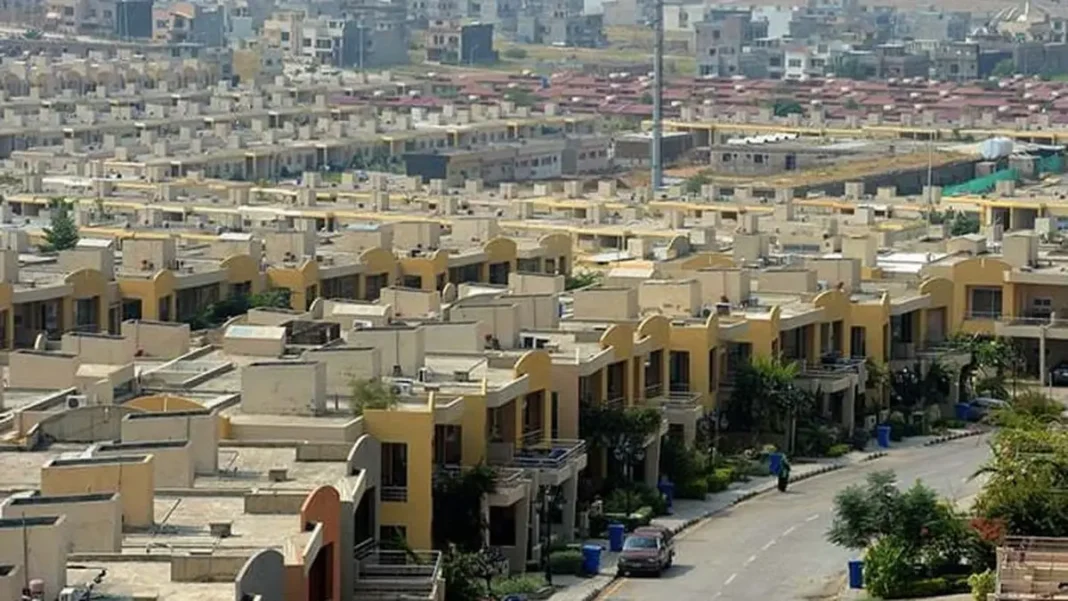
Government Houses Rent Defaulters Face Eviction
Government houses rent defaulters across Pakistan now face the loss of their allotments. A total of 7,973 federal employees living in government residences have been identified as rent defaulters, and the Estate Office has decided to cancel their house allotments if they do not pay their dues.
The figures come from documents cited in a private television report, carried by ProPakistani on Monday, November 2, 2026. Notices have already been issued to the employees concerned, according to the report. The move is aimed at recovering outstanding rent for government houses.
Government houses rent defaulters: where the cases sit
Karachi accounts for the largest share by far. The city has 5,317 employees who have not paid rent for government residences. Islamabad follows with 2,169, then Lahore with 404, Peshawar with 57, and Quetta with 26.
Those city figures add up exactly to the national total of 7,973. That internal check matters, because it lets readers test the report’s own numbers. Karachi alone accounts for about two in every three defaulters in the list, which explains why the recovery drive will land hardest there.
The pattern also says something about where the federal housing stock sits. Karachi and Islamabad together account for 7,486 of the 7,973 cases. Lahore, Peshawar, and Quetta together account for fewer than 500. The problem, on these figures, is concentrated in the two largest centres of federal employment and housing.
What cancellation would mean
Under the decision, an employee who fails to pay rent for a government residence will have the house allotment cancelled. That is a housing consequence, not a job consequence. The report does not say that defaulters will lose their jobs, and readers should not read it that way.
The Estate Office has decided to take strict measures to recover the dues. Notices have gone out first, which gives defaulters a chance to pay before allotments are cancelled. The report does not give a deadline for payment, and it does not state the total amount owed. Those two gaps matter, and they should be filled before any individual case is judged.
It is also worth noting what the report does not establish. It rests on documents cited in a private television report, not on a public statement from the Estate Office itself. The figures may be correct, and they add up cleanly across cities, but they have not been confirmed in an official release. That distinction should stay attached to the story until the Estate Office speaks on the record.
Why the drive matters for public housing
Government houses exist so that federal staff posted away from home, or in high-cost cities, have somewhere to live at a controlled rent. When rent goes unpaid at this scale, the system loses money it needs to maintain those houses and to offer them to others on waiting lists.
Recovery also raises a fairness question. Staff who pay their rent on time subsidise, in effect, a system in which thousands do not. Cancellation is a blunt tool, but it is the tool the Estate Office has chosen after notices. Whether it recovers the money, or simply frees houses for reallotment, will show in how many defaulters pay after receiving notice.
Frequently asked questions
Who are the government houses rent defaulters?
They are 7,973 federal employees living in government residences across Pakistan who have been identified as defaulters on rent payments, according to documents cited in a private television report.
Which city has the most defaulters?
Karachi, with 5,317 cases, followed by Islamabad with 2,169, Lahore with 404, Peshawar with 57, and Quetta with 26. The city figures add up to the national total of 7,973.
Will defaulters lose their allotments?
Yes, if they do not pay. The Estate Office has decided that house allotments will be cancelled for employees who fail to pay rent for government residences. Notices have already been issued.
Does this mean defaulters lose their jobs?
No. The report speaks only of house allotments being cancelled. It does not say anything about employment, and no such conclusion should be drawn from it.
How much rent is owed in total, and by when must it be paid?
The report does not state a total amount owed or a payment deadline. Those details have not been published, and they should be confirmed from the Estate Office before any individual case is assessed.