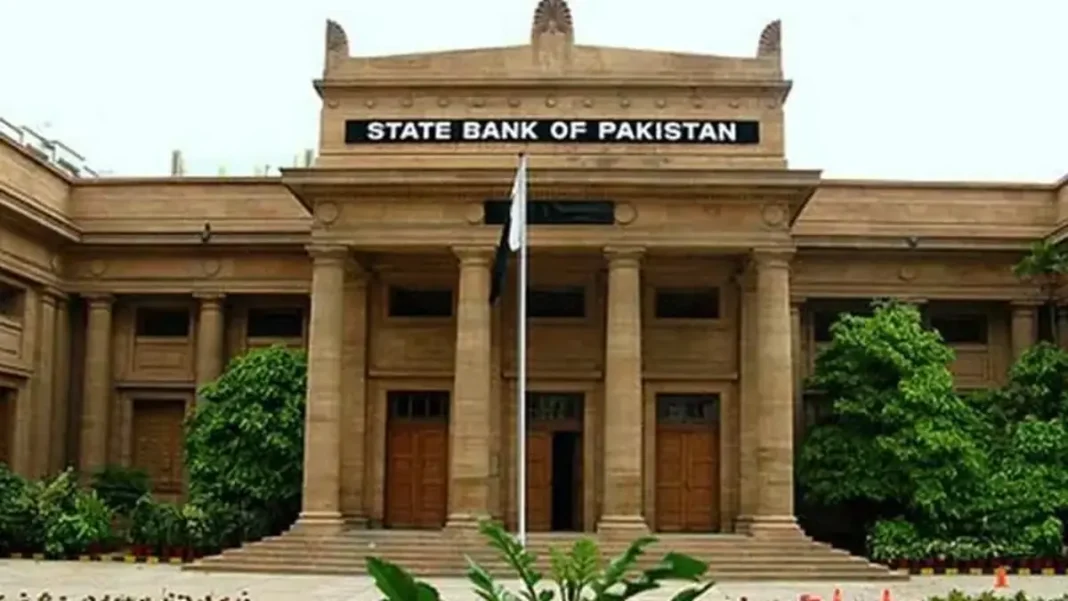
Gulf Investors Pour $188 Million Into Pakistan’s Domestic Bonds in Nine Days
Foreign investors put $188 million into Pakistan domestic bonds in the first nine days of October, signalling growing overseas interest and opening another source of dollar inflows for the government, Dawn reported, citing State Bank of Pakistan data.
Treasury bills attracted $78 million during the period, while longer-term Pakistan Investment Bonds (PIBs) drew $110 million. Investors from Gulf countries were taking a particular interest, especially in PIBs.
Where the money came from
The United Arab Emirates led the inflows, investing $50 million in T-bills and $80 million in PIBs during the nine-day window. Bahrain put $30 million into PIBs and $10 million into T-bills.
Since the start of the current fiscal year, total foreign investment in domestic government securities has reached $656 million, including $404 million in PIBs and $252 million in T-bills. Outflows during the nine-day period stood at just $38.16 million, far below the $188 million inflow.
Pakistan has long sought greater foreign participation in its government securities, but most previous inflows were limited to short-term instruments and stayed modest. The shift towards longer-term PIBs marks a change in that pattern.
Pakistan domestic bonds in a wider dollar picture
The bond inflows land alongside other, larger sources of foreign exchange. Pakistan received record remittances of $41.5 billion in FY26, and the State Bank’s reserves edged up to $26.8 billion earlier this month. Domestic credit is also expanding: car financing climbed to Rs407 billion in September despite a slump in vehicle sales.
Still, the central bank faces headwinds. Export growth has stayed weak, widening the trade deficit and making it harder to sustain a current account surplus. The SBP has kept monetary policy tight to hit its inflation target, and high policy rates are precisely what make T-bills and PIBs attractive to yield-hungry investors. Monthly remittance flows remain the bedrock of the external account, but bond inflows of this scale would add a useful second leg.
What the experts say
Financial experts offered differing views on the rising inflows, particularly from the Gulf.
Some believe Pakistanis living and doing business in the Gulf may be shifting part of their liquid assets home, parking money in high-yield and risk-free government securities. Others said returns on T-bills and PIBs had become increasingly attractive amid regional economic uncertainty caused by the continuing war.
Both readings point to the same near-term effect: fresh dollars for an economy that needs them. The question is durability. Portfolio flows can reverse quickly if regional risk sentiment shifts or if rate expectations change. For now, though, the numbers favour Pakistan — $188 million in, $38 million out, in just nine days.
What happens next
The SBP will publish October’s full-month figures in the coming weeks. If the pace holds, Pakistan could be looking at one of the strongest quarters for foreign bond investment in recent years, easing pressure on reserves as the government navigates debt repayments and a soft export outlook.
How much did foreigners invest in Pakistan’s bonds in October?
$188 million in the first nine days: $78 million in treasury bills and $110 million in Pakistan Investment Bonds.
Which country invested the most?
The UAE, with $130 million ($50 million in T-bills and $80 million in PIBs), followed by Bahrain with $40 million.
What is the fiscal-year total so far?
$656 million in foreign investment in domestic government securities, split into $404 million in PIBs and $252 million in T-bills.