Government Moves to Curb LPG Hoarding as Winter Nears
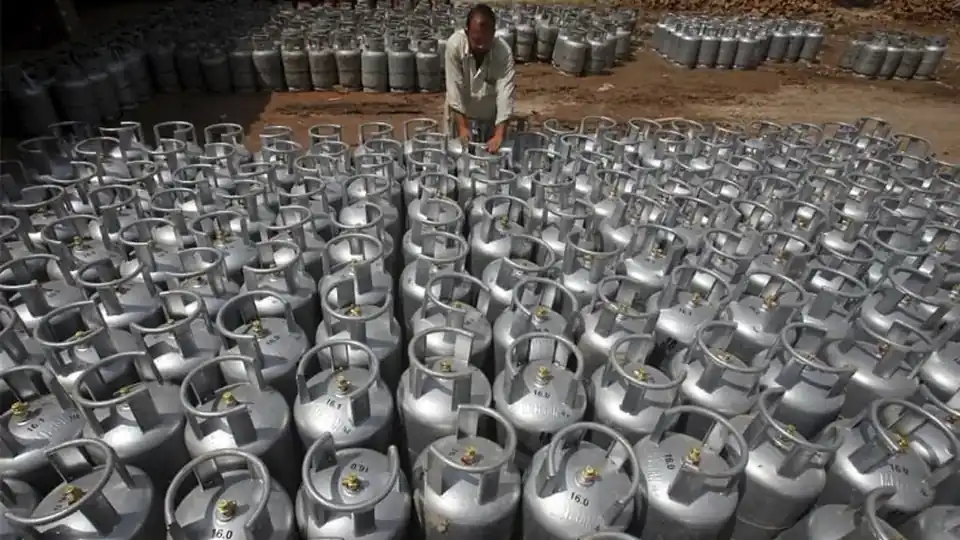
The government has taken notice of alleged LPG hoarding in Pakistan aimed at creating an artificial shortage ahead of winter, and directed all relevant federal and provincial agencies to take coordinated action.
The Oil and Gas Regulatory Authority has also directed provincial governments and federal authorities handling port operations and clearance to take swift corrective measures. The action followed reports that LPG was being sold in the market at almost 50 per cent higher rates, at Rs5,000 per 11.8kg domestic cylinder, against the Rs3,296 notified by Ogra.
LPG hoarding in Pakistan: what triggered the crackdown
The Petroleum Division wrote to the Ogra chairman and the director general of LPG, flagging a worrying pattern. “It has been reported through various sources that, although LPG importers are importing LPG as per indigenous demand, the imported volumes do not appear to be regularly lifted from import terminals, raising concerns regarding possible hoarding and the creation of an artificial shortage,” the letter said.
The division said this created an artificial shortage and pushed up prices, especially in hilly, remote and off-grid areas, where consumers rely heavily on LPG.
It asked Ogra to take measures to prevent hoarding and ensure regular lifting and supply of LPG to demand centres, along with enforcement action so consumers get LPG at notified prices, particularly in hilly, remote and off-grid areas.
The Rs3,296 versus Rs5,000 gap
The price gap at the centre of the crackdown is stark. Our earlier coverage reported that Ogra raised LPG by Rs20.68 per kg for October, taking the domestic cylinder to Rs3,296. Yet consumers in the open market are being charged around Rs5,000 for the same 11.8kg cylinder.
That difference is what the government now says points to hoarding rather than genuine scarcity. With winter approaching, demand in northern and remote regions will only climb, and families without piped gas have few alternatives.
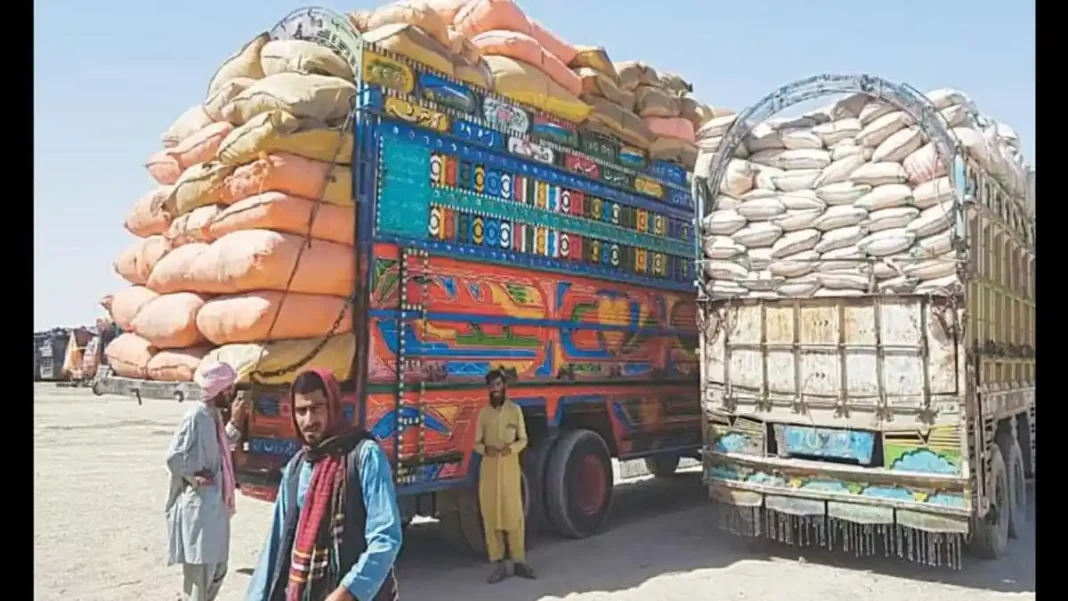
The concern is compounded by the halt in trade through the Taftan and Gabd-Rimdan corridors with Iran, where traders had already warned that LPG shortages could hit Karachi. If imports through that route stay frozen, the pressure on domestic supply will grow.
Push for a transparent local LPG market
Separately, the Petroleum Division said a transparent mechanism for disposing of locally produced LPG through a competitive process remained a government priority. It said this would ensure a level playing field for the industry and address market concentration, where locally produced LPG was concentrated among a few players.
The division said it had submitted measures to improve the market’s supply position, including disposing of locally produced LPG through a transparent, competitive process while ensuring availability for far-flung and hilly areas, in line with the LPG Policy 2016.
The proposed mechanism aims to promote fair competition, bring transparency to the allocation of locally produced LPG, and ensure upstream enterprises get a fair return. It is intended to give equitable opportunities to all market participants rather than letting the benefits stay concentrated among a limited number of players, the statement said.
It added that the process was hampered by litigation, but the matter was being pursued through the courts, and “the government reserves the right to exercise all available legal options in accordance with the law”.
The statement said the government was committed to measures that improve market efficiency and protect consumer interests. Ogra has been adjusting prices through the year; in April the regulator announced a 35pc LPG price hike.
The LPG move comes amid broader energy price pressure. Petrol recently rose to Rs398.96 per litre, and households are already absorbing higher fuel costs.
*Source: Dawn*
Why is the government acting against LPG hoarding?
The Petroleum Division found that imported LPG was not being regularly lifted from import terminals despite adequate imports, pointing to possible hoarding and an artificial shortage. Market prices of around Rs5,000 per cylinder are nearly 50 per cent above Ogra’s notified Rs3,296.
What has Ogra been asked to do?
The regulator has been directed to prevent hoarding, ensure regular lifting and supply of LPG to demand centres, and take enforcement action so consumers get LPG at notified prices, especially in hilly, remote and off-grid areas.
How will local LPG be sold more transparently?
The government wants locally produced LPG disposed of through a transparent, competitive process under the LPG Policy 2016, breaking the concentration of supply among a few players. The mechanism is currently held up by litigation in the courts.