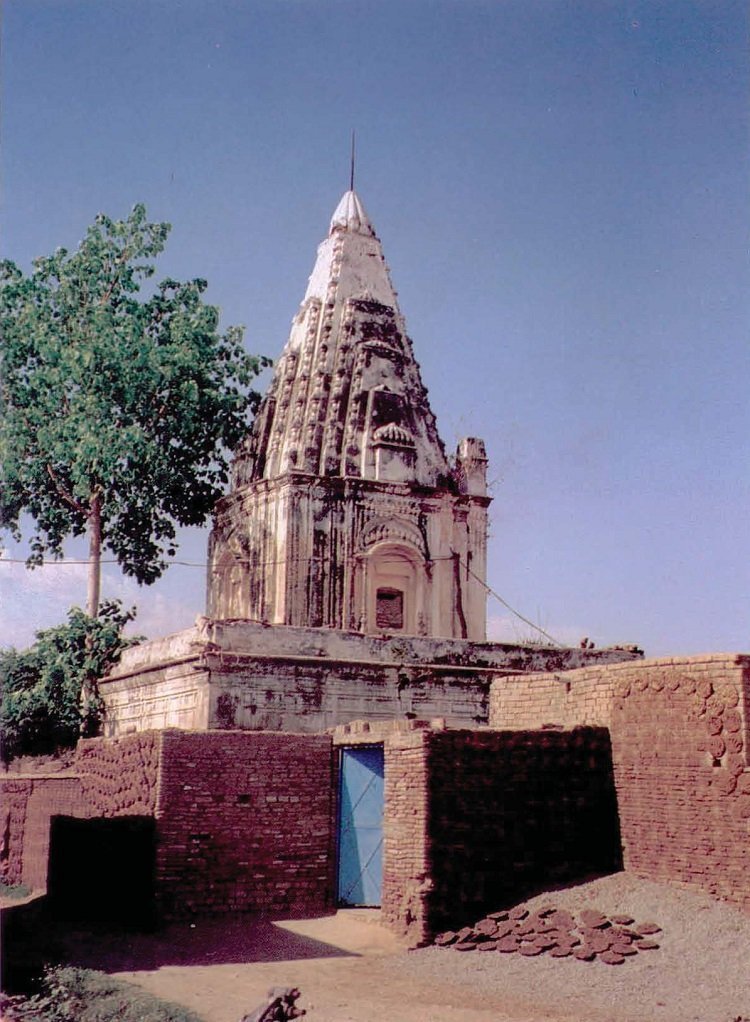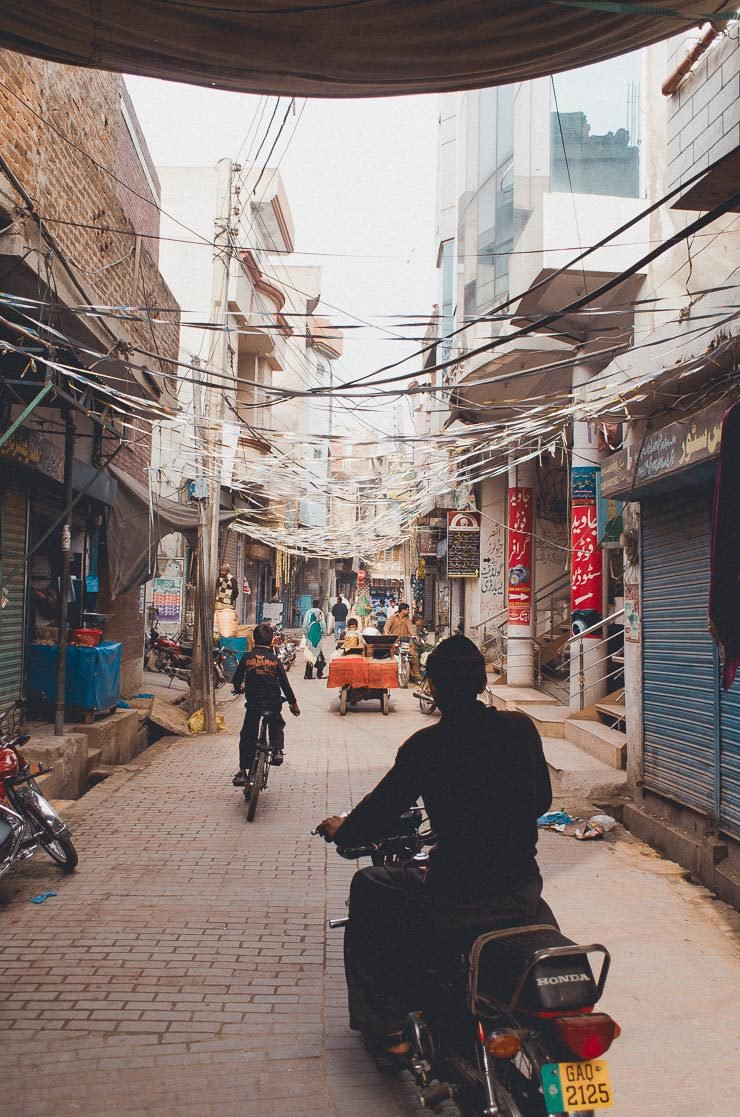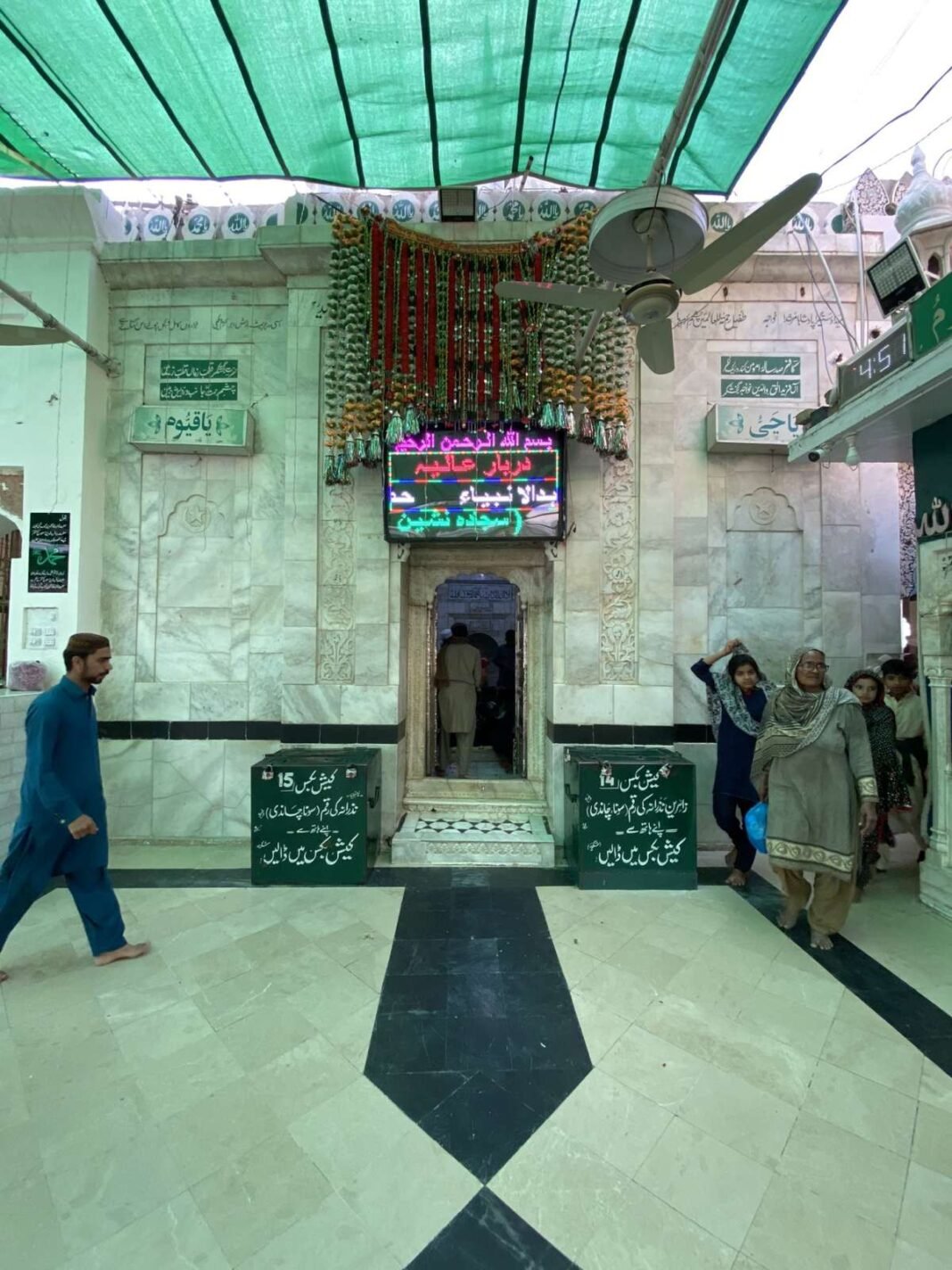
Pakpattan is one of those cities that hums with spiritual history. It is the city of Baba Fariduddin Ganjshakar, the great 13th-century Sufi saint whose verses found their way into the Sikh scripture itself. And here is the thread most travellers miss: Guru Nanak Dev Ji came to this city, stayed here, and met the Sufi tradition face to face — and the spot where he stayed became Gurdwara Nanaksar, Pakpattan, in a quarter of the old city called Samadhan.
This is a different kind of destination from the grand shrines. The gurdwara building itself is gone — demolished when Baba Farid Ganjshakar College rose on its site — but its tank survives as a relic, and the story survives intact. This Gurdwara Nanaksar Pakpattan travel guide is for the traveller who wants the full story: why this vanished shrine still matters, what to see in its place, how the Guru Nanak–Baba Farid connection shaped Punjab’s soul, and how to build a deeply rewarding day in Pakpattan around it.
Quick Facts
- Location: The Samadhan quarter on the outskirts of old Pakpattan city, Pakpattan district, Punjab, Pakistan — the site is now occupied by Baba Farid Ganjshakar College
- Altitude: Low Punjab plains (the district sits on flat agricultural land)
- Famous For: The spot where Guru Nanak stayed, kept by Udasi sadhus among countless samadhs; only the shrine’s tank survives today
- Nearest City: Sahiwal, about 45 km to the north; Pakpattan city itself is the immediate base
- Accessibility: Paved roads from Lahore (about 163 km), Sahiwal and Multan; nearest airports are Lahore (about 163 km) and Multan (about 220 km)
- Known Landmarks: The surviving tank at Baba Farid Ganjshakar College, the shrine of Baba Fariduddin Ganjshakar, the old city of Pakpattan (Ajodhan)
- Best For: Sikh heritage travellers, Sufi heritage lovers, history readers, and anyone tracing the Guru Nanak–Baba Farid connection
Why Visit Gurdwara Nanaksar, Pakpattan
Let us start with the honest question: why visit a shrine that no longer stands? Because in Pakpattan, the shrine is only half the story — the other half is the city around it, and that half is magnificent. This is the city where Baba Farid, the 12th–13th century Chishti saint, lived and taught; where Guru Nanak came and, according to Sikh tradition, collected the verses of Baba Farid from Baba Ibrahim (Farid Sani) — verses that Guru Arjan Dev Ji later included in the Guru Granth Sahib. When you stand in the Samadhan quarter and look at the surviving tank, you are standing at the physical point where two of the greatest spiritual traditions of Punjab touched each other.
The old heritage survey tells the shrine’s story with the precision of a field report. There used to be a shrine at the spot where Sat Guru Nanak Dev Ji had stayed, and its priests were Udasi sadhus. Countless samadhs — the memorial shrines of sadhus — stood all around the gurdwara, which is why the locality came to be called Samadhan. Thousands of ghumaon of land were endowed to the shrine. Then came Partition, and then the college: the gurdwara was housed in the new institution for a time, and when the college built its new building, the gurdwara was demolished — but its tank was saved as a relic. Ask at Baba Farid Ganjshakar College to see it; the staff know the history.
What elevates this visit from a footnote to a pilgrimage is everything else in Pakpattan. The shrine of Baba Farid draws devotees year-round and explodes with life during the urs. The old city — once called Ajodhan, a ferry point on the ancient trade route between Multan and Delhi — still has the bones of a medieval town. And a few kilometres out along the railway line stands Gurdwara Tibba Nanaksar Sahib, the shrine on the mound where the Guru Nanak–Farid meeting is commemorated (see our Gurdwara Nanaksar, Tibba Abhor travel guide). Together, they make Pakpattan one of the most spiritually layered day trips in Punjab.
This destination is perfect for travellers who read before they go — the kind who know that the best journeys are the ones where history, poetry and faith braid together. Come between November and March, when the plains are cool and the city’s shrines are at their most welcoming.
History of Gurdwara Nanaksar, Pakpattan
Pakpattan’s history runs deep. The city began as a village called Ajodhan, positioned at a ferry crossing over the Sutlej that made it a vital link on the ancient trade routes connecting Multan to Delhi. Its position on the flat plains also made it a corridor for invaders from Central Asia: it was captured by Sebüktegin in 977–78 CE and by Ibrahim Ghaznavi in 1079–80. The city was renamed Pakpattan — “the holy ferry” — after the great Sufi saint Baba Fariduddin Ganjshakar (1173–1266) made it his home; the name is said to have been used first by the saint himself.
Baba Farid is one of the giants of South Asian spirituality, a central figure of the Chishti order whose Punjabi verses — the shlokas — are among the earliest great poetry in the Punjabi language. When Guru Nanak travelled through this region, Sikh tradition holds that he met Sheikh Ibrahim, the spiritual heir of Baba Farid, at the village of Tibba Nanaksar near Pakpattan. It was here, the tradition says, that the Guru collected Farid’s verses — sacred words that travelled from a quiet Punjab village into the Guru Granth Sahib, where they are recited by millions to this day. A modest orange-coloured gurdwara, Tibba Sahib, still commemorates that encounter near Chak Datar Singh.
The Nanaksar shrine in Pakpattan city itself grew from the Guru’s stay in the town. The Udasi sadhus — the ascetic order founded by Guru Nanak’s son Sri Chand — became its custodians, and the forest of samadhs around it gave the quarter its name: Samadhan. The shrine held thousands of ghumaon of endowed land, marking it as an institution of real substance, not a wayside chapel.
After 1947, the Sikh community’s departure left the shrine without its sangat. The buildings were taken over for educational use, and eventually the new building of Baba Farid Ganjshakar College replaced the gurdwara entirely — all except the tank, deliberately preserved as a relic of what stood there. It is a bittersweet history, but an honest one, and it mirrors the fate of many Partition-era shrines across West Punjab. The tank remains; the story remains; and the city’s living Sufi tradition carries on a few streets away, as it has for eight centuries.
Top Things to Do in Gurdwara Nanaksar, Pakpattan
See the surviving tank at the college
Head to Baba Farid Ganjshakar College in the Samadhan quarter and ask to see the old tank — the one relic saved when the gurdwara was demolished. It is a quiet, reflective stop: stand at its edge and picture the shrine, the samadhs and the Udasi sadhus that the old survey describes. Visit outside class hours and ask permission at the office first.
Visit the shrine of Baba Fariduddin Ganjshakar
This is the beating heart of Pakpattan and one of the great Sufi shrines of South Asia. The complex is beautiful, the atmosphere is charged with devotion, and the famous Beheshti Darwaza (Gate of Paradise) opens during the urs. Even outside festival time, an hour here — listening to qawwali, watching the devotees — is unforgettable.
Drive out to Gurdwara Tibba Nanaksar Sahib
About 6 km from Pakpattan, near the railway line by Chak Datar Singh, stands the two-storey domed gurdwara on its ancient mound — the Tibba Sahib associated with the Guru Nanak–Sheikh Ibrahim meeting and the collection of Farid’s verses. The building is in poor condition and needs conservation, but its historical importance is immense. Go with a local guide, treat it as the fragile heritage it is, and do not enter unsafe sections.
Walk the old city of Ajodhan
Pakpattan’s old quarters still carry the layout of a medieval ferry town. Wander the bazaars, look for the old gates and havelis, and eat where the locals eat. The city’s age shows in its street plan more than in any single monument — give it an unhurried hour.
Famous Places In and Around Gurdwara Nanaksar, Pakpattan
- Shrine of Baba Fariduddin Ganjshakar — the great Sufi shrine at the centre of the city’s spiritual life
- Baba Farid Ganjshakar College — the college standing on the old Nanaksar shrine site, with the surviving tank
- Gurdwara Tibba Nanaksar Sahib — the domed shrine on the mound about 6 km out, tied to the Farid-verses tradition
- Old Ajodhan quarters — the medieval ferry-town core with bazaars and old havelis
- Sahiwal — 45 km north, the district capital and dairy capital of Punjab, a natural pairing for the trip
How to Reach Gurdwara Nanaksar, Pakpattan
Pakpattan is an easy drive on Punjab’s flat, well-maintained road network. The Samadhan quarter is on the edge of the old city — ask any local for Baba Farid Ganjshakar College and you are there.
- From Lahore: About 163 km southwest, roughly 3 hours by car via Okara and Depalpur. Frequent buses and vans run Lahore–Okara–Pakpattan; from the Pakpattan bus stand, a rickshaw reaches the college in minutes.
- From Islamabad: Roughly 7–8 hours via Lahore (about 470 km total) — best done with an overnight in Lahore or Sahiwal.
- From Karachi: A long haul by road; fly to Lahore or Multan and drive. Pakpattan has a railway station on the branch line, and trains from the main corridor connect through Sahiwal and Multan.
Nearest airport: Allama Iqbal International Airport, Lahore (about 163 km); Multan International Airport is about 220 km via Sahiwal. Road conditions: Good paved roads throughout; the Lahore–Okara–Depalpur–Pakpattan route is a standard highway run. Winter fog can slow early starts on the plains. Transport options: Private car is most convenient; public buses, vans and coasters are frequent and cheap; auto-rickshaws and tongas handle local hops in Pakpattan.
Route Details
- From Lahore, take the road south through Okara toward Depalpur (about 120 km).
- Continue from Depalpur to Pakpattan (about 44 km).
- In Pakpattan, head for the old city and ask for the Samadhan quarter / Baba Farid Ganjshakar College.
- At the college, ask the office to show you the old shrine tank.
- For Tibba Nanaksar Sahib, take the road toward the railway line and Chak Datar Singh, about 6 km from the city — a rickshaw or local guide is recommended.
Where to Stay in Gurdwara Nanaksar, Pakpattan
Pakpattan is a mid-sized shrine city with a decent spread of budget and mid-range hotels and guesthouses, many clustered near the shrine of Baba Farid and the main bazaar — they fill up during the urs, so book well ahead if your dates coincide. The hotels are simple and functional rather than luxurious: clean rooms, attached baths, and usually a restaurant or dhaba nearby. For more choice, Sahiwal (45 km, about an hour) has better mid-range options, and many travellers base there. Pilgrims visiting Baba Farid’s shrine will also find traditional musafir-khanas (travellers’ lodges) near the shrine complex. As with most shrine cities, weekends and religious occasions are the busy periods.
Where to Eat: Local Foods of Gurdwara Nanaksar, Pakpattan
Shrine cities in Punjab eat well, and Pakpattan is no exception. Around Baba Farid’s shrine you will find the full langar-adjacent economy: dhabas serving daal, sabzi, and fresh tandoori roti around the clock, sweet shops doing brisk business, and tea stalls on every corner. The regional staples apply — saag and makki di roti in winter, lassi and dahi from the area’s dairy farms, and slow-cooked desi murgh at the better dhabas. Pakpattan’s bazaars are known for traditional sweets; pick up patisa and barfi for the road. A hearty dhaba meal for two stays in the budget-friendly range, and the shrine-area eateries are used to feeding travellers at all hours. Carry water and snacks for the Tibba Sahib excursion — there is nothing to eat at the mound itself.
Weather in Gurdwara Nanaksar, Pakpattan
Pakpattan sits on the low, flat plains of southern central Punjab, so expect the classic pattern: hot summers, a humid monsoon, and cool, foggy winters. November to March is the comfortable window — and it covers both the urs season at Baba Farid’s shrine and the best weather for walking the old city.
| Season | Temperature Range | Conditions |
|---|---|---|
| Winter (Dec–Feb) | Around 6–20°C | Cool with morning fog; the best season for shrine visits |
| Spring (Mar–Apr) | Around 16–30°C | Pleasant; good for the old city and Tibba Sahib |
| Summer (May–Jul) | Around 36–45°C | Very hot and dry; sightsee only at dawn and dusk |
| Monsoon (Jul–Sep) | Around 28–38°C | Hot and humid with heavy rain spells |
| Autumn (Oct–Nov) | Around 18–30°C | Drying and clearing; an excellent shoulder season |
Language and Culture of Gurdwara Nanaksar, Pakpattan
Punjabi is the everyday language, with Urdu understood everywhere — the city’s Sufi shrines draw visitors from across Pakistan, so Urdu works fine. The culture here is deeply devotional: this is a city shaped by eight centuries of Sufism, and the rhythms of the shrine — qawwali, langar, the urs — set the town’s calendar. Visitors should dress modestly (cover shoulders and knees; women may want a headscarf for shrine visits), remove shoes at shrine complexes, and behave with quiet respect in devotional spaces. At the college, remember it is a working educational institution: ask permission, keep noise down, and do not disrupt classes. Photography is welcome in the bazaars but ask before photographing people, especially women.
Shopping in Gurdwara Nanaksar, Pakpattan
Pakpattan’s bazaars cater to pilgrims and locals rather than tourists, which makes them fun to browse: religious books and devotional items near the shrine, chadars and flowers for offerings, traditional cloth, khussas, and excellent sweets. The old city’s markets sell everyday Punjab goods at honest prices — brassware, cotton fabrics, and spices. There is no shopping mall in Pakpattan; the nearest modern retail is in Sahiwal. The best souvenirs here are edible: the city’s mithai, and perhaps a book on Baba Farid’s poetry from a shrine-area bookstall.
Local Events and Festivals
Pakpattan’s calendar is dominated by the urs of Baba Fariduddin Ganjshakar, one of the great Sufi festivals of South Asia, held annually in the Islamic month of Muharram — hundreds of thousands of devotees converge on the city, the Beheshti Darwaza is opened, and the whole town becomes a festival. For Sikh visitors, Guru Nanak Gurpurab in November is the most significant occasion at the Guru Nanak sites, and Baisakhi in April is the other major Sikh festival. If you are planning around the urs, book accommodation early — the city fills completely. For more festival-season journeys, see our Explore Pakistan collection.
Travel Tips for Gurdwara Nanaksar, Pakpattan
Packing Essentials
Modest clothing suitable for shrine visits, a headscarf, comfortable walking shoes for the old city, sun protection, and water. In winter, a warm layer for foggy mornings; in summer, the lightest clothes you own. Cash in small notes for rickshaws, offerings and bazaar shopping.
Safety Tips
Pakpattan is a well-trodden pilgrim city and generally safe for visitors, including families and foreign tourists. The usual rules apply: daylight hours for the Tibba Sahib mound trip, registered transport, minimal valuables, and respect for devotional spaces. During the urs, the crowds are enormous — keep children close and agree on meeting points.
Money & Connectivity
Banks and ATMs are available in Pakpattan city — withdraw before heading to the outlying sites. Mobile networks cover the city and the main roads well. Cash is essential: shrine-area shops, rickshaws and dhabas do not take cards.
Best Time to Visit Gurdwara Nanaksar, Pakpattan
Winter (November to March) — the best season
Cool, clear days are made for walking the old city, visiting the college tank, and driving out to Tibba Sahib. This window also covers Guru Nanak Gurpurab in November and the general pilgrim season at Baba Farid’s shrine.
Spring (March to April) — good
Warming but pleasant, with Baisakhi in April adding cultural colour. Mornings are ideal for outdoor sightseeing.
Summer (May to July) — avoid if possible
The plains bake toward 45°C. If you must come, plan shrine visits for early morning and late evening, and rest midday.
Monsoon and Autumn (July to October) — mixed
Humid monsoon months are uncomfortable; October dries out and makes a fine shoulder season before the winter crowds.
Final Thoughts
Gurdwara Nanaksar, Pakpattan teaches a traveller something important: a place does not need standing walls to matter. The tank at the college, the name Samadhan on the quarter, the verses of Farid in the Guru Granth Sahib, the orange dome on the mound at Tibba — these are the surviving threads of a story about what Punjab was at its most spiritually generous: a place where a Sufi saint’s poetry could become a Sikh Guru’s scripture.
Come for the story, stay for the city — the shrine of Baba Farid, the old Ajodhan bazaars, the qawwali drifting over the rooftops at dusk. Few day trips in Punjab give you this much soul per kilometre, and you can find more journeys like it in our heritage collection.
FAQs
Where is Gurdwara Nanaksar, Pakpattan located?
In the Samadhan quarter on the outskirts of old Pakpattan city — the site is now Baba Farid Ganjshakar College; only the shrine’s tank survives. Ask at the college to see it.
What is the best time to visit Gurdwara Nanaksar, Pakpattan?
November to March, when the weather is cool and clear and the shrine city is at its most active.
How do I reach Gurdwara Nanaksar, Pakpattan?
About 163 km (3 hours) from Lahore via Okara and Depalpur; 45 km from Sahiwal. The nearest airports are Lahore and Multan.
Is it safe for tourists and families?
Yes — Pakpattan is an established pilgrim city, welcoming to families. Use daylight hours for outlying sites like Tibba Sahib.
Is it suitable for families with children?
Yes. The shrine visits, old-city walk and bazaars make an engaging family day out; keep children close during the crowded urs.
Where can I stay near the gurdwara?
Pakpattan has budget and mid-range hotels near Baba Farid’s shrine; Sahiwal (45 km) offers more choice. Book early during the urs.
What local food should I try?
Shrine-area dhabas (daal, sabzi, tandoori roti), the city’s traditional sweets, and winter saag with makki di roti.
What makes this gurdwara unique?
It marks where Guru Nanak stayed in the city of Baba Farid — the meeting point of Sikh and Sufi Punjab. The building is gone, but its tank survives as a relic, and nearby Tibba Sahib commemorates where the Guru collected Farid’s verses for the Guru Granth Sahib.