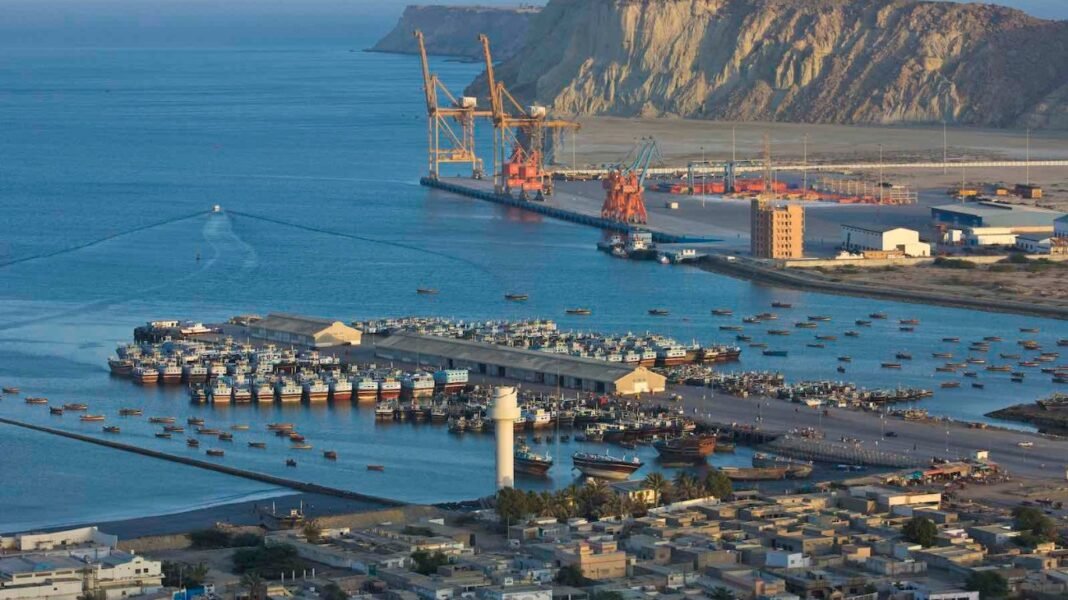
Stand on top of Koh-e-Batil at sunset and look in both directions: to the east, the great crescent bay of Gwadar curves away toward the horizon, fishing boats scattered across water the colour of hammered steel; to the west, the hammer-shaped peninsula — the famous Hammerhead — juts into the Arabian Sea while the cranes of one of the world’s most talked-about deep-sea ports rise against the cliffs. This is Gwadar, the port city of Balochistan that went from a sleepy Omani fishing outpost to the centrepiece of the China-Pakistan Economic Corridor in a single generation. Yet for all the headlines about trade routes and geopolitics, what will actually fill your camera roll is the raw coastal beauty: golden beaches, the Marine Drive at dusk, the world’s most dramatic road trip down the Makran Coastal Highway to get here, and seafood so fresh it was swimming that morning. This Gwadar travel guide tells you why this frontier city deserves a place on your travel list, the best time to visit its beaches, the top things to do, and exactly how to reach it by road, air, and sea.
Quick Facts
- Location: Southwestern coast of Balochistan, on the Arabian Sea, about 630 km west of Karachi
- Altitude: Sea level; the Koh-e-Batil headland rises steeply above the town
- Famous For: The deep-sea Gwadar Port (CPEC), the Hammerhead/Koh-e-Batil peninsula, Marine Drive, pristine Makran beaches, the New Gwadar International Airport
- Nearest City: Turbat, about 120 km to the northeast; Karachi, about 630 km to the east
- Accessibility: The Makran Coastal Highway (N-10) from Karachi; commercial flights to the New Gwadar International Airport
- Known Landmarks: Koh-e-Batil (Hammerhead), Gwadar Port, Marine Drive, Gwadar Cricket Stadium, Omani-era forts, Zalzala Jazeera
- Best For: Beach lovers, road-trippers, photographers, adventure travelers, anyone curious about Pakistan’s economic frontier
Why Visit Gwadar
Gwadar is two trips in one, and that is its magic. First, there is the journey: the Makran Coastal Highway from Karachi is routinely called the most beautiful road in Pakistan, a ribbon of perfect asphalt running between the sea and some of the strangest desert mountains on earth — the Sphinx of Hingol, the Princess of Hope (named by Angelina Jolie during her 2002 visit), the bubbling mud volcanoes, and the golden sweep of Kund Malir beach where dolphins ride the surf. By the time you roll into Gwadar after eight hours of this, the destination almost feels like a bonus.
Then there is Gwadar itself, and it rewards the traveler who looks past the construction cranes. Climb the roughly 700 steps up Koh-e-Batil, the hammer-shaped headland that gives the city its silhouette, and you get one of the great coastal panoramas in South Asia — the old town on one side, the open Arabian Sea on the other. Drive the Marine Drive as the sun drops into the water. Wander the fish harbor in the morning when the boats come in and the whole economy of the town is laid out on the docks. Visit the port promenade and the cricket stadium that briefly became world-famous for its setting. Gwadar is still raw, still developing, and that is exactly why you should go now: in a decade it may be polished, but today it is real.
And then there is the history under your feet. Gwadar was an Omani possession from 1783 until Pakistan purchased it in 1958, and the Arab legacy is everywhere — in the old forts, in the Ramadan customs, in dishes like Sukoon shared between neighbours. Add the Balochi fishing culture, the new CPEC-era skyline, and some of the freshest seafood in the country, and you have a destination with more layers than almost anywhere else on Pakistan’s coast. If you have done Karachi’s beaches and want the wilder, deeper version, Gwadar is calling.
History of Gwadar
Gwadar’s story begins as a fishing settlement in the late 17th century, on a tapered 12-kilometre sandy strip connecting the Makran coast to the rocky outcroppings of what is now called the Gwadar Peninsula, or Koh-e-Batil. The Greeks had long known this coast — Alexander’s army marched through Makran, a name the Greeks derived from the Persian “Mahi Khoran,” the fish-eaters. Muhammad bin Qasim captured Gwadar in 711 AD during the Arab arrival in Sindh and Makran.
The chapter that shaped modern Gwadar began in 1783, when the Khan of Kalat, Mir Noori Naseer Khan Baloch, granted suzerainty over Gwadar to the defeated ruler of Muscat, Taimur Sultan. The Sultan kept Gwadar even after reclaiming Muscat, ruling through an administrator, and three forts were built during the Omani period. Gwadar remained an overseas possession of the Sultanate of Muscat and Oman for 175 years, until 8 September 1958, when Pakistan purchased it — officially becoming part of Pakistan on 8 December 1958. The Arab era left a deep imprint: even today, Gwadar’s Ramadan customs, its love of dates and lassi, and the oud scent in its homes recall the Omani years.
The modern transformation began with a 1954 survey by the United States Geological Survey, which identified Gwadar as a viable deep-water port site. Modest Chinese investment from 2013 onward accelerated development under the China-Pakistan Economic Corridor, and Gwadar Port became the corridor’s flagship. In October 2011 Gwadar was declared the winter capital of Balochistan. The newest landmark is the New Gwadar International Airport at Gurandani, about 26 km from the city: inaugurated on 14 October 2024 and operational for commercial flights from 20 January 2025, when PIA flight PK-503 from Karachi — 46 passengers — touched down at 11:15 in the morning. Spread over 4,300 acres with a 3.6-kilometre runway built to handle aircraft as large as the Boeing 747 and Airbus A380, it is Pakistan’s largest airport by land area and the clearest symbol of the city’s ambitions.
Top Things to Do in Gwadar
Climb Koh-e-Batil (the Hammerhead)
The hammer-shaped peninsula is Gwadar’s defining landmark, and the climb to its summit is the city’s essential experience. A steep staircase of nearly 700 steps leads to the top, where the Pearl Continental hotel sits and the view opens in every direction: the crescent East Bay on one side, the open Arabian Sea and the old town on the other. Go in the late afternoon so you are at the top for sunset, bring water, and take the climb slowly — it is steep and there is no shade. The panorama explains in one glance why every empire wanted this headland.
Drive the Marine Drive
Gwadar’s Marine Drive is the city’s social heart after dark — a long, scenic coastal road made for slow drives, evening walks, and sunset-watching. Families gather here, tea stalls do brisk business, and the sea breeze makes it the pleasantest place in town on a warm evening. Pair it with dinner at a nearby seafood spot for the classic Gwadar evening.
Visit Gwadar Port and the Fish Harbor
The deep-sea port is the reason the world knows Gwadar’s name, and the port area — with its cranes, promenade, and views back toward Koh-e-Batil — is genuinely worth seeing. Go in the morning to the fish harbor nearby, where the fishing boats unload and the town’s oldest economy is on full display. It is loud, photogenic, and utterly authentic.
See the Gwadar Cricket Stadium
Set dramatically between the mountains and the sea, the Gwadar Cricket Stadium became an internet sensation for its setting alone. Even if no match is on, the ground and its backdrop are worth the short trip — it may be the most beautiful cricket ground in Pakistan.
Explore the Omani forts and old town
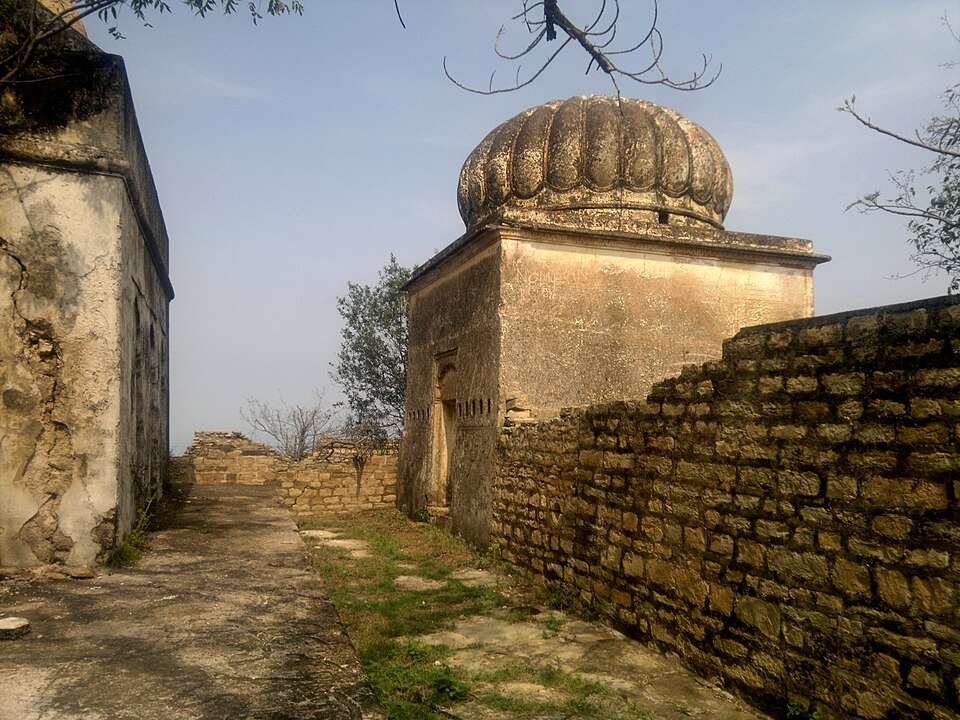
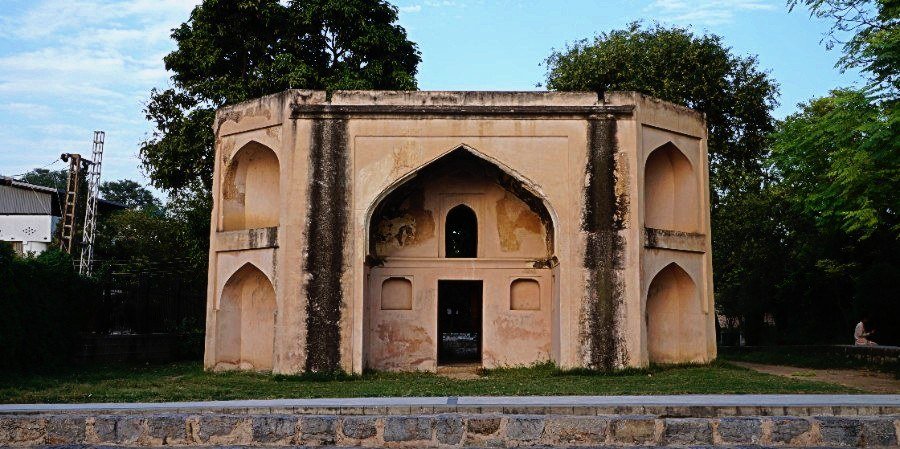
Three forts were built during the Omani period, and their remains — along with the old municipal office and its ceremonial cannons — are the physical memory of 175 years of Arab rule. Walk the old town lanes around them to feel the pre-CPEC Gwadar, the fishing town of mud-brick homes and boat-builders’ yards.
Day trip to Hingol National Park and Kund Malir
On the road back toward Karachi lie two of Balochistan’s greatest natural wonders. Hingol National Park holds the Princess of Hope and the Sphinx — wind-carved rock formations of surreal beauty — plus the Chandragup mud volcanoes, where pilgrims and travelers alike watch grey mud bubble from the crater. Kund Malir beach, with its golden sand and startlingly clear green-blue water, is the finest swimming beach on the Makran coast, and dolphins are regularly spotted offshore.
Boat to Astola Island
Pakistan’s largest offshore island and its first marine protected area lies within reach of Gwadar’s coast (boats typically leave from Pasni). It is an expedition — camping, snorkeling, turtle-nesting beaches — rather than a day trip, and it needs planning, calm seas, and supplies. Read our dedicated Astola Island travel guide before you attempt it.
Famous Places In and Around Gwadar
- Koh-e-Batil (Hammerhead) — the hammer-shaped peninsula and viewpoint, home to the PC hotel
- Gwadar Port — the deep-sea port and promenade, centrepiece of CPEC
- Marine Drive — the scenic coastal road, best at sunset
- Gwadar Cricket Stadium — the famously scenic cricket ground
- Shri Krishna Mandir — the historic Hindu temple reflecting the city’s cultural diversity
- Zalzala Jazeera — the small island that rose off the coast after the 2013 earthquake
- Kund Malir Beach — golden sand and clear water on the Coastal Highway
- Hingol National Park — Princess of Hope, the Sphinx, and the mud volcanoes
- Ormara Beach — the quiet naval-town beach about halfway to Karachi
- Jiwani — coastal town near the Iran border with mangroves and migratory birds
How to Reach Gwadar
From Karachi, Gwadar is about 630 km west along the Makran Coastal Highway (N-10) — one of the great road journeys of Pakistan, taking roughly 8 to 9 hours by car. The road is excellent, traffic is thin, and the scenery does the entertaining: the highway climbs over the Buzi Pass, threads the mountains of Hingol, and runs beside the sea for long stretches. Ormara, about halfway, is the natural lunch and rest stop. Buses and coaches run from Karachi to Gwadar daily, and many travelers hire a car with a driver for the flexibility to stop at Kund Malir, the Princess of Hope, and the mud volcanoes along the way.
From Islamabad and Lahore, the overland journey is very long — on the order of 1,800 to 1,900 km — so flying is the realistic option. The New Gwadar International Airport at Gurandani, about 26 km from the city, now receives commercial flights: the first, PIA flight PK-503, landed from Karachi on 20 January 2025, and domestic connections continue to grow, with daily flights from Karachi reported. From the airport, taxis and hotel pickups cover the short ride into town.
Route Details
From Karachi (the classic route): Leave early — many travelers set off around midnight to reach Kund Malir for sunrise. Take the N-10 Makran Coastal Highway west: Winder at about 85 km, Kund Malir at about 250 km (stop for breakfast and the beach), the Princess of Hope and Hingol detour, Ormara at about 350 km (lunch stop, seashell beach), Pasni, and finally Gwadar at about 630 km. From Quetta: The inland route via Turbat connects to Gwadar (about 120 km from Turbat). By air: Fly to the New Gwadar International Airport from Karachi; the airport is about 26 km from the city centre, a 30-minute drive.
Where to Stay in Gwadar
Gwadar’s best-known hotel is the Pearl Continental Gwadar, dramatically sited on top of Koh-e-Batil with sweeping views over the bays — it is the city’s luxury option and the landmark most visitors photograph. Below it, the town offers a growing range of mid-range hotels and guesthouses, many clustered near Marine Drive and the city centre, catering to business travelers, port workers, and the rising number of tourists. Standards are decent and improving as the city’s infrastructure develops, but this is still a frontier town: book ahead in the winter season, confirm that your hotel has reliable power backup and water, and do not expect resort-style amenities outside the top properties.
Budget travelers will find simple guesthouses and rest houses at very reasonable rates. If you are combining Gwadar with the Coastal Highway, note that Ormara and Kund Malir have only very basic accommodation — most road-trippers either camp at Kund Malir (with proper gear and permissions) or push through to Gwadar. For Astola Island trips, you will be camping on the island itself with a tour operator; there are no hotels there.
Where to Eat: Local Foods of Gwadar
Gwadar is a seafood town, and eating here is one of the great pleasures of the trip. The fish harbor supplies restaurants with the morning’s catch: grilled fish, prawn curry, fried calamari, and lobster for those willing to splurge. The local style is simple — fresh fish, local spices, flame — and the prices are far kinder than in Karachi for the same freshness. Balochi sajji, the slow-roasted whole lamb or chicken that is the signature dish of the province, is widely available and worth seeking out.
The Omani legacy lives on in the food too. During Ramadan, Gwadar’s tables fill with dates and lassi in the Arab style, and the old Arabian dish Sukoon — dates softened in water and mixed with wheat flour — is still made and shared between neighbours in the old town. For everyday eating, the bazaars and the Jannat Bazar area have dhabas serving Balochi, Sindhi, and Punjabi staples at budget-friendly prices; a full meal typically costs a few hundred rupees per person. Carry snacks and water for the long Coastal Highway drive, and plan your main meals around Ormara and Gwadar rather than the empty stretches between.
Weather in Gwadar
Gwadar has an arid coastal climate: hot, dry, and breezy, with the sea moderating the extremes you find inland. Summers are long and genuinely hot, which is why every local guide will tell you to avoid them. Winters are the glory season — warm days, cool nights, and the sea at its most inviting. Rain is rare and light; the bigger seasonal factor is the sea state, which matters if you are planning an Astola Island boat trip. Humidity rises in the monsoon months even though Gwadar gets little actual rain.
| Season | Temperature Range | Conditions |
|---|---|---|
| Winter (Nov–Feb) | 14–26°C | Pleasant and sunny; the best season for beaches and sightseeing |
| Spring (Mar–Apr) | 20–32°C | Warming up; still good for travel, sea breezes help |
| Summer (May–Sep) | 28–38°C | Hot and humid; avoid midday outdoor activity |
| Autumn (Oct) | 22–33°C | Cooling; an excellent shoulder month |
Language and Culture of Gwadar
Balochi is the language of Gwadar’s people, and the town’s culture is the culture of the Makran coast: fishing, seafaring, and a hospitality shaped by centuries of trade with Oman, East Africa, and the Gulf. Urdu is widely spoken, especially in the bazaars and hotels, so visitors will manage fine. What surprises many first-time visitors is the Arab layer — 175 years of Omani rule left customs that survive today, from the oud scent in homes to Ramadan traditions shared with the Gulf, to the old town’s architecture.
Gwadar is more conservative than Karachi, so dress modestly — light, loose clothing works for the climate and the culture. Ask before photographing fishermen at work or families on the beach. The town has a significant security presence because of the port’s strategic importance; carry your ID at all times, cooperate politely at checkpoints, and stick to the main tourist areas after dark. The Marine Drive promenade in the evening is the town’s relaxed social space and perfectly comfortable for families.
Shopping in Gwadar
The Jannat Bazar is Gwadar’s main market for visitors, selling traditional Balochi clothing, embroidery, and handicrafts. Balochi needlework — the intricate embroidery on women’s dresses and shawls — is the standout craft, and good pieces are genuine handmade work. According to local guides, fine handicrafts range from a few thousand rupees into the tens of thousands depending on detail and quality, so browse, compare, and bargain politely. Dried fish and prawns, dates, and local salt are the edible souvenirs; the fish market area sells them fresh and dried.
There are no shopping malls in Gwadar in the Karachi sense — this is a bazaar town, and that is part of its charm. For wider shopping, from electronics to branded goods, travelers stock up in Karachi before driving down the Coastal Highway. If you are buying embroidery as a gift, the bazaar shops near the city centre have the best selection; check the stitching closely, since machine-made copies circulate alongside the real handwork.
Travel Tips for Gwadar
Packing Essentials
Sun protection is non-negotiable: high-SPF sunscreen, sunglasses, a wide-brimmed hat, and light long-sleeved clothing. The coastal sun is fierce even in winter. Bring swimwear and a towel for the beaches, sturdy sandals or water shoes for rocky shores, and a light jacket for breezy winter evenings. If you are driving the Coastal Highway, carry far more water than you think you need, a full tank of fuel from Karachi (stations are sparse), and a basic car emergency kit.
Safety Tips
Gwadar’s strategic importance means a visible security presence — this is normal. Carry your national ID card or passport at all times and expect checkpoints on the Coastal Highway; keep documents handy and cooperate courteously. Avoid restricted port and naval areas, do not photograph security installations, and check locally about which beaches and viewpoints are currently accessible. Swim only at calm, known beaches like Kund Malir, never alone, and respect the sea — the Arabian Sea’s currents demand caution.
Money & Connectivity
Carry cash — card facilities are limited and ATMs can be unreliable, so withdraw enough rupees in Karachi before you set out. Mobile signals fluctuate, especially on the Coastal Highway stretches between towns; download offline maps for the whole N-10 route. Fuel up whenever you see a station on the highway, and let someone know your driving plan and expected arrival time.
Best Time to Visit Gwadar
Winter (November to February) — the perfect season
This is when Gwadar shows its best self: warm sunny days around the mid-20s, cool evenings, calm seas, and ideal conditions for the Coastal Highway drive, the Koh-e-Batil climb, and beach time. Book hotels ahead — this is peak season.
Spring (March to April) — still very good
Temperatures climb into the low 30s but the sea breeze keeps the coast comfortable. A fine time for the road trip, with wildflowers in the Hingol area after winter rains.
Summer (May to September) — avoid
Hot, humid, and draining, with temperatures in the high 30s. The beaches lose their charm at midday and the long drive becomes an ordeal. If you must come, do everything at dawn and dusk.
Autumn (October) — the sweet spot returns
October brings relief: the heat breaks, the sea calms, and the winter season begins. Smart travelers who want Gwadar without the peak-season crowds aim for October.
Final Thoughts
Gwadar is not a polished resort, and you should not expect one. What it is — right now, in this moment of its history — is one of the most interesting places you can stand in Pakistan: a 300-year-old fishing town becoming a 21st-century port city in real time, wrapped around some of the finest coastal scenery in the country. The drive down the Makran Coastal Highway alone justifies the trip; the Hammerhead at sunset, the seafood at the harbor, and the strange, beautiful emptiness of the Makran coast will stay with you long after you are home.
Go in winter. Take the slow road from Karachi. Climb Koh-e-Batil, eat the morning’s catch, and stand on the Marine Drive as the sun drops into the Arabian Sea. Gwadar rewards the traveler who comes with curiosity rather than a checklist — and it will only get busier from here.
FAQs
Where is Gwadar?
Gwadar is a port city on the southwestern coast of Balochistan, on the Arabian Sea, about 630 km west of Karachi along the Makran Coastal Highway.
What is the best time to visit Gwadar?
November to February, when days are warm and sunny (14–26°C) and the sea is calm. Avoid the hot, humid summer months.
How do I reach Gwadar from Karachi?
Drive the Makran Coastal Highway (N-10), about 630 km and 8–9 hours, or fly to the New Gwadar International Airport, about 26 km from the city.
Is Gwadar safe for tourists?
Yes, with normal precautions. There is a visible security presence due to the port; carry ID, cooperate at checkpoints, avoid restricted areas, and swim only at known calm beaches.
Is Gwadar suitable for families?
Yes — the Marine Drive, beaches, and viewpoints are family-friendly, especially in winter. The long drive from Karachi is the main challenge with small children; consider flying.
Where should I stay in Gwadar?
The Pearl Continental on Koh-e-Batil is the luxury landmark; the town also has mid-range hotels and budget guesthouses near Marine Drive and the city centre. Book ahead in winter.
What food is Gwadar famous for?
Fresh seafood — grilled fish, prawn curry, lobster — plus Balochi sajji. The old town also keeps Omani-era food traditions like dates, lassi, and the dish Sukoon.
Can I visit Astola Island from Gwadar?
Yes, but it is an expedition, not a day trip: boats leave from the coast (usually Pasni), you camp on the island, and you need calm seas, supplies, and a tour operator. See our Astola Island travel guide above for the full logistics.
For more coastal adventures, browse our Explore Pakistan section, plan the island expedition with our Astola Island guide, or head for the mountains in our Hunza Valley guide.