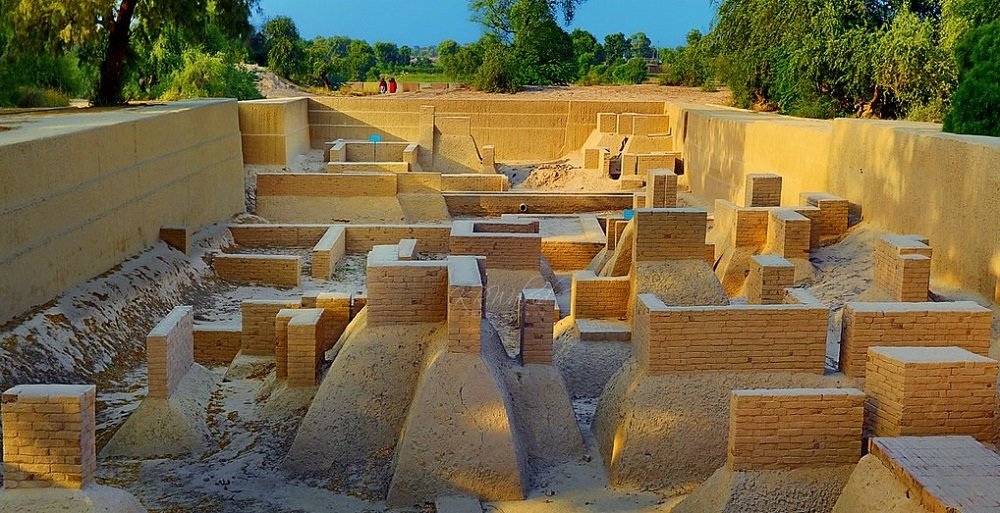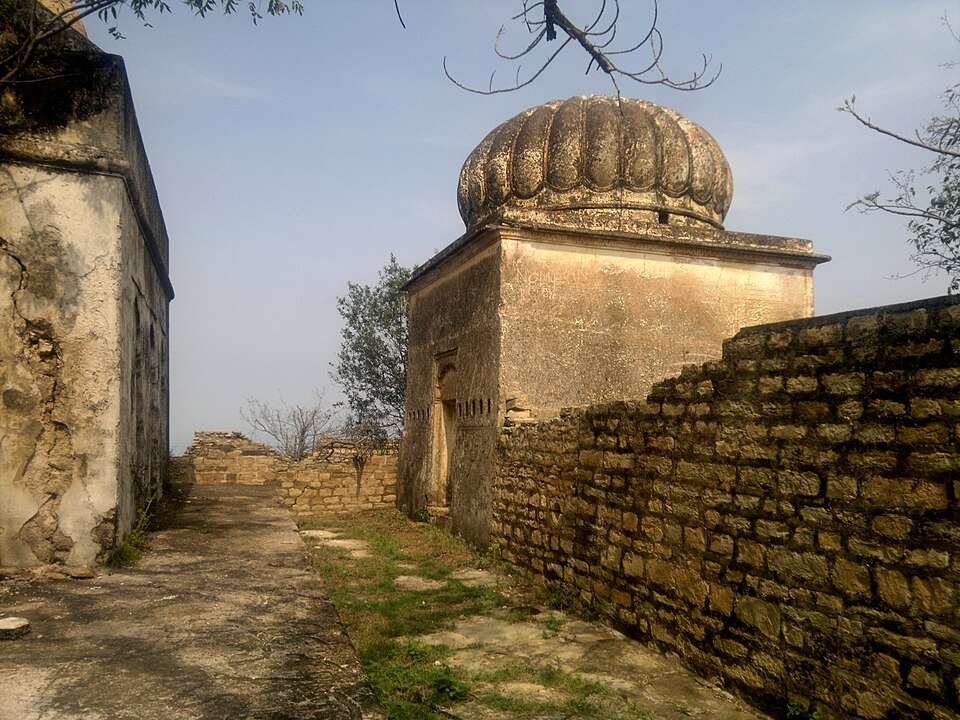
There is a hill in the Salt Range where Hindu ascetics meditated for two thousand years, where a heartbroken lover became a jogi in Punjab’s greatest romance, where Mughal emperors climbed in wonder — and where Guru Nanak sat in meditation for forty days. That hill is Tilla Jogian, and at its summit, beside an ancient stone-lined tank, stands the small, weathered Guru Nanak’s Shrine, Tilla Jogian: the darbar marking the spot where the founder of Sikhism met the jogi Bal Gondai, who heard his words and became his devotee.
This Guru Nanak’s Shrine Tilla Jogian travel guide is for the traveller who wants more than a photo stop. It covers why this 975-metre summit — the highest point of the eastern Salt Range — deserves your climb, the extraordinary layered history of the hill, when to attempt the ascent, and how to reach it from Jhelum, Islamabad, and Lahore.
Quick Facts
- Location: Summit of Tilla Jogian, about 24 km west of Jhelum city, Punjab, Pakistan
- Altitude: Around 975 metres above sea level — the highest point of the eastern Salt Range
- Famous For: The shrine where Guru Nanak met the jogi Bal Gondai; the 2,000-year-old Kanphata Jogi monastery; the hill where Ranjha of Heer Ranjha became a jogi
- Nearest City: Jhelum (24 km east); Dina is the nearer small town at the foothills
- Accessibility: Jeep track from the Rohtas Fort side; trekking trail from Bheat village at the foothills — a proper hill ascent, not a drive-up viewpoint
- Known Landmarks: The small darbar by the tank, the ancient temple complex and water tanks, the stone-lined pond built by Maharaja Ranjit Singh
- Best For: Trekkers, history lovers, spiritual seekers, photographers, Sikh pilgrims, off-the-beaten-path explorers
Why Visit Guru Nanak’s Shrine, Tilla Jogian
Few places in Pakistan compress as much history into one hilltop as Tilla Jogian. The climb itself is the experience: you ascend through the Salt Range’s fossil-strewn slopes to a summit scattered with the ruins of a monastic complex that predates most of the world’s religions in their current form. And at the heart of it, by a beautiful old tank, stands the small darbar of Guru Nanak — a shrine so modest you might walk past it, yet marking a forty-day meditation that shaped Sikhism’s dialogue with India’s ascetic traditions.
The Guru Nanak story here is unusually intimate. This was not a grand public preaching but a retreat — a chilla — undertaken, the tradition says, to understand the ideology of the jogis and engage them in spiritual discourse. The jogi Bal Gondai, a Purapkari Sadhu living on the mound, heard the Guru’s words and became his devotee. The Guru’s footprints, once preserved in stone at the spot, have worn away with time — and somehow that erosion makes the place more moving, not less. You stand where centuries of feet have stood, and the stone itself has been humbled.
Then there is the Heer Ranjha connection, which gives Tilla Jogian its romantic soul. In Waris Shah’s 18th-century epic — Punjab’s own Romeo and Juliet — the heartbroken Ranjha climbs this very hill seeking solace, and here Bal Nath Jogi pierces his ears, initiating him into the Jogi order. For Punjabi culture, Tilla Jogian is forever the sanctuary of separated lovers. Standing on the summit at sunset, with the Jhelum river glinting below and the Potohar plateau rolling to the horizon, you understand why poets chose this hill.
Practically, this is also one of Punjab’s most rewarding day-treks. The jeep track from the Rohtas Fort side means determined visitors can reach the top without a full expedition, while the trekking trail from Bheat village offers a proper hike. Combine it with Rohtas Fort — a UNESCO World Heritage Site just 24 km away — and you have one of the finest heritage weekends in the country. For the Explore Pakistan traveller who has done the northern peaks and wants history with their hiking, Tilla Jogian is the answer.
History of Guru Nanak’s Shrine, Tilla Jogian
The history of Tilla Jogian — “the Hill of the Jogis” — stretches back more than two millennia. Traditional accounts date the founding of the monastic complex to the 1st century BCE, when followers of Guru Gorakhnath established a centre for the Kanphata Jogi sect — the “pierced-ear” ascetics whose ear piercings symbolised complete renunciation of worldly life. For two thousand years, this was the most important Jogi pilgrimage site in Punjab: hostels housing acolytes from across India, dozens of accomplished masters, and a continuous tradition of meditation, yoga, and spiritual instruction on the summit.
The hill’s antiquity impressed even emperors. The Mughal emperor Akbar visited what his chronicler Abul Fazal called the “Shrine of Balnath,” marvelling at its age and noting that its origins had already become obscure in the mists of time. The 17th-century emperor Jahangir also made the pilgrimage to these heights. The complex’s prestige survived the Mughal decline, though it was sacked and looted during the raids of the Afghan king Ahmad Shah Abdali in the 18th century — after which it was rebuilt.
It was in the early 1500s that Guru Nanak came to Tilla Jogian and spent forty days in meditation here. The tradition of this visit is recorded in the Miharban Janamsakhi, and the purpose remembered by the tradition was dialogue: the Guru sought to understand the jogis’ ideology and engage them in spiritual discourse. On the mound lived a jogi named Bal Gondai, a Purapkari Sadhu. He heard the saying of Sat Guru Nanak Dev Ji and became his devotee. The Guru’s footprints were preserved in stone at the place — though they have since eroded — and a small darbar stands by a beautiful tank beside the spot. Fifteen ghumaon of forest land were attached to the shrine, and the Nanga Sadhus served as its priests.
Centuries later, Maharaja Ranjit Singh — the Sikh ruler of Punjab — commemorated the Guru’s visit by rebuilding temples damaged in Abdali’s raids, constructing a stone-lined pond in memory of Guru Nanak for the jogis, and raising a small monument marking the spot where the founder of Sikhism is said to have meditated. Before the Partition of 1947, Tilla Jogian remained an active pilgrimage centre, with an annual festival on the first day of the Hindu month of Chaitra at which communal meals were served to all attendees. After Partition the jogis migrated, the site fell silent, and the temples began their long decay.
In 2021, the government declared Tilla Jogian a National Park, recognising its ecological and historical value and hoping to promote eco-tourism. A jeep track was built connecting the summit to Rohtas Fort for tourists in SUVs and motorbikes, and a trekking trail was marked from Bheat village at the foothills. Progress on facilities remains slow — the temples still languish, and visitor infrastructure is minimal — but the designation at least put this forgotten summit back on the map. What awaits you at the top is raw, unrestored, magnificent history.
Top Things to Do in Guru Nanak’s Shrine, Tilla Jogian
Visit the Guru Nanak Darbar by the Tank
The spiritual heart of the summit for Sikh visitors is the small darbar standing beside the beautiful tank — the shrine marking where Guru Nanak met Bal Gondai. It is humble: no grand dome, no marble plaza, just a quiet structure by still water on a 975-metre summit. Sit here a while. The forty-day chilla the Guru undertook was about stillness, and the place still teaches it.
Explore the Ancient Temple Complex
Wander the ruins of the Kanphata monastery: collapsed walls, eroded carvings, stepped water channels, meditation cells, and the chattris (elevated pavilions) that catch the golden-hour light so beautifully. Look for the stone-lined pond built by Maharaja Ranjit Singh and the monument marking the Guru’s meditation spot. The complex rewards slow exploration — every ruined wall is two thousand years of history.
Trek from Bheat Village
For hikers, the trekking trail from Bheat village at the foothills is the classic ascent. The climb is moderately challenging — the hill rises 975 metres and the trail is rough in places — but the reward is a summit panorama over the Jhelum river, the Potohar plateau, and the Salt Range ridges. Start early, carry water (there are no facilities at the top), and allow 2–3 hours up at a steady pace.
Drive the Jeep Track from Rohtas Fort
Less inclined to hike? The jeep track connecting Tilla Jogian to Rohtas Fort — 24 km away — lets SUVs and motorbikes reach the top. The track is rough and best attempted in a high-clearance vehicle with an experienced driver. Combining Rohtas Fort’s massive UNESCO-listed ramparts in the morning with Tilla Jogian’s summit at sunset makes for an unforgettable day.
Photograph the Summit at Golden Hour
Tilla Jogian is a photographer’s hill: ancient stone against huge skies, the Jhelum river silvering below, and some of Punjab’s most dramatic sunsets. The late-afternoon light raking across the temple ruins is worth timing your ascent for. Stay for sunset if your transport allows — but plan the descent before full dark.
Famous Places In and Around Guru Nanak’s Shrine, Tilla Jogian
- Rohtas Fort — the UNESCO World Heritage Site 24 km away, connected by jeep track; combine both in one trip.
- Bheat village — the foothill village where the trekking trail begins.
- Jhelum city — 24 km east, with its river front, bazaars, and the nearest hotels.
- River Jhelum viewpoints — the summit offers sweeping views over the river valley.
- Dina — the small town nearest the foothills, useful for supplies and transport.
How to Reach Guru Nanak’s Shrine, Tilla Jogian
Tilla Jogian sits about 24 km west of Jhelum city, and getting there is half the adventure. There are two ways up: the trekking trail from Bheat village at the foothills (the hiker’s route), and the jeep track from the Rohtas Fort side (24 km away) for SUVs and motorbikes. There is no public transport to the summit — you arrange a private vehicle, a local jeep, or your own two feet.
From Islamabad: Take the GT Road southeast toward Jhelum — around 110 km, roughly 2 to 2.5 hours. From Jhelum city, head west toward Dina and the foothills (local drivers know the Bheat village turn-off). Islamabad International Airport is the nearest airport, about 130 km from the trailhead.
From Lahore: Drive the GT Road northwest to Jhelum — around 165 km, roughly 3 hours — then continue as above. Many visitors combine Tilla Jogian with Rohtas Fort, approaching the hill from the fort side via the jeep track.
From Karachi: Fly to Islamabad or Lahore, then continue by road as above. The hill is a long way from the coast — treat it as part of a Punjab heritage circuit rather than a standalone trip.
Road conditions and transport options: The GT Road to Jhelum is excellent. Beyond Jhelum, the foothill roads are narrower but paved; the jeep track up the hill is rough, rocky, and strictly for high-clearance 4x4s with experienced drivers — do not attempt it in a normal car, especially after rain. For the trek, hire a local guide at Bheat village: the trail is unmarked in places, and a guide also enriches the experience with local stories. Avoid the ascent in heavy monsoon rain (July–August), when the track and trail turn treacherous.
Route Details
- Jhelum → foothills: From Jhelum city, drive west toward Dina; ask for the Bheat village turn-off at the base of Tilla Jogian (about 24 km from Jhelum).
- Trekking option: Park at Bheat village, hire a local guide, and hike the trail to the summit (2–3 hours up at a steady pace). Carry all your water — there are no shops or facilities on the hill.
- Jeep option: From the Rohtas Fort side, take the jeep track (24 km) up to the summit in a 4×4. Best in dry weather and daylight.
- At the summit: The Guru Nanak darbar stands by the tank near the temple complex; the Ranjit Singh pond and monument are part of the same cluster of ruins.
Where to Stay in Guru Nanak’s Shrine, Tilla Jogian
There is no accommodation on the summit — Tilla Jogian is a day-trip destination, and that is part of its wild charm. Jhelum city, 24 km east, is the natural base: it has a range of budget and mid-range hotels and guesthouses along the GT Road and in the city centre, with air-conditioning, attached baths, and easy access to restaurants. Prices are modest, and the city makes a comfortable overnight stop.
Dina, the smaller town nearer the foothills, has a few very basic guesthouses — adequate if you want the earliest possible start on the trail, but most visitors will be happier in Jhelum. Luxury travellers should base in Islamabad (about 2–2.5 hours away), where the full range of upscale hotels is available, and drive down for the day.
Camping: Well-equipped trekkers sometimes camp near the summit in the cooler months, but this is strictly for experienced groups carrying all water, food, and gear — there are no facilities, no water sources you can rely on, and the hill is exposed. For almost everyone, the right plan is: sleep in Jhelum, climb at dawn, descend by afternoon.
Where to Eat: Local Foods of Guru Nanak’s Shrine, Tilla Jogian
Eat before you climb and after you descend — there is nothing to buy on the hill. In Jhelum and Dina, the food is classic Punjabi-Potohari: dhabas serving dal fry, mixed sabzi, and tandoori roti; breakfasts of desi-ghee parathas with lassi; and roadside stalls with samosas, pakoras, and doodh patti chai. The GT Road dhabas between Islamabad and Jhelum are institutions in their own right — the chicken karahi and mutton dishes at the better-known stops are worth planning your drive around.
For the trek itself, pack like a hiker: water (at least 2 litres per person), dried fruit, nuts, and paratha rolls from a Jhelum dhaba. In Jhelum city, the bazaars offer fresh seasonal fruit — the region’s kinnows in winter and mangoes in summer are excellent trail fuel. Meals in Jhelum are very budget-friendly; a hearty dhaba dinner costs a fraction of big-city prices. After the descent, the traditional reward is a proper lassi — you will have earned it.
Weather in Guru Nanak’s Shrine, Tilla Jogian
The summit follows the Jhelum plains’ climate but cooler and windier — roughly 3–5°C below the city at any given time. Winters are mild and clear (perfect for hiking), summers are hot on the exposed slopes, and the July–August monsoon soaks the hill and makes the track slippery. The sweet spot for the ascent is November to mid-March, when the air is crisp and the views are at their clearest. Here is the seasonal picture for the Jhelum area:
| Season | Temperature Range (Jhelum city) | Conditions |
|---|---|---|
| Winter (Dec–Feb) | 5°C – 22°C | Cool, clear, often foggy mornings in the plains but clear on the summit. The best hiking season. |
| Spring (Mar–Apr) | 13°C – 34°C | Warming fast; March is still pleasant for the climb, April gets hot by midday. |
| Summer (May–Jun) | 23°C – 40°C | Hot and dry; attempt the hill only at dawn, carry extra water. The summit is cooler but exposed. |
| Autumn (Sep–Nov) | 11°C – 35°C | Cooling after the monsoon; November is superb — clear skies, mild air. |
Note: July–August brings heavy monsoon rain (Jhelum averages over 230 mm in each of these months) — avoid the ascent then; the jeep track and trail become dangerous.
Language and Culture of Guru Nanak’s Shrine, Tilla Jogian
Punjabi — in its Potohari dialect — is the language of the Jhelum foothills, with Urdu universally understood. Your guide at Bheat village will likely speak Potohari Punjabi; a few words of greeting in Punjabi go a long way.
Culturally, you are moving through layers: a Hindu ascetic heritage site, a Sikh shrine, and the landscape of Punjab’s most famous love story. Treat all of it with the same respect — cover your head at the darbar, do not climb on or deface the ruins (graffiti is already a problem here; do not add to it), and carry out all your litter. The hill is sacred to multiple traditions; behave as a guest in a place of worship, because that is what it is. Local villagers are proud of the hill and happy to share its stories — listen generously.
Shopping in Guru Nanak’s Shrine, Tilla Jogian
There is no shopping on the hill — come for the history, not the souvenirs. In Jhelum city’s bazaars, however, you will find the everyday delights of a Punjab market town: dry fruits and roasted nuts, phulkari-embroidered textiles, traditional khussas (footwear), and in season, the region’s excellent kinnows and guavas. The old city’s metalwork and woodwork shops are worth a browse.
There are no shopping malls at the destination itself — Jhelum has only modest modern retail, and that is fine. Buy portable, meaningful things: a bag of the Salt Range’s rock salt products (the range is famous for it), dried fruit for the road, and perhaps a book on the region’s history from a Jhelum bookshop. Bargaining is expected in the bazaars.
Travel Tips for Guru Nanak’s Shrine, Tilla Jogian
Packing Essentials
Sturdy hiking shoes with ankle support (the trail is rocky), at least 2 litres of water per person, sun protection (hat, sunscreen — the summit is fully exposed), a headscarf for the darbar, snacks, a basic first-aid kit, and a fully charged phone. A light jacket is wise from November to February; the summit wind bites.
Safety Tips
Hire a local guide at Bheat village — the trail is unmarked in places and a guide is worth every rupee. Climb in daylight only and plan to descend well before dark; start early enough that you are off the hill by late afternoon. Do not attempt the jeep track after rain. Tell your hotel your plans. Mobile signals are patchy on the upper slopes — do not rely on them.
Money & Connectivity
Carry all the cash you need — there are no ATMs at the foothills, let alone the summit. Jhelum city has banks and ATMs; stock up there. Mobile coverage is decent in Jhelum and at the trailhead but fades on the upper hill; download offline maps beforehand. Fuel up in Jhelum or Dina before heading to the trailhead.
Best Time to Visit Guru Nanak’s Shrine, Tilla Jogian
Winter (November–Mid-March): The Prime Season
This is when Tilla Jogian shines — cool, clear air, superb visibility from the 975-metre summit, and comfortable hiking temperatures. Hikers specifically recommend winter, as the climb gets punishingly hot from mid-March. November and February are the standout months.
Spring (Mid-March–April): Warm but Doable
Early spring still works if you start at dawn and carry plenty of water. By April the midday heat on the exposed slopes is serious — this becomes a sunrise-or-nothing climb.
Summer (May–August): Avoid the Ascent
May–June brings fierce heat; July–August adds the monsoon, making the track and trail slippery and dangerous. If you must come in summer, limit yourself to viewing the hill from below and exploring Rohtas Fort instead.
Autumn (September–October): The Return
As the monsoon retreats, October brings back clear skies and manageable temperatures. Late October into November is the start of the prime season — plan then for the best combination of weather and light.
Final Thoughts
Tilla Jogian does not give up its rewards cheaply — you earn this summit with sweat, and that is exactly as it should be. A hill where jogis meditated for two millennia, where Ranjha became an ascetic for love, where emperors climbed in awe and a Guru sat for forty days in stillness, deserves more than a drive-by. The small darbar by the tank, with its worn-away footprints and its quiet water, is one of the most spiritually potent spots in Punjab precisely because it asks nothing of you but attention.
Pair it with Rohtas Fort, 24 km away — the jeep track literally connects them — and you have a weekend that spans the Salt Range’s entire story, from Alexander’s frontier to the Sikh empire. Whether you come as a trekker, a pilgrim, or simply a traveller hungry for the Pakistan beyond the postcards, the Hill of the Jogis will stay with you long after the descent. And if your wider journey takes you from Malam Jabba‘s slopes to Hunza‘s peaks, let this ancient hill be the historical counterweight — proof that Pakistan’s mountains hold stories as deep as their views.
FAQs
Where is Guru Nanak’s Shrine at Tilla Jogian?
On the summit of Tilla Jogian hill, about 24 km west of Jhelum city — a small darbar beside the ancient tank, at around 975 metres, the highest point of the eastern Salt Range.
What is the best time to visit Tilla Jogian?
November to mid-March — cool, clear weather ideal for the ascent. Avoid the May–June heat and the July–August monsoon, when the track and trail become dangerous.
How do I reach the summit?
Two ways: trek the trail from Bheat village at the foothills (2–3 hours up, hire a local guide), or take the jeep track from the Rohtas Fort side in a 4×4. There is no public transport to the top.
Is the climb difficult?
Moderately challenging — a proper hill ascent on rough, rocky ground with no facilities. Reasonably fit hikers manage it fine with water, good shoes, and an early start. The jeep track is the easier alternative.
Is it safe for families?
Older children and fit family members will enjoy it as an adventure day; it is not suitable for very young children or anyone with mobility issues. Go in daylight, with a guide, in the cool season.
Where can I stay near Tilla Jogian?
Jhelum city (24 km east) has budget and mid-range hotels and is the natural base. Islamabad, about 2–2.5 hours away, offers luxury options for a day trip.
What should I eat or carry?
Eat in Jhelum or Dina before climbing — dhaba dal-roti, parathas, lassi. Carry at least 2 litres of water per person plus snacks; nothing is available on the hill.
What is the connection with Heer Ranjha?
In Waris Shah’s epic, the heartbroken Ranjha climbed Tilla Jogian and had his ears pierced by Bal Nath Jogi here, becoming a jogi — making the hill a legendary sanctuary of love and renunciation in Punjabi culture.