There is a moment in the Harappa Museum that stops most visitors in their tracks. You turn a corner, and there they are behind glass: two skeletons, a man and a woman, buried four thousand years ago with ornaments still on their bones. Suddenly the Indus Valley Civilization is not a chapter in a textbook. It is two people who lived, worked, dressed up, and were mourned — in a city whose name gave an entire civilization its identity. That is what this small museum beside the ancient mounds does better than almost any museum in Pakistan: it makes five thousand years feel personal.
This Harappa Museum travel guide is your complete companion: why the museum deserves its own trip (not just a quick add-on to the site), the story of how it was founded in 1926, the must-see galleries and artifacts, opening hours, how to reach it from Lahore, Islamabad, and Karachi, where to stay and eat nearby, and the best time to visit. Pair it with our Harappa travel guide for the full ancient-city experience.
Quick Facts
- Location: At the Harappa archaeological site, Chichawatni–Harappa Road, about 24 km southwest of Sahiwal, Punjab
- Altitude: around 190 meters above sea level
- Famous For: The finest public collection of Harappan artifacts in Pakistan — carved Indus seals with undeciphered script, ancient skeletons, jewelry, pottery, tools, and toys excavated from the mounds outside its doors
- Nearest City: Sahiwal (24 km); Lahore (about 185 km)
- Accessibility: Easy — paved road to the site; the museum building has wheelchair-accessible parking, entrance, and restrooms
- Known Landmarks: The seal gallery, the burial displays, and the reconstructed models of the ancient city; the Harappa mounds themselves are steps away
- Best For: History lovers, families with children, students, archaeology enthusiasts, and photographers of ancient art
Why Visit Harappa Museum
Ruins impress you; museums explain them. The mounds of Harappa are extraordinary, but baked-brick foundations can only tell you so much on their own. Step inside the museum and the city comes alive: here is the seal a merchant pressed into a clay tag, here the beads a woman wore, here the copper chisel a craftsman held, here the toy cart a child pulled along those very streets. Few archaeological museums in the world display artifacts found literally in the ground outside their windows, and that direct connection — object to place — is what makes this museum special.
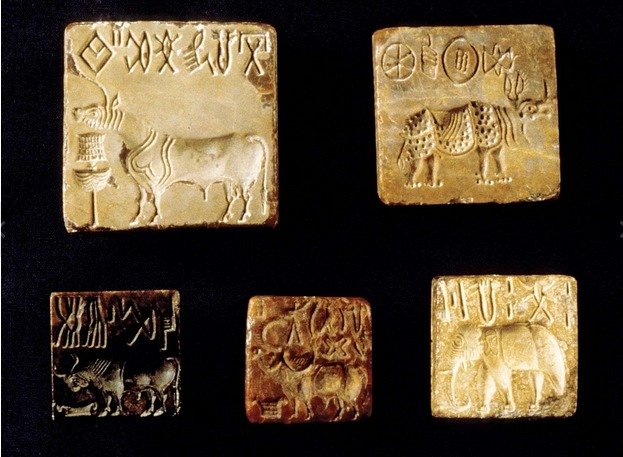
The collection punches far above the museum’s modest size. The seals alone would justify the trip: square steatite tablets carved with astonishingly fine animals — the famous “unicorn” bull, elephants, buffaloes — and lines of the Indus script, a writing system no one has ever deciphered. You will stand inches away from one of history’s great unsolved mysteries, carved by a hand that lived four and a half millennia ago. The jewelry gallery is another revelation: carnelian beads, etched and polished with techniques that still impress modern craftsmen, and ornaments of shell, ivory, and gold-colored faience that show the Harappans had real aesthetic taste, not just engineering skill.
For families, this is one of the best museum visits in Pakistan. Children are drawn to the toy gallery — miniature carts, whistles shaped like animals, dice and game pieces — because it tells them something textbooks rarely do: that children five thousand years ago played, just like them. The skeleton displays are handled respectfully and become a gentle, fascinating introduction to archaeology for older kids. Visitors consistently rate the museum around 4.8 out of 5, calling it a highlight of their Punjab travels, and many say they spent far longer inside than they planned.
Practically speaking, the museum is also the smart way to do Harappa. The site’s mounds are shadeless and best walked in the cool of morning or late afternoon; the museum is air-conditioned and perfect for the hot middle of the day. A well-planned visit — mounds at opening, museum through midday, mounds again at golden hour — turns a good trip into a great one. And because the museum sits right at the site entrance, there is no extra travel involved. If you are coming for the ancient city, the museum is not optional; it is half the experience. For more heritage ideas across the country, explore our Explore Pakistan collection.
History of Harappa Museum
The museum’s story begins with the discovery it was built to explain. When Rai Bahadur Daya Ram Sahni’s excavations at Harappa began in 1921–22 under Sir John Marshall of the Archaeological Survey of India, the finds poured out of the ground faster than anyone could properly house: seals, pottery, figurines, tools, beads, and human remains. A site museum was established in 1926 to keep the most important objects near where they were found, rather than shipping everything to distant storehouses. It was one of the earliest archaeological site museums in the subcontinent.
After the partition of 1947, Harappa — and its museum — became part of Pakistan, administered by the new country’s Department of Archaeology and Museums. The collection kept growing as excavations continued: Madho Swaroop Vatsa had dug in 1926, Mortimer Wheeler in 1946, and after independence, Mohammed Rafique Mughal of the Archaeological Survey of Pakistan excavated in 1966. To house the expanding collection properly, the Government of Pakistan constructed the museum’s current building in 1966 (some accounts date the move to the new building to 1967), giving the artifacts modern, climate-controlled display cases for the first time.
The decades since have been a story of steady stewardship. The museum’s holdings now span the full range of Harappan life: the famous seals and the undeciphered script, etched carnelian beads, stone and copper tools, terracotta figurines of humans and animals, children’s toys and game pieces, standardized weights that reveal a sophisticated trade system, pottery from everyday vessels to fine painted wares, jewelry of shell, ivory, and semi-precious stone, and the remarkable skeletal remains from the site’s cemeteries. Displays are labeled in multiple languages, and the museum also serves students and researchers, holding educational material for serious archaeological study.
What has not changed is the museum’s essential character: it is a site museum in the truest sense. Unlike national museums that gather objects from everywhere, everything important here came out of the ground you can see from its doors. When you look at a seal in its case and then walk outside to the mound where it was buried for four thousand years, you are experiencing archaeology the way it should be experienced — in place. That is the quiet power of the Harappa Museum, and it is why, a century after its founding, it remains one of Pakistan’s most rewarding small museums.
Top Things to Do in Harappa Museum
The Seal Gallery — Face the Undeciphered Script
Start here. The museum’s seals are its crown jewels: small square tablets of steatite, carved with animals of extraordinary liveliness — humped bulls, elephants, buffaloes, the mysterious “unicorn” — above or below neat lines of the Indus script. More than four thousand years after they were carved, no one has read a single sentence of that script, and standing before them you feel the weight of the mystery. Look closely at the carving: the lines are confident, the animals full of character. These were not crude stamps; they were miniature works of art made by master craftsmen, used to mark goods in one of the ancient world’s great trading systems. Photography rules vary, so check with staff, but even without a camera the memory stays.
The Burial Displays — Meet the Harappans
The museum’s most moving exhibits are its skeletal remains from the ancient cemeteries, including the famous displays of a male and a female burial — the woman adorned with ornaments she wore into the grave. Handled with dignity and presented with clear explanations of Harappan burial customs, these displays do something no pot or seal can: they remind you that a civilization is people. Visitors often linger here longest, and it is the exhibit children ask the most questions about. Take your time; it is a rare privilege to be this close to the deep past.
Jewelry, Beads, and the Art of Adornment
The Harappans loved beautiful things, and this gallery proves it. Long, barrel-shaped carnelian beads — etched with white designs using techniques archaeologists still admire — sit alongside beads of steatite, shell, ivory, and terracotta, plus bangles, pendants, and ornaments. The craftsmanship is so fine that modern jewelers study it. This is also where you grasp Harappa’s trading reach: the raw materials for these ornaments came from hundreds of kilometers away, evidence of a commercial network that stretched across the ancient world.
Pottery, Tools, and Daily Life
Move from art to everyday life: shelves of pottery from sturdy storage jars to delicate painted vessels, copper and bronze tools (chisels, blades, mirrors), stone implements, and agricultural tools that fed the city. The famous standardized weights are here too — small, precisely made cubes that merchants used across the civilization, proof of an organized economy. It is the unglamorous stuff that tells you how a city actually worked, and this collection tells it beautifully.
Toys, Games, and Figurines
Do not skip the small things. Miniature clay carts with wheels that still turn, animal-shaped whistles, dice, game pieces, and terracotta figurines of the famous “mother goddess” type fill these cases. They are the most human corner of the museum — evidence that Harappan children played, that families kept small devotional figures, that life here had tenderness as well as trade. For young visitors, this gallery is usually the favorite.
City Models and Interpretive Displays
Reconstructed models of Harappan buildings and street layouts help you visualize the city whose ruins you will walk afterward (or have just walked). Multilingual information panels explain the drainage systems, the granaries, and the town planning that made Harappa famous. Read these before or after your mound walk — either way, they transform piles of old bricks into a living city in your mind.
Famous Places In and Around Harappa Museum
The Harappa mounds — the ancient city itself, steps from the museum doors; walk the citadel, the granaries, and cemetery R-37. Sahiwal city — 24 km away, for food, fuel, and hotels. The Ravi’s old course — the river that made the city possible. Chichawatni — a convenient refreshment stop on the Lahore road. Suri Mosque at Dhawa Sharma — about 30 km from Chichawatni, a Suri-period (1540–1545) ruin for those combining heritage stops.
How to Reach Harappa Museum
The museum stands at the entrance to the Harappa archaeological site, so reaching it is the same journey as reaching Harappa: about 24 km southwest of Sahiwal on the Chichawatni–Harappa Road, all on paved roads.
From Lahore (about 185 km, around 3 hours): Take the M-2 motorway south or the N-5 Grand Trunk Road toward Sahiwal/Chichawatni, then follow the Chichawatni–Harappa Road to the site. The museum is at the site entrance with a parking area. This makes an easy day trip: leave by 7–8 am, tour the mounds in the cool morning, spend midday in the air-conditioned museum, and return by evening.
From Islamabad (about 380 km, around 5.5 to 6 hours): Drive the M-2 to Lahore and continue as above, or route via the M-3/M-4 corridor toward Abdul Hakeem and across to Sahiwal. Most capital-based visitors combine the museum with an overnight stay in Sahiwal or Lahore.
From Karachi (about 1,000 km, around 12 to 13 hours): A long drive via the N-5 or motorway network; most travelers fly to Lahore and visit from there.
By train: Sahiwal is a major station on the Karachi–Peshawar main line with regular services from Lahore, Rawalpindi, and Karachi. Hire a car or rickshaw from Sahiwal station for the 24 km to the museum.
Hours: The museum is open daily, roughly 9:00 am to 5:30 pm. Arrive by mid-afternoon to see the galleries unhurried before closing.
Route Details
Lahore → M-2 motorway (south) → exit toward Chichawatni/Sahiwal → N-5 to the Sahiwal area → Chichawatni–Harappa Road → Harappa site and museum. Signage for the archaeological site is clear on the final stretch. If using public transport, take a Lahore–Sahiwal bus or van (frequent departures), then a local van or rickshaw to Harappa. Tour operators in Lahore run day excursions that include both the mounds and the museum with a guide — worth considering if you want the full story told well.
Where to Stay in Harappa Museum
The museum has no accommodation of its own, and the site closes in the evening, so visitors stay in nearby Sahiwal, 24 km away. Sahiwal offers mid-range hotels and guesthouses near the city center and main roads — clean, air-conditioned, and budget-friendly — plus simpler lodges for economical travelers. Staying overnight in Sahiwal is actually the connoisseur’s move: it lets you reach the museum at opening time, walk the mounds in the best light, and spend the hot midday hours inside the galleries without rushing. Those who prefer full-service luxury day-trip from Lahore (3 hours away), which has five-star hotels, boutique guesthouses, and everything in between. Book Sahiwal rooms ahead on winter weekends, when heritage tourism in Punjab peaks.
Where to Eat: Local Foods of Harappa Museum
There is no full restaurant at the museum — the on-site facilities cover basics at best — so plan meals in Sahiwal. The city serves central Punjab’s greatest hits: sarson da saag with makki di roti in winter, desi chicken karahi, dal fry with tandoori roti, and the thick lassi Punjab is famous for. Breakfast at the old-city eateries means halwa puri or paye; the sweet shops sell fresh barfi, gulab jamun, and winter rewari. Sahiwal district is cattle country (the renowned Sahiwal cow breed is from here), so dairy — fresh milk sweets, rabri, khoya — is excellent. A hearty dhaba meal costs only a few hundred rupees per person. Carry water and snacks for the museum and mounds, and if you are visiting during Ramadan, note that daytime eateries in Sahiwal may be closed. For capital-city dining ideas on a longer trip, see our Islamabad guide.
Weather in Harappa Museum
The museum sits on the hot Punjab plains, so Sahiwal’s weather rules your visit: fierce summers, delightful winters, a humid monsoon. The galleries are air-conditioned, which makes the museum the perfect midday refuge in warmer months — but the mounds outside are shadeless, so plan the outdoor part of your day for the cool hours regardless.
| Season | Temperature Range | Conditions |
|---|---|---|
| Winter (Dec–Feb) | 5–20°C | Cool, clear, ideal. Morning fog possible in Dec–Jan; the museum is cozy and the mounds perfect. |
| Spring (Mar–Apr) | 15–30°C | Pleasant; green countryside. Excellent for combining museum and mound walks. |
| Summer (May–Jul) | 30–45°C | Very hot. Do the mounds at opening time and retreat to the museum for midday. |
| Autumn (Sep–Nov) | 20–35°C | Cooling and comfortable; October–November is a lovely shoulder season. |
Monsoon rains (July–September) can make the mound paths muddy, but the museum itself is unaffected — a rainy-day visit can focus entirely on the galleries.
Language and Culture of Harappa Museum
Staff and guides at the museum speak Urdu and Punjabi (the central Majhi dialect), and the display panels include English, so foreign visitors can follow the story independently. The museum’s culture is that of a working archaeological institution in rural Punjab: quiet, scholarly, and genuinely welcoming to the curious. Guides — many with years at the site — enjoy explaining the seals and burials, and a small tip for a thorough guided tour is customary and appreciated.
Visitor etiquette is simple: do not touch the display cases or use flash photography where it is prohibited (flash can damage ancient pigments and disturb other visitors), keep voices low in the galleries, and supervise children around the cases. Outside, the same rules as the archaeological site apply — stay on paths, take nothing, leave nothing. Modest dress is appreciated throughout, as at any public institution in Punjab.
Shopping in Harappa Museum
The museum’s small shop is the best place in Pakistan to buy a replica Indus seal — the classic Harappa souvenir, and far more meaningful bought here than anywhere else. You will also find postcards, booklets, and illustrated guides to the civilization, excellent for students. Prices are modest. For wider shopping, Sahiwal’s bazaars offer khussa shoes, embroidered fabrics, clay pottery, winter dry fruits, and the city’s famous fresh mithai. There are no malls at the site; Sahiwal’s small markets and plazas cover everyday needs.
Travel Tips for Harappa Museum
Packing Essentials
Pack for a combined indoor-outdoor day: hat, sunglasses, sunscreen, and water for the mounds; the museum itself needs nothing special. Comfortable closed walking shoes are essential for the uneven mound paths. A light jacket for winter mornings (near 5°C at opening), a camera (confirm photo policies at the entrance — some galleries restrict flash or photography), a power bank, and a notebook if you are a student — you will want to write things down. Carry cash in small notes for tickets and the museum shop.
Safety Tips
The museum and site are staffed, settled, and routinely visited by families; the environment is safe. Inside, the usual museum care applies: watch children near glass cases, and do not lean on displays. Outside, the risks are sun and uneven ground — a hat and good shoes solve both. Do not climb excavation walls or pick up artifacts; the site is protected by law and everything in it is irreplaceable.
Money & Connectivity
Withdraw cash in Lahore or Sahiwal — there are no ATMs at the site, and the museum shop is cash-only. Entry is ticketed at a modest fee. All major mobile networks (Jazz, Telenor, Zong, Ufone) have good signal at the site, so maps, ride-hailing from Sahiwal, and messaging all work fine.
Best Time to Visit Harappa Museum
Winter (November to February) — The Best Season
Cool, clear days around 15–20°C make this the ideal season: comfortable mound walks in the morning and evening, pleasant museum hours in between, and the best light for photography. December–January mornings can be foggy on the Lahore road, so time your drive for after 9–10 am. Weekends draw the most visitors, but the museum never feels crowded.
Spring (March to April) — Excellent Shoulder Season
Warm but not hot, with the Punjab countryside at its greenest. School and university groups visit in spring, which adds a lively, studious buzz to the galleries. April’s golden wheat fields around the mounds are beautiful.
Summer (May to July) — Museum as Refuge
If summer is your only option, structure the day around the museum: mounds at the 9 am opening, galleries through the brutal midday heat, and a final mound walk if the evening cools. Carry extra water and sun protection regardless.
Autumn (October to November) — The Quiet Sweet Spot
October brings relief from heat and humidity, and November is genuinely lovely — clear skies, mild days, and few visitors. For a peaceful, unhurried museum day, autumn is hard to beat.
Final Thoughts
The Harappa Museum is proof that a museum does not need to be big to be great. It needs a story worth telling and the real objects to tell it with — and here, a few rooms of seals, beads, tools, and bones tell the story of how cities began. Give it the unhurried hour or two it deserves, read the panels, look long at the seals, and stand a while with the burials. You will leave with a deeper feeling for the ancient city outside than any walk among the bricks could give you alone.
Pair the museum with the mounds for the complete Harappa day, and if this taste of deep history has whetted your appetite, Punjab and the north have much more: our Harappa travel guide covers the site in full, and our Malam Jabba guide takes you from ancient plains to mountain snow. Five thousand years of Pakistan are waiting — start here, where the story begins.
FAQs
Where is the Harappa Museum located?
At the entrance to the Harappa archaeological site on the Chichawatni–Harappa Road, about 24 km southwest of Sahiwal city in Punjab, roughly 185 km from Lahore.
When was the Harappa Museum established?
The museum was established in 1926 to house finds from the Harappa excavations, and moved into its current purpose-built building in 1966.
What are the museum’s opening hours?
The museum is open daily, generally from 9:00 am to 5:30 pm. Arrive by mid-afternoon to see the galleries properly before closing.
What can I see at the Harappa Museum?
Carved Indus seals with undeciphered script, skeletal burials with ornaments, jewelry and etched carnelian beads, pottery, copper and bronze tools, terracotta figurines, children’s toys and games, standardized weights, and reconstructed models of the ancient city.
How do I reach the Harappa Museum from Lahore?
Drive about 185 km (around 3 hours) via the M-2 motorway or N-5 to the Sahiwal/Chichawatni area, then the Chichawatni–Harappa Road to the site. Alternatively, take a bus, van, or train to Sahiwal and hire local transport for the last 24 km.
Is the Harappa Museum good for children?
Excellent — the toy and game galleries, animal figurines, and jewelry displays fascinate kids, and the museum is routinely rated one of the best family museum visits in Punjab. Allow 1.5 to 2 hours.
What is the best time to visit the Harappa Museum?
November to February for the best weather; March–April and October–November are also very good. In summer, visit the mounds at opening time and use the air-conditioned museum as a midday refuge.
Where can I stay and eat near the museum?
Stay in Sahiwal (24 km), which has mid-range hotels and guesthouses, or day-trip from Lahore. Eat in Sahiwal: sarson da saag, desi chicken karahi, lassi, and fresh mithai. Carry water and snacks for the site itself.