About fifteen hundred years ago. This land was part of the Buddhist world, monks raised a great brick stupa on the plains of lower Sindh and covered it with terracotta sculptures so fine that scholars still compare them with Ajanta in India. That stupa is Kahu-jo-Daro, and it still stands — weathered, damaged, quietly magnificent — on the edge of Mirpur Khas, the mango capital of Sindh. Most travellers speed past Mirpur Khas on their way to Tharparkar or Hyderabad and never know that one of the oldest surviving Buddhist monuments of the lower Indus Valley is sitting right there, free to visit and waiting for someone who cares.
This kahu-jo-daro mirpur khas travel guide is your invitation to be that someone. Also, below you will find the real, dated history of the site, why it matters to world archaeology, how to reach it from Karachi, Lahore or Islamabad, what to see in and around Mirpur Khas, where to eat, where to stay, the weather by season. This is a place that deserves both your visit and your care.. As a result, the honest truth about the stupa’s fragile condition —
Quick Facts
- Location: At the edge of Mirpur Khas city, Mirpur Khas district, lower Sindh — the archaeological site spreads over about 30 acres.
- Altitude: Around 15–20 metres above sea level — the flat irrigated plains of lower Sindh.
- Famous For: A 5th to early 6th-century Buddhist stupa; exquisite Gupta-era terracotta reliefs now displayed in museums around the world; evidence that Buddhism flourished in Sindh as late as the 10th century.
- Nearest City: Mirpur Khas itself (district headquarter); Hyderabad lies about 65–70 km to the west.
- Accessibility: Reachable by road from Karachi in 4–5 hours; the site is a short rickshaw or taxi ride from Mirpur Khas city centre.
- Known Landmarks: The great stupa mound, satellite stupas and vihara ruins excavated in 1916–1917, the mango orchards of Mirpur Khas.
- Best For: History lovers, Buddhist-heritage pilgrims, archaeology students, photographers, and travellers who want Sindh beyond the usual circuit.
Why Visit Kahu-jo-Daro, Mirpur Khas
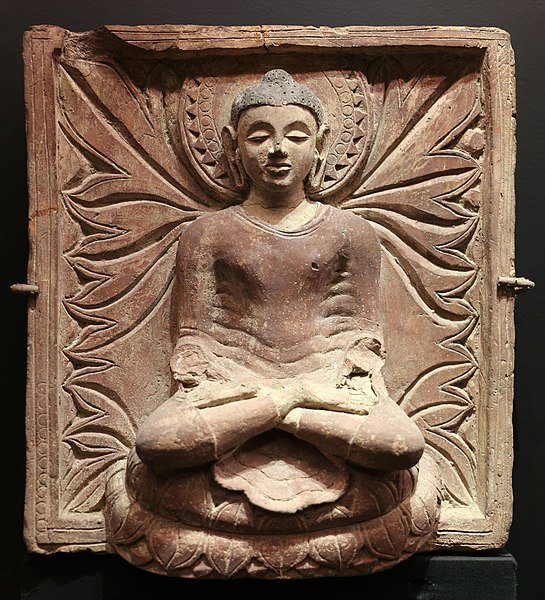
Stand before Kahu-jo-Daro and you are looking at one of the most important things Sindh has to tell the world. Also, that this was once Buddhist country. Long before the Arab conquest of the 8th century, the lower Indus Valley was dotted with monasteries. The Mirpur Khas stupa was among their finest. The terracotta panels that once decorated its dome — serene Buddhas, the bodhisattva Avalokitesvara, even Hindu images like Brahma carved alongside — were made by artists working in a style that blends the older Gandharan tradition with the new Gupta idiom from India.
Specialists call it a synthesis of Gandhara and Gupta, and it exists in this form almost nowhere else. That alone makes the mound worth the drive.
Then there is the detective-story appeal. The site’s own name is a clue: villagers called it “Kahu jo Daro,” Sindhi for “the large pile of ruins,” long before any archaeologist arrived. A 19th-century British commissioner dug here and sent a crystal-and-amethyst vase to the Karachi Museum. In the 1890s, railway contractors mined the stupa for fired bricks and brought the great dome crashing down. You can still read that violence in the ruin. In 1909, Henry Cousens of the Archaeological Survey of India opened the relic chamber and found a stone coffer and a crystal reliquary.
The treasures went to museums in Mumbai and beyond, but the mound stayed, and it still keeps its dignity. Walking the site with this history in your head turns a field of bricks into a story you can touch.
A Site Worth Witnessing
Honesty matters too, so here it is: Kahu-jo-Daro is in a fragile state. Brick theft, salinity and encroachment have eaten at it for decades, and conservation work has been limited. Visiting now is not just sightseeing — it is a small act of witness. Your visit, your photographs, your interest all say the same thing: this place matters, and it should be protected. Heritage travellers increasingly seek exactly this kind of destination, where the experience is real rather than polished.
And Mirpur Khas itself sweetens the trip. Also, the city is the mango capital of Sindh — come in the right season and you will eat Sindhri and Chaunsa mangoes straight from the orchards. In fact, pair the stupa with the city’s old shrines, its railway-town character and its bustling bazaars. In addition, you have a full day of exploration that most tourists to Sindh never attempt. For families, it is an easy and educational outing. For history buffs, it is essential; for photographers, the low winter light on old brick is pure gold.
History of Kahu-jo-Daro, Mirpur Khas
The story begins in the 5th to early 6th century CE. Also, Buddhism in the lower Indus region was entering its mature monumental phase. In fact, early archaeologists guessed the Mirpur Khas stupa might be 4th to 5th century. In addition, the complexity of its artwork — closely resembling the dated sites of Ajanta and Bhitargaon in India — places it firmly in the 5th to early 6th century. It was a large, brick-based stupa, its dome ringed with niches holding terracotta Buddha images. The surrounding complex included monastic buildings where monks lived and studied.
This was not an isolated shrine; it was a working monastery of the lower Sindh Buddhist world.
Centuries Beyond the 6th Century
The stupa did not freeze in the 6th century. Votive clay tablets stamped with the Buddhist formula “Ye Dharma Hetu” in 7th to 8th-century script were found at the site. The terracotta art styles found here span the 6th to 10th centuries — including a remarkable 7th-century painted image of Avalokitesvara Padmapani. Historical Indian and Arab coins turned up in the excavations too. Together, this evidence led scholars such as Derryl MacLean to argue that Buddhism was still thriving in Sindh around the 10th century.
That it only died out in these western and northwestern parts of South Asia after the Islamic conquest. Kahu-jo-Daro is therefore not just a 6th-century monument. It is a witness to Buddhism’s long, late survival in Sindh.
The Railway That Ate the Mound
Modern history found the site in the 19th century. Meanwhile, General John Jacob, the acting British Commissioner in Sindh, was the first official to take notice of the great mound. His diggings uncovered a fine earthenware vase containing pieces of crystal and amethyst, which was sent to the Karachi Museum. Then came the catastrophe: around 1890–1894, colonial-era railway contractors mined the mound for fired bricks. The primary dome and upper drum collapsed. When Henry Cousens, superintendent of the Western Circle of the Archaeological Survey of India, began formal excavation in 1909–1910, he was working on a ruin that had already been half-destroyed.
Still, he found the central relic chamber with its stone coffer and crystal reliquary, plus the great series of Gupta-era terracotta seated Buddha panels that had adorned the stupa’s exterior niches. His finds were transferred to the Chhatrapati Shivaji Maharaj Vastu Sangrahalaya in Mumbai, where they remain among that museum’s most prized holdings.
A second campaign followed in 1916–1917 under D. Also, R. Bhandarkar, who expanded the work to the wider complex — about 12 hectares — uncovering satellite stupas, two viharas and extensive votive deposits. In the decades since, the site has suffered more from neglect than from excavation: brick-robbing by local builders, salt damage, and creeping encroachment have left the mound a shadow of Cousens’ photographs. It falls under the Sindh Directorate of Antiquities, but on-the-ground conservation has been minimal. A fact that makes every responsible visit and every published photograph a small contribution to keeping the site in the public eye.
Top Things to Do in Kahu-jo-Daro, Mirpur Khas
Explore the Great Stupa Mound
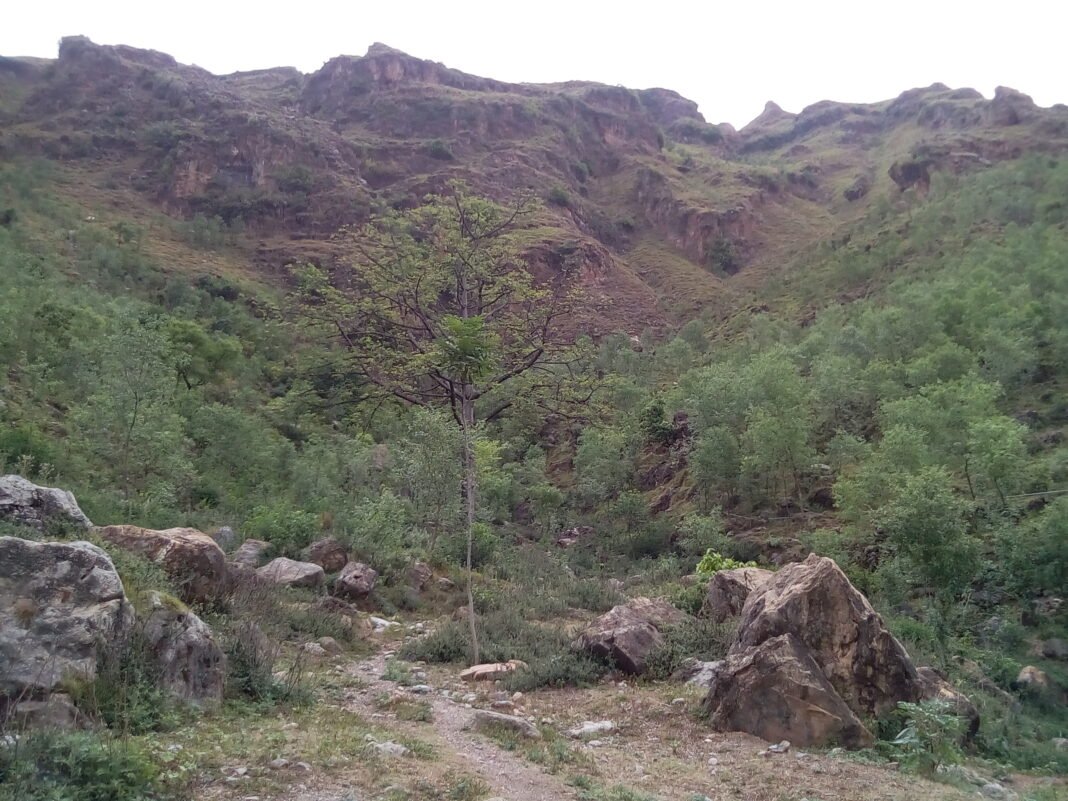
The heart of the visit is the main mound itself. Also, the ruined square brick platform and the collapsed dome core that Cousens excavated in 1909. Walk slowly around it. You can still trace the massive scale of the original structure: this was a monument built to be seen from far across the flat plain. Look for the square base lines, the layers of fired brick, and the weathered niches where terracotta Buddhas once sat. Because the site is not fenced off like a manicured museum, you get a rare, unmediated encounter with ancient brickwork — but please stay on the visible paths and never climb or remove anything.
The mound is fragile, and every brick matters.
Read the Landscape: Satellite Stupas and Viharas
With the main mound understood, look across the wider 30-acre field for the lower mounds and depressions that mark Bhandarkar’s satellite stupas and the two viharas. There are no signboards — this is exploration, not a theme park — so bring the curiosity. Also, the layout tells you how a Buddhist monastery functioned: the great stupa as the devotional centre, smaller stupas around it. In fact, the monks’ living quarters beyond. A good pair of walking shoes and a bottle of water are essential. There is no shade on the open field.
Photograph the Ruin in Golden Light
Kahu-jo-Daro is a photographer’s subject of the quiet, monumental kind. Also, the site faces west across open country. The low winter sun (November to February) rakes across the brickwork with long shadows that reveal every texture. Come early in the morning or in the last hour before sunset. Midday light on the Sindh plain is harsh and flat. Drone pilots should note the usual rules. The site is near a settled area, so keep the flight low, short and respectful of residents.
Visit Mirpur Khas City
Do not rush back after the mound. Also, Mirpur Khas is one of Sindh’s most characterful smaller cities: founded in 1806 by Mir Ali Murad Talpur of the Talpur Mirs, it grew with the railway and the Jamrao Canal (opened in 1900) into the mango and cotton powerhouse of the region. Walk the old bazaars, see the railway-station quarter, and if your trip falls in mango season, visit an orchard — the city sits in the middle of some of Pakistan’s finest mango country. The Gurdwara Pehli Patshahi, marking Guru Nanak’s visit to the city, adds a Sikh-heritage stop to the day. read our Gurdwara Pehli Patshahi, Mirpur Khas guide for its story.
Day Trip to Hyderabad
If you are basing yourself in Hyderabad, pair Kahu-jo-Daro with the old city’s sights — the Pakka Qila (the Talpur-era fort) and the lanes of the historic centre — to make a full heritage day. Also, the drive from Hyderabad to Mirpur Khas is only about 65–70 km. The stupa is an easy half-day add-on to any Hyderabad stay.
Famous Places In and Around Kahu-jo-Daro, Mirpur Khas
The Great Stupa Mound — the 5th to 6th-century Buddhist stupa itself, the centrepiece of the 30-acre archaeological site.
Satellite Stupas and Viharas — the wider monastic complex uncovered in the 1916–1917 excavations.
Mirpur Khas City — the “mango capital of Sindh,” with its Talpur-era origins, railway heritage and bazaars.
Tombs of the Talpur Mirs, Chitorri — the historic graveyard of Mirpur Khas’s founding dynasty, a short drive from the city.
Hyderabad Old City — about an hour west; the Pakka Qila and the historic bazaar lanes.
Brahmanabad–Mansura, Sanghar — the ruins of the ancient Arab capital of Sindh, a deeper dive into the region’s Islamic-era archaeology; see our Brahmanabad–Mansura guide.
How to Reach Kahu-jo-Daro, Mirpur Khas
The site sits at the edge of Mirpur Khas city, so “how to reach Kahu-jo-Daro” is really “how to reach Mirpur Khas”. And the city is well connected by road and rail. From Karachi, the drive is about 230–240 km via the M-9 Motorway and N-5 National Highway to Hyderabad, then east on the Hyderabad–Mirpur Khas road — roughly 4 to 5 hours depending on traffic.
Also, From Hyderabad itself, it is a straight 65–70 km run of about 1 to 1.5 hours. From Lahore, expect a long day: roughly 1,050–1,100 km via the M-4/M-9 corridor, best broken with an overnight stop in Multan or Hyderabad. From Islamabad, the journey is around 1,250 km — fly to Karachi or Hyderabad if you are short on time, or make it part of a longer Sindh road trip.
The nearest airport is Hyderabad Airport, about 65–70 km from the site (commercial services are limited, so check current schedules). Karachi’s Jinnah International Airport is the reliable air gateway, with frequent flights from across Pakistan. Mirpur Khas is also a railway junction, with passenger trains connecting it to Karachi, Hyderabad and other Sindh cities — a comfortable and very Pakistani way to arrive. Once in Mirpur Khas, hire a rickshaw or a taxi from the city centre or railway station to reach the archaeological mound.
The site is only a short ride away, but confirm the exact spot with the driver or a local shopkeeper, as there are no tourist signboards.
Roads to the Mound
Road conditions are good on the main highways year-round; the Hyderabad–Mirpur Khas road is a standard two-lane highway. The last stretch to the mound itself is on local tracks — fine in the dry months, but avoid driving onto the field after rain. There is no entry gate or ticket office; visits are informal. If you travel in winter, mornings can be misty on the plains — allow extra time.
Route Details
From Karachi (recommended route): Take the M-9 Motorway from Karachi toward Hyderabad (about 160 km, 2 hours). Meanwhile, At Hyderabad, join the Hyderabad–Mirpur Khas road heading east. After roughly 65–70 km (about 1–1.5 hours), you enter Mirpur Khas city. In fact, ask at any hotel or the railway-station taxi stand for “Kahu jo Daro” — drivers know the mound. The site lies just outside the built-up area; a rickshaw from the city centre takes 15–20 minutes.
From Lahore/Islamabad: Drive or fly to Karachi, then follow the Karachi route above. Alternatively, take the train to Mirpur Khas station and hire local transport. If driving the full distance, break the journey at Hyderabad and visit the stupa as a half-day excursion the next morning.
Where to Stay in Kahu-jo-Daro, Mirpur Khas
There are no hotels at the archaeological site itself — and given its fragile state, that is probably for the best. Base yourself in Mirpur Khas city, where a range of mid-range hotels and guesthouses cluster near the railway station and the main bazaar roads. These are simple, functional business-style hotels of the kind found across interior Sindh: clean rooms, air conditioning, and usually an in-house restaurant serving Pakistani and Chinese dishes. Book ahead during mango season (May–July), when traders fill the city’s rooms.
For more choice, Hyderabad (about 1–1.5 hours away) offers a wider range of hotels at every tier, and makes a comfortable base if you are combining Kahu-jo-Daro with the old city and other lower-Sindh sights. Budget travellers will find basic lodges in Mirpur Khas perfectly adequate for an overnight. Families may prefer Hyderabad’s larger hotels. Camping at the site is neither permitted in spirit nor advisable — respect the protected mound and stay in town.
Where to Eat: Local Foods of Kahu-jo-Daro, Mirpur Khas
Mirpur Khas runs on Sindhi cuisine, and you should eat like a local. Also, start with Sindhi biryani — the region’s famous, fiery version, studded with potatoes and green chillies — available at restaurants and dhabas across the city. Sai bhaji (a slow-cooked mix of spinach, lentils and vegetables) with hot rice is the home-style classic, and kadhi chawal (yoghurt-curry with rice) is comfort food Sindh swears by. In fact, wash it down with thadal, the traditional Sindhi almond-and-cardamom cooler, sold at sweet shops and roadside stalls.
Then there is the fruit. Also, Mirpur Khas sits in the heart of Sindh’s mango belt, and in season (roughly May to July) you can buy Sindhri and Chaunsa mangoes — arguably the best in Pakistan — from orchard gates and city fruit markets at a fraction of city prices. The city’s bazaars also have excellent fresh barfi, gulab jamun and other mithai from old sweet shops. A full dhaba meal in Mirpur Khas is budget-friendly by Pakistani standards. Expect to eat very well for a few hundred rupees. Stick to busy, well-patronised eateries and drink bottled water, as you would anywhere in interior Sindh.
Weather in Kahu-jo-Daro, Mirpur Khas
Mirpur Khas has the classic lower-Sindh climate: long, ferociously hot summers and short, mild winters. The stupa field has no shade at all. Also, the season you choose genuinely shapes the visit. Winter is kind; summer is punishing — plan accordingly.
| Season | Temperature Range | Conditions |
|---|---|---|
| Winter (Nov–Feb) | 8–25°C | Mild, dry and pleasant; cool mornings with occasional mist; the best season for walking the site. |
| Spring (Mar–Apr) | 20–35°C | Warming up fast; still workable for early-morning visits; mango trees begin flowering. |
| Summer (May–Jul) | 35–45°C | Extremely hot; mid-April to late June are the region’s harshest weeks — avoid the site in the afternoon. |
| Autumn/Monsoon (Aug–Oct) | 28–38°C | Hot with occasional monsoon showers; humidity can be high; the field may be muddy after rain. |
Language and Culture of Kahu-jo-Daro, Mirpur Khas
Sindhi is the language of the streets, the bazaars and the fields around Mirpur Khas. Also, Urdu is widely understood and works everywhere. In the surrounding rural areas you may also hear Dhatki (Thari) from the desert communities to the east. Sindh is famous for its hospitality — Sufi-influenced, welcoming, and proud of its heritage — and visitors to the stupa are often met with genuine curiosity and kindness from nearby residents.
Dress modestly (loose clothing covering shoulders and knees is the norm), greet people with “Assalam-o-Alaikum,” and ask permission before photographing anyone. If a local caretaker or resident offers to show you around the mound, accept graciously. And a small tip is appreciated. Remember that for many locals, this is just “the old mound”. Your interest in its history is often the most surprising and pleasing part of your visit to them.
Shopping in Kahu-jo-Daro, Mirpur Khas
The bazaars of Mirpur Khas are the place to shop. Also, look for Sindhi ajrak (the block-printed shawl of Sindh) and Sindhi topi caps with their mirror-work embroidery — both are made locally and make meaningful souvenirs. In mango season, nothing beats a crate of fresh Sindhri or Chaunsa mangoes to take home. In fact, the city’s sweet shops sell excellent mithai by the kilo. There are no craft malls or tourist shops at the stupa site itself, and no shopping mall of note near the destination — shop in the city, where the real Sindhi market is.
Travel Tips for Kahu-jo-Daro, Mirpur Khas
Packing Essentials
The 30-acre site has no shade and no vendors. Wear sturdy closed shoes.. As a result, sun protection is non-negotiable: a wide-brimmed hat, sunscreen, sunglasses and at least a litre of water per person, The field is uneven with broken brick. Bring a camera with a zoom lens for detail shots of brickwork, and carry a power bank. A printed or offline map helps, since mobile data can be patchy at the mound.
Safety Tips
Mirpur Khas is a settled, peaceful agricultural city, and the site visit is straightforward. Also, go in daylight hours, keep valuables out of sight, and let your hotel know your plans. In fact, do not climb the mound, do not remove bricks or pottery shards (it is a protected antiquity), and keep a respectful distance from any grazing livestock or farm boundaries around the field.
Money & Connectivity
ATMs and banks are plentiful in Mirpur Khas city — withdraw cash there, as there are no facilities at the site and small vendors are cash-only. Also, jazz, Telenor, Zong and Ufone all cover Mirpur Khas. Signals are generally fine in the city but can drop at the open field. Carry cash for rickshaws, food and small purchases.
Best Time to Visit Kahu-jo-Daro, Mirpur Khas
Winter (November–February): The Ideal Season
This is the season the site was made for. Also, daytime temperatures sit in the comfortable teens and twenties, the light is soft and golden. You can walk the whole 30-acre field without wilting. Morning mist on the plain adds atmosphere to photographs. Plan your trip in these months if you can.
Spring (March–April): Still Good, Getting Warm
Early mornings remain pleasant and the surrounding orchards are in flower, but by April the heat is building. Visit the mound at sunrise, retreat to the city by late morning, and you will be fine.
Summer (May–July): Only for the Determined
Mid-April to late June brings the harshest heat of the year to lower Sindh, with temperatures pushing 45°C. If you must come now — mango season’s pull is real — see the stupa at dawn, carry plenty of water, and spend the afternoons in the air-conditioned city. Honestly, this is the one season to avoid if the site is your main reason for coming.
Autumn (August–October): Hot but Possible
Temperatures ease gradually after the monsoon, but September can still be very warm and humid. October is usually comfortable enough for a morning visit, and the fields are green after the rains.
Final Thoughts
Kahu-jo-Daro will never be Mohenjo-daro — it lacks the scale, the signage and the fame. But in some ways it is the more moving experience: a great Buddhist monument of the 5th century standing quietly in the mango country, its finest sculptures scattered in museums from Mumbai to the world, its dome brought down by railway contractors, its bricks still being carried away. Also, it is history without a safety net, and it needs visitors who understand what they are looking at.
Come in winter, walk the field slowly, and then go and eat mangoes in the city whose name means “the special town of the Mirs.” You will have seen something most Pakistanis have never seen. And you will leave with a story worth telling. If you are building a heritage trail through Sindh, this stupa belongs on it. For more ideas on exploring the country’s historic corners, browse our Explore Pakistan collection.
FAQs
Where is Kahu-jo-Daro located?
At the edge of Mirpur Khas city in lower Sindh, about 65–70 km east of Hyderabad and roughly 230–240 km from Karachi. Also, the archaeological site covers about 30 acres.
What is Kahu-jo-Daro famous for?
Its 5th to early 6th-century Buddhist stupa and the exquisite Gupta-era terracotta reliefs found there, now displayed in major world museums. It is key evidence that Buddhism thrived in Sindh until around the 10th century.
What is the best time to visit Kahu-jo-Daro?
November to February. Also, temperatures are mild (8–25°C) and the light is ideal for exploring and photography. In fact, avoid mid-April to late June, the region’s hottest weeks.
How do I reach Kahu-jo-Daro from Karachi?
Drive about 230–240 km via the M-9 Motorway to Hyderabad and then east to Mirpur Khas (4–5 hours total), or take the train to Mirpur Khas station and hire a rickshaw or taxi to the mound.
A Safe Family Outing
Is Kahu-jo-Daro safe for families?
Yes. Also, Mirpur Khas is a peaceful agricultural city and the site visit is a simple daytime outing. In fact, bring sun protection and water, as the open field has no shade.
Where can I stay near Kahu-jo-Daro?
In Mirpur Khas city. Also, this has mid-range hotels and guesthouses near the railway station and bazaars. In fact, Hyderabad (about 1–1.5 hours away) offers more choice.
What local food should I try in Mirpur Khas?
Sindhi biryani, sai bhaji, kadhi chawal and thadal — and in season (May–July), Sindhri and Chaunsa mangoes straight from the orchards.
Why is Kahu-jo-Daro in such a damaged condition?
Railway contractors mined the mound for bricks in the 1890s, collapsing the dome, and decades of brick theft, salinity and encroachment followed. It is protected under the Sindh Directorate of Antiquities but has seen little conservation work — one more reason to visit responsibly and leave nothing but footprints.