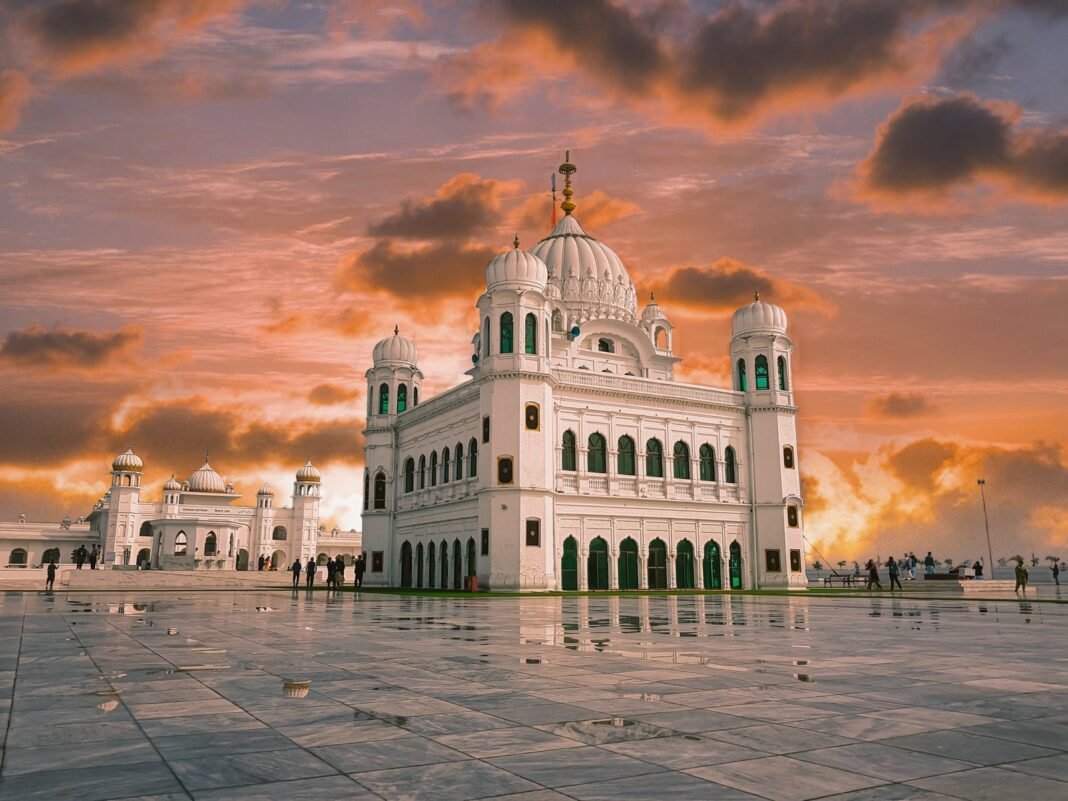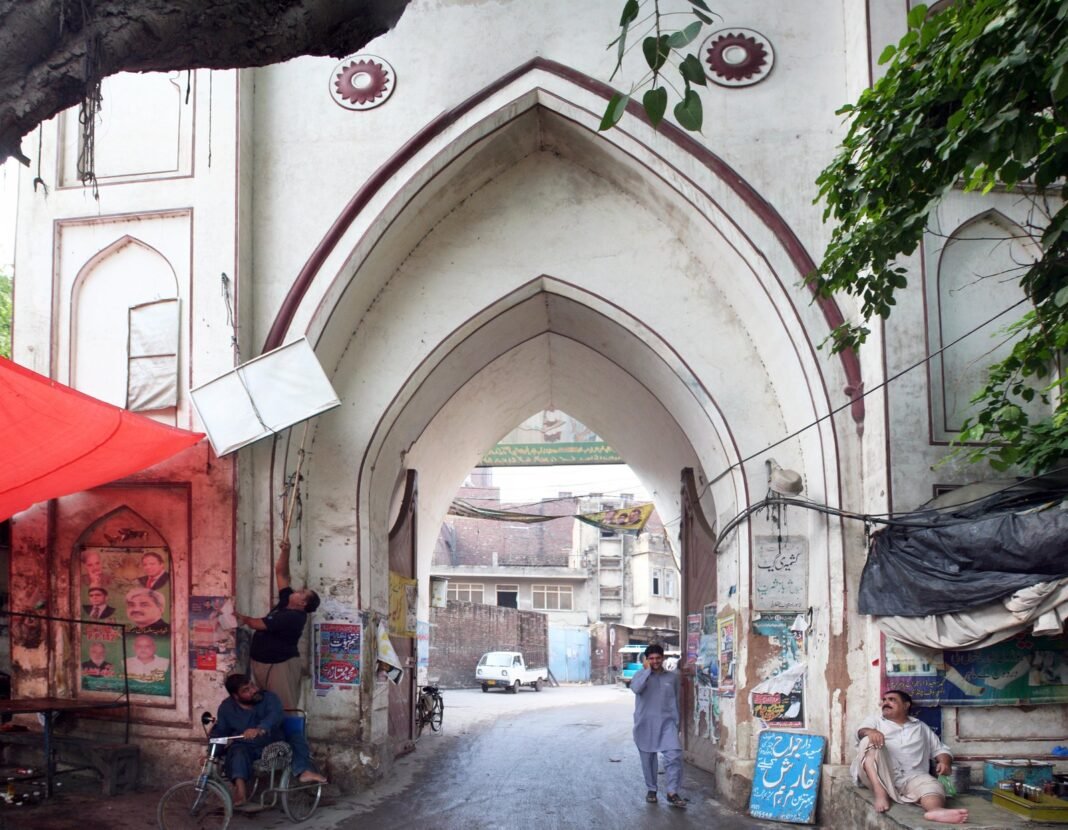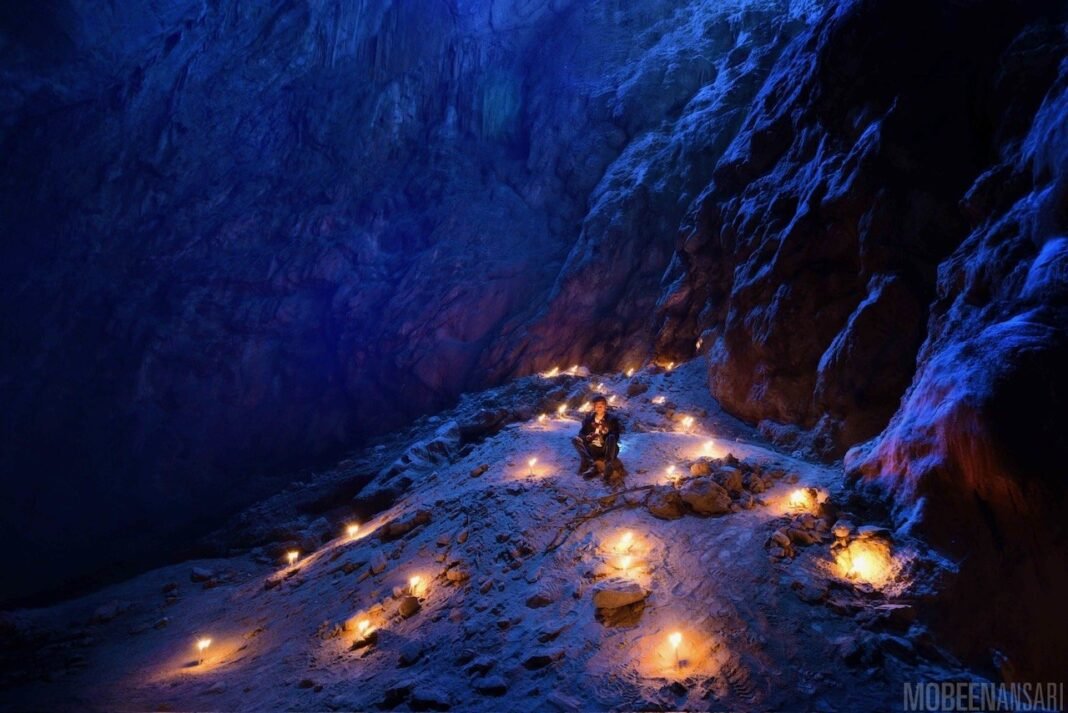
High in the Babozai and Pirsai mountains above Katlang, in Mardan District, there is a cave so vast that legend says its tunnels once stretched all the way to Kashmir. Also, its real name is Kashmir Smast — smast being an old rendering of the Pashto word smats, meaning “cave” — and it guards one of the most extraordinary forgotten stories in all of Pakistan: a hidden kingdom that ruled itself for nearly 500 years, left almost no written history. It is known to us today almost entirely through its own coins.
This is not a polished tourist attraction with ticket counters and souvenir shops. Also, Kashmir Smast is a raw, mysterious, half-excavated archaeological wonder. A series of natural limestone caves artificially expanded over centuries, where Buddhist monks meditated, Hindu pilgrims worshipped Shiva for some 800 years, and forgotten kings minted their own bronze currency. If you are the kind of traveller who would rather discover a place than merely visit it, this Kashmir Smast travel guide is for you.
Fair warning: reaching the caves takes effort — a mountain approach from Katlang, a climb. A willingness to explore somewhere genuinely off the beaten path. But that is exactly why it remains magical. While crowds queue at the famous sites, Kashmir Smast waits quietly in the hills for those who make the journey.
Quick Facts
- Location: Babozai and Pirsai mountains, Katlang area, Mardan District, Khyber Pakhtunkhwa — a mountain approach above Katlang town
- Altitude: Around 1,100 to 1,300 metres in the Sakra range
- Famous For: Vast ancient cave complex; a nearly 500-year independent kingdom (c. 4th-9th century AD) known through its own coinage; Buddhist and later Hindu Shaivite sacred site
- Nearest City: Mardan (Katlang lies to its north); Peshawar is the nearest major city
- Accessibility: Road to Katlang, then a mountain track and hike — treat it as a half-day mountain excursion, ideally with a local guide
- Known Landmarks: The Great Cave (a chamber big enough to have been a temple), the ruins of an ancient walled city below the cave, carved wooden panels (now in the British Museum)
- Best For: Adventure travellers, archaeology and history enthusiasts, hikers, photographers, and explorers who love places few people have heard of
Why Visit Kashmir Smast
Let us be honest about what Kashmir Smast is not: it is not an easy photo stop, it is not signposted like a museum. Also, you will not find a café at the top. What it is, is one of the most atmospheric ancient sites in Pakistan. A place where you can stand inside a cave chamber tall enough to have housed a temple, run your hand along walls carved fifteen centuries ago, and look down on the ruins of a walled city whose kings are known to history only because their coins survived.
A Lost Kingdom in Bronze
The story here is genuinely unique. According to recent scholarship based on a rare series of bronze coins found in the region, the caves and their adjacent valley formed a sovereign kingdom in Gandhara that kept at least partial independence for almost 500 years, from around the 4th century AD to the 9th century AD — minting its own currency straight through the Kidarite, Alchon Hun, Nezak, Turk Shahi. Also, Hindu Shahi periods. In fact, for most of that time it was ruled by White Hun (Hephthalite) governors or princes. There are very few places in Pakistan where an entire lost kingdom can be traced through its own coinage.
Kashmir Smast is one of them.
Then there is the spiritual layering. The caves began as a Buddhist monastic retreat around the 4th century CE, at the height of Gandhara civilisation. Later, for nearly 800 years, Kashmir Smast became one of the most important Shaivite pilgrimage centres in the subcontinent — archaeologists have found Shivalingas, stone sculptures of Ganesh and Vishnu, and delicate silver and bronze plaques of Radha and Krishna. Standing in the great chamber, you are standing where monks chanted, pilgrims prayed, and kings administered — all in the same stone rooms.
Finally, there is the sheer adventure of it. The approach from Katlang climbs through hills that the 1897-98 Gazetteer of Peshawar district described as “fairly and picturesquely wooded”. The very scenery that may have suggested the name “Kashmir” to early visitors. The height inside the main cave is what every visitor remembers. If your idea of travel is discovery rather than sightseeing, few destinations in Khyber Pakhtunkhwa reward the effort like this one.
History of Kashmir Smast
Kashmir Smast’s story begins with geology: a series of natural limestone caves in the Sakra range. Also, this human hands began artificially expanding sometime between the Kushan and Shahi periods. In fact, by around the 4th century CE, at the height of the Gandhara civilisation famed for its art and learning, Buddhist monks had made the caves their home. In addition, a secluded retreat for meditation, teaching, and religious ritual, chosen for its peace, natural beauty, and defensible terrain. The great chamber was large enough to serve as a temple. The monks built an organised, self-sufficient life around it.
What the Coins Revealed
What makes the site historically remarkable is what the coins revealed. A rare series of bronze coins found in the region — carrying the names of otherwise unknown rulers — shows that the caves and their valley comprised a sovereign kingdom in Gandhara that maintained at least partial independence for almost five centuries, from roughly the 4th to the 9th century AD. Also, it kept minting through successive eras — Kidarite, Alchon, Nezak, Turk Shahi. Hindu Shahi — and for most of its history was ruled by White Hun (Hephthalite) governors or princes. The kingdom’s story is written nowhere else; its coins are its chronicle.
Over the centuries the site’s religious character shifted. Meanwhile, after its Buddhist phase, Kashmir Smast became a major Hindu pilgrimage centre for nearly 800 years. Excavations have uncovered Shivalingas, sculptures of Ganesh and Vishnu, gold ornaments set with jewels, and silver and bronze Radha-Krishna plaques — evidence of flourishing Shaivite and Vaishnavite worship. In fact, some of the cave cells had wooden architectural interiors carved with elaborate Hindu and Buddhist iconography. Panels discovered by Major H.A. Deane in the 1880s, dating to the 9th-10th centuries AD, are now in the British Museum in London.
Into Western Scholarship
The site entered Western scholarship through the great 19th-century archaeologists. Also, Sir Alexander Cunningham, in The Ancient Geography of India and his Archaeological Survey reports, described the Kashmir Smast as cave temples near the summit of the Sakri ridge of Pajja, approachable from the villages of Babozai and Pirsai — and associated it with the cave of Prince Sudana on Mount Dantalok described by the 7th-century Chinese traveller Xuanzang. In fact, the detailed 1897-98 Gazetteer account noted the cave had “not been thoroughly explored,” described the ruins of a small walled city just below it “in good preservation,” and mapped the pony tracks and footpaths reaching it.
The golden age faded around the 8th century CE as Islam spread and Buddhist influence declined. Also, by the 10th or 11th century the monks, scholars, and pilgrims were gone. Today the caves are partially in ruins and much of the site still awaits proper excavation — which is precisely why visiting feels like stepping into an unfinished story. Treasure hunters have damaged parts of the complex over the years, a reminder of how fragile and precious this heritage is.
Top Things to Do in Kashmir Smast
Enter the Great Cave
The main chamber is the experience everything else builds toward. Also, the height inside is what visitors remember most. In fact, a vast stone hall, part natural and part hewn by ancient hands, that once served as a temple. Walk in slowly, let your eyes adjust, and take in the scale of it. This is the room where monks meditated and pilgrims worshipped more than a thousand years ago. Bring a good torch; there is no lighting inside.
Follow the Corridor to Its Two Turns
From the great chamber, a corridor winds deeper into the rock, turning twice before it ends. Also, exploring it gives you the true cave-temple feeling — cool air, echoing footsteps. The sense of how the complex was deliberately shaped for ritual movement. Go with a companion, watch your footing, and do not wander into unlit side passages.
Look for the Ancient City Below
A little way below the cave level, opposite the cliff, lie the ruins of a small ancient city whose walls were still standing in good preservation when the 19th-century Gazetteer described them. Also, From the cave mouth you can pick out the layout — this was the settlement of that forgotten coin-minting kingdom. It is one of the most evocative views in Gandharan archaeology: a capital you have to imagine back to life.
Study the Carvings and Masonry
Look closely at the worked stone: niches, carved motifs, and the remains of walls with religious symbols. Remember that the finest wooden panels were removed in the 1880s and now sit in the British Museum — what remains in situ is weathered but authentic. Also, photography is excellent here in the soft light of morning.
Hike the Sakra Ridge
The mountain setting is half the reward. Also, the wooded gorge below the ridge — the scenery that may have earned the place its “Kashmir” name — offers fine hiking, birdlife, and sweeping views over the Mardan valley toward the plains. In fact, allow extra time to simply walk the ridge and absorb the landscape the monks chose.
Famous Places In and Around Kashmir Smast
- Takht-i-Bhai: The spectacular UNESCO World Heritage Buddhist monastery, about 2 km east of Takht Bhai bazaar — the essential companion visit to Kashmir Smast, dating to the early 1st century AD.
- Ranigat: Another major Gandharan archaeological site in the region, rewarding a half-day including its climb.
- Shahbazgarhi: Famous for its Ashokan rock edicts, within easy reach of Mardan.
- Sahri Bahlol: The remains of a fortified Gandharan town near Takht-i-Bhai.
- Katlang Town: Your base for the ascent — a typical KP market town and the starting point of the mountain track.
- Mardan City: The district hub, with the archaeological museum and the region’s bazaars.
How to Reach Kashmir Smast
Kashmir Smast is reached via Katlang, a tehsil town north of Mardan city. From Peshawar, drive to Mardan (roughly 60 km on the N-5/N-45 corridor, about 1 to 1.5 hours), then continue north to Katlang (approximately 20-25 km from Mardan). From Islamabad, take the M-1 motorway toward Peshawar and exit for Mardan. The whole journey is roughly 110-130 km, around 2 to 2.5 hours. From Karachi, fly to Peshawar or Islamabad and continue by road. This is firmly a fly-then-drive destination.
From Katlang, the adventure begins. The caves sit in the Babozai and Pirsai mountains above the town, reached by a mountain track that is practicable for 4×4 vehicles for part of the way, followed by a hike. Also, the 19th-century surveyors described a road from Pirsai crossing the ridge “practicable for most of the distance for a good hill pony” and a footpath leading to Babozai direct from the cave. The modern route follows roughly the same lines. Do not attempt this without a local guide. Ask in Katlang for someone who knows the Kashmir Smast track.
Villagers in Babozai and Pirsai know the caves well and can lead you up. Treat the visit as a half-day mountain excursion: start early, and plan to be back down well before dark.
The nearest airport is Bacha Khan International Airport, Peshawar (about 70-80 km from Katlang), with Islamabad International as the alternative. Also, there is no public transport to the caves themselves. You need a private car or hired 4×4 to Katlang and then your feet and a guide. Road conditions on the plains are good; the mountain track is rough and best avoided in the monsoon.
Route Details
Peshawar to Kashmir Smast (approx. Also, 80-90 km to Katlang, 2-2.5 hours plus hike): Peshawar → Mardan via N-5/N-45 → north to Katlang. In Katlang, arrange a local guide and a 4×4. Drive the mountain track toward the Babozai/Pirsai side as far as vehicles can go, then hike up to the cave complex on the Sakra ridge. Allow 2-3 hours for the ascent and exploration, plus the return.
Islamabad to Kashmir Smast (approx. 110-130 km to Katlang, 2-2.5 hours plus hike): M-1 motorway toward Peshawar, exit at the Mardan/Rashakai interchange, then as above via Mardan to Katlang. This makes a long but feasible day trip from the capital if you start at dawn. Though an overnight stay in Mardan is more relaxed.
Where to Stay in Kashmir Smast
There is no accommodation at the caves — and that is part of their charm. This is a wilderness archaeological site, not a resort, so plan to sleep in the towns below.
Mardan city is the practical base, with a range of budget and mid-range hotels and guesthouses catering to business travellers and tourists. Also, staying in Mardan puts you within easy reach of Katlang in the morning and of Takht-i-Bhai, Shahbazgarhi. The city museum for the rest of your Gandhara circuit. Katlang town itself has only very basic options — fine for the hardy, but most visitors will be happier in Mardan. Peshawar, about an hour south, offers the full range from luxury hotels to heritage guesthouses if you are touring the region more broadly. Camping at the caves is not advisable: the site is unprotected, exposed.
It has no facilities — go up and come back down the same day.
Where to Eat: Local Foods of Kashmir Smast
Eat before you climb. There are no restaurants, dhabas, or shops at the caves, so carry your own food and plenty of water for the excursion. This is non-negotiable in the warmer months.
Your culinary reward comes before and after, in the towns. Mardan and Katlang serve classic Khyber Pakhtunkhwa fare: chapli kebabs sizzling on roadside griddles, chicken or lamb karahi, daal with fresh tandoori naan, and qehwa (green tea) to finish. Village dhabas around Katlang do simple, honest food — lentils, seasonal vegetables, and bread baked to order — at very budget-friendly prices. In Mardan city you will find more variety, including barbecue platters and the region’s beloved kabuli pulao. Pack dry snacks, fruit, and at least two litres of water per person for the hike. There is no potable water at the site.
Weather in Kashmir Smast
The caves sit above 1,100 metres. The air is cooler and fresher than on the Peshawar plain below — but the approach still crosses the hot lowlands. Also, the cave chambers offer no shade from the region’s fierce summer sun on the climb. Winter is the sweet spot: crisp, clear, and perfect for hiking. The monsoon (July-August) brings heavy rain to Mardan — over 110 mm a month — making the mountain track slippery and best avoided.
| Season | Temperature Range (Mardan valley) | Conditions |
|---|---|---|
| Winter (Dec-Feb) | Approx. 4-20°C | Cool, clear, ideal for the climb; cold mornings — carry a warm layer for the ridge |
| Spring (Mar-Apr) | Approx. 11-30°C | Pleasant and green; wildflowers on the hills; excellent hiking weather |
| Summer (May-Jun) | Approx. 21-41°C | Severe heat on the plains; climb only at dawn, carry extra water, or postpone |
| Autumn (Oct-Nov) | Approx. 9-32°C | Clear skies, comfortable temperatures; one of the best windows for the excursion |
Note: July and August are monsoon months with heavy rainfall and high humidity — the mountain track becomes treacherous. Temperatures at the caves themselves run a few degrees cooler than the valley figures above.
Language and Culture of Kashmir Smast
This is Pashtun country — the Yusufzai heartland — and Pashto is the language of the villages around the caves. Also, Urdu is widely understood in Katlang and Mardan, and you will manage with Urdu plus a friendly attitude. English is limited outside the cities, which is another reason a local guide is invaluable.
The culture here is traditional and rural, and visitors should match that respectfully. Also, dress modestly — long trousers and covered shoulders for everyone; women should carry a headscarf. Always greet elders, ask permission before photographing people, and accept hospitality (a glass of qehwa, a seat in the shade) with good grace — refusing can offend. The caves are an archaeological and sacred site: do not deface walls, remove stones, or disturb anything you find. Treasure hunting has already damaged parts of the complex; responsible visitors are part of its protection. If you are visiting during Ramadan, be discreet about eating and drinking in villages during fasting hours.
Shopping in Kashmir Smast
There is nothing to buy at the caves — come prepared. But the towns below offer authentic KP shopping. Mardan’s main bazaars are the place for Peshawari chappals (the region’s famous handcrafted leather sandals), traditional khes shawls, dry fruits, and everyday goods at local prices. Also, Katlang’s smaller market covers practical needs — snacks, water, and basic supplies for the climb. If you are combining the trip with Peshawar, the old city’s Qissa Khwani and Namak Mandi bazaars are legendary for handicrafts, gemstones, and Peshawari cuisine. Buy any Gandharan-style souvenirs from legitimate shops, never “antiquities” offered near archaeological sites.
That trade is illegal and destroys heritage.
Travel Tips for Kashmir Smast
Packing Essentials
Sturdy hiking shoes with ankle support (the track is rocky and uneven), a powerful torch or headlamp (the caves are unlit), at least two litres of water per person, dry snacks, sun protection, a basic first-aid kit. Also, a fully charged phone. A walking stick helps on the steeper sections. Carry a scarf — useful for sun, dust, and village etiquette.
Safety Tips
Never go alone and never go without a local guide. The caves are remote, unlit, and unguarded. Also, the mountain track has steep drops in places. Start early and be off the ridge before dark. In fact, tell someone your plan. Stay on the known paths — side tunnels and unlit passages can be dangerous. The security situation in KP varies. Check current travel advisories and, if in doubt, travel with a reputable local tour operator. Respect the archaeology absolutely: take only photographs.
Money & Connectivity
Carry all the cash you will need. There are no ATMs beyond Katlang town, and none anywhere near the caves. Mobile signals (Jazz, Telenor, Zong) work in Katlang and patchily on the lower slopes but fade as you climb. Download offline maps in advance. There are no food, water, or toilet facilities at the site, so plan accordingly.
Best Time to Visit Kashmir Smast
October to March — The Prime Window
This is the season every Kashmir Smast travel guide should recommend. Also, cool, clear days, comfortable climbing temperatures, and crisp views from the ridge. In fact, the winter light inside the cave mouth is beautiful for photography. The wooded gorge below shows its best colours in autumn.
March to April — The Green Season
Spring brings wildflowers to the hills and pleasant temperatures. Also, a lovely time for the combined Gandhara circuit of Kashmir Smast, Takht-i-Bhai. Shahbazgarhi — though carry sun protection as the days warm up.
May to August — Not Recommended
Summer on the Peshawar plain is severe (40°C and above). Also, the monsoon months of July and August bring heavy rain that makes the mountain track slippery and dangerous. Unless you are an experienced hiker starting before dawn, give these months a miss.
Final Thoughts
Kashmir Smast is not for everyone — and that is precisely its gift. Also, it asks for effort, a guide, a climb, and a tolerance for the unfinished. In return it offers something almost no polished heritage site can: the feeling of discovery. Standing in the great chamber, looking down at the ruined walls of a kingdom known only through its coins, you understand why the monks chose this ridge and why pilgrims climbed it for eight centuries.
If you travel to learn rather than just to see, put Kashmir Smast on your Khyber Pakhtunkhwa itinerary — ideally paired with Takht-i-Bhai and the other Gandharan wonders of Mardan. Go in the cool months, go with a local, tread lightly, and carry the story home. For more journeys into Pakistan’s hidden heritage, browse our Explore Pakistan series — including the ancient temples of Amb, another echo of the region’s layered past.
FAQs
Where is Kashmir Smast located?
Kashmir Smast is a cave complex in the Babozai and Pirsai mountains above Katlang town, in Mardan District, Khyber Pakhtunkhwa — at an altitude of around 1,100 to 1,300 metres.
What is the best time to visit Kashmir Smast?
October to March. Also, the weather is cool and clear for the mountain climb. In fact, Avoid May to August (extreme heat and monsoon rains make the track dangerous).
How do I reach Kashmir Smast?
Drive to Katlang via Mardan (from Peshawar or Islamabad), arrange a local guide and 4×4 in Katlang, then take the mountain track and hike up to the caves on the Sakra ridge. It is a half-day excursion.
Safety and Practical Planning Tips
Is Kashmir Smast safe to visit?
With a local guide, a companion. Also, a daytime visit in the right season, yes. Never go alone, stay on known paths, carry water and a torch, and check current KP travel advisories before going.
Is Kashmir Smast suitable for families?
Only for active families with older children who can handle a rocky mountain hike. Also, it is not suitable for small children, elderly visitors, or anyone with mobility issues. In fact, there are no facilities at the site.
Where can I stay near Kashmir Smast?
Mardan city is the practical base, with budget and mid-range hotels. Also, there is no accommodation at the caves themselves; it is strictly a day excursion.
What food is available at Kashmir Smast?
None at the site — carry your own food and water. Also, Mardan and Katlang offer classic KP food: chapli kebabs, karahi, daal with tandoori naan, and qehwa.
Why is it called Kashmir Smast if it is in Mardan?
Smast comes from the Pashto smats (cave). The 1897-98 Gazetteer suggested the wooded gorge reminded visitors of Kashmir. Another legend says the cave tunnels were believed to stretch all the way to Kashmir.