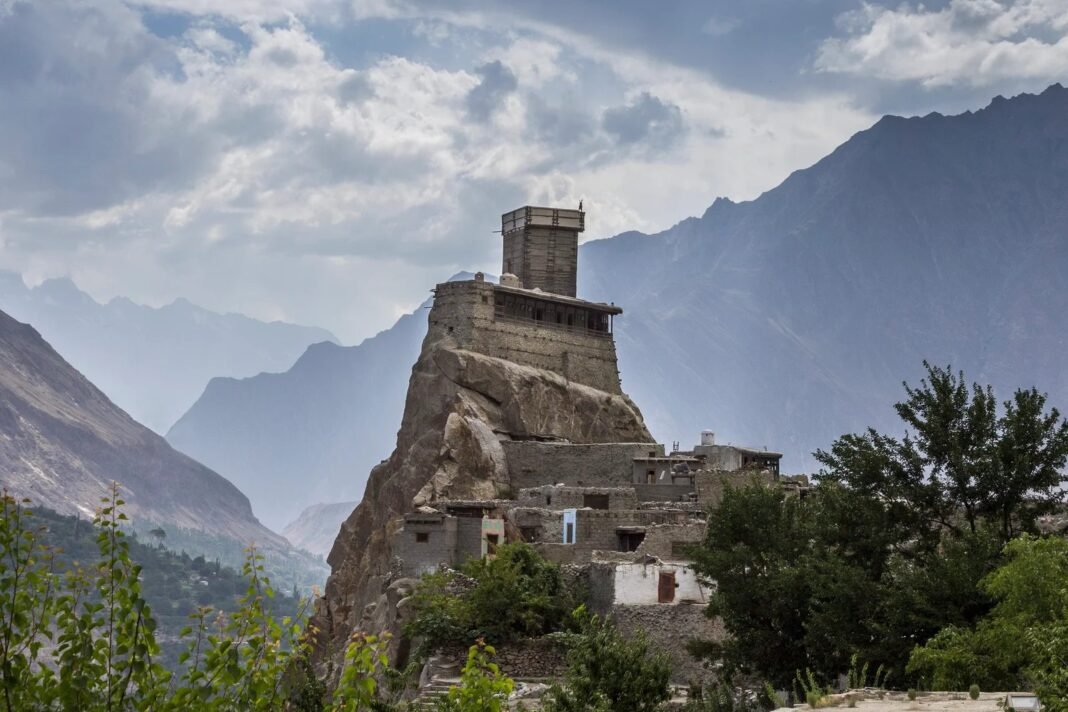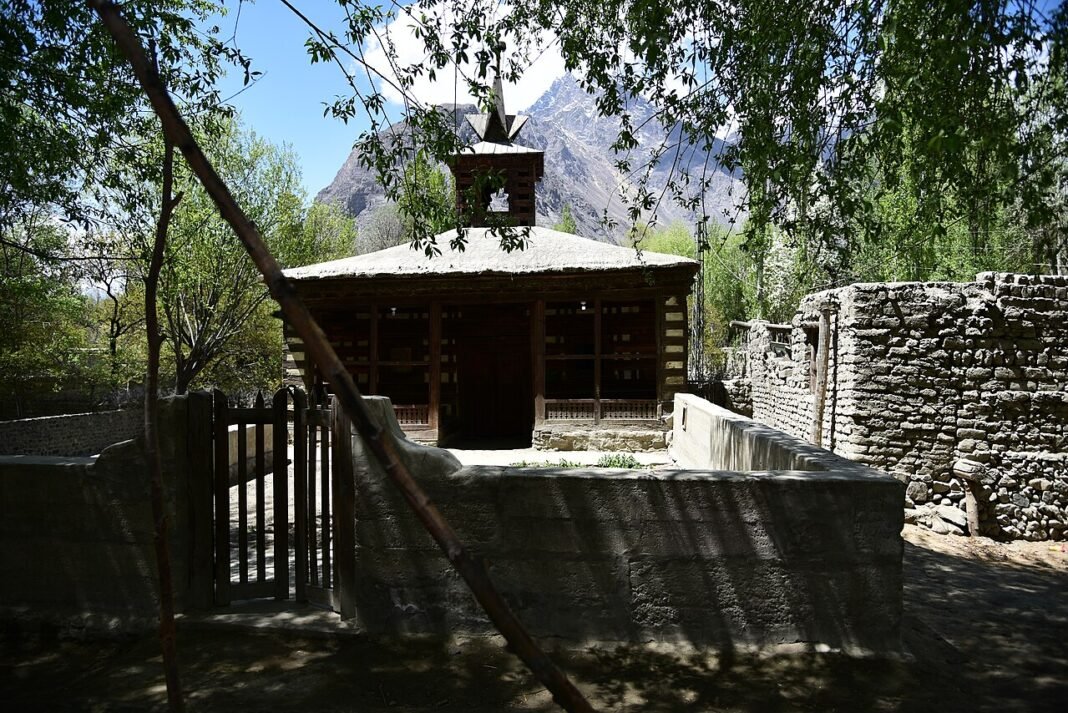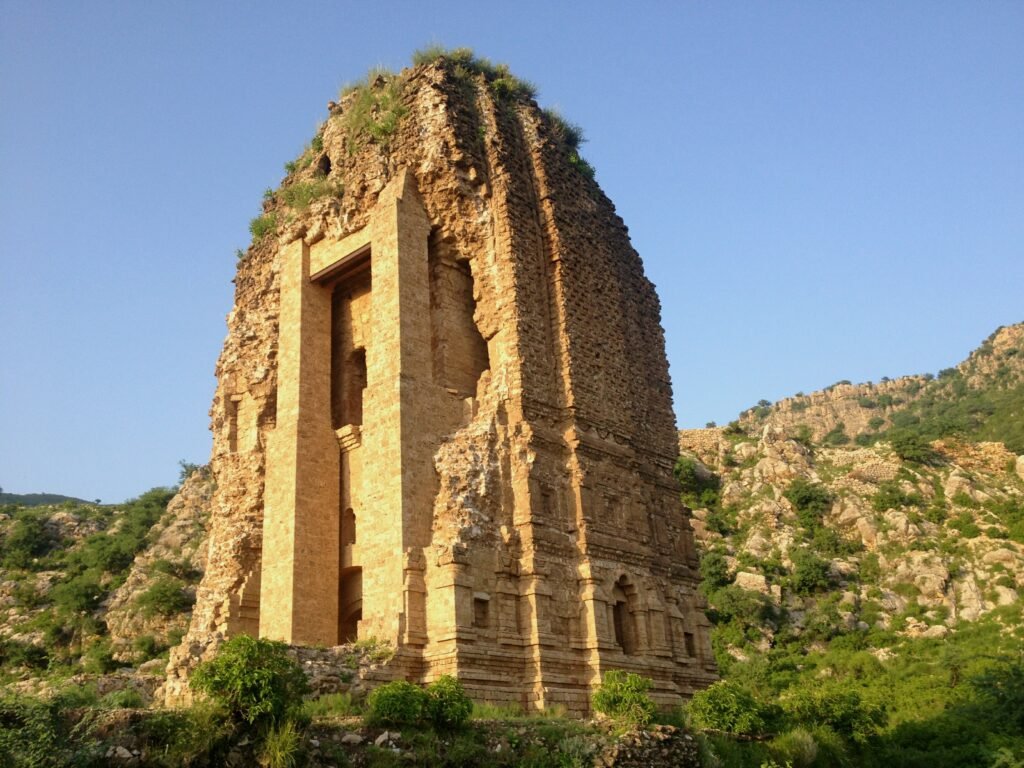
High in the Salt Range mountains of Punjab, above the green folds of the Soon Valley, stand two stone temples that have watched over the land for more than a thousand years. The Amb Temples, also known as Amb Sharif, are the westernmost link in a chain of ancient Hindu temples that once crowned the ridges of the Salt Range. If you are looking for a destination that combines real archaeology, mountain scenery, and quiet adventure without the crowds of the big tourist valleys, this Amb Temples travel guide will tell you everything you need to know.
Quick Facts
- Location: Near Amb Sharif village, on Sakesar mountain, Soon Valley, Khushab District, Punjab, Pakistan
- Coordinates: Around 32.50 N, 71.93 E, on the western edge of the Salt Range
- Altitude: Around 1,500 metres at the ridge where the temples stand; the nearby Sakesar peak rises to 5,010 feet (1,530 metres)
- Famous For: 9th to 10th century Hindu Shahi temples in Gandhara-Nagara style; the tallest temple built by the Hindu Shahi dynasty; ancient fortification walls
- Nearest City: Khushab (district headquarters); the main town of the Soon Valley is Naushera
- Accessibility: Motorable road from Islamabad, Lahore, and Sargodha into the Soon Valley, then a hill drive up to Amb Sharif village followed by a short walk to the temples
- Known Landmarks: The main temple (around 15 to 20 metres tall), the smaller two-storey temple near the cliff, the surrounding fort ruins, Sakesar peak, Uchali and Khabbaki lakes
- Best For: History lovers, archaeology enthusiasts, photographers, adventure travellers, and families who enjoy mountain drives and short hikes
Why Visit Amb Temples
Pakistan is full of Gandhara ruins in the north, but the Salt Range temples belong to a different, much less visited chapter of the same story. The Amb Temples were built by the Hindu Shahi dynasty between the 9th and 10th centuries CE, at a time when Hindu kings ruled the land between the Indus and the Afghan mountains. Walking among these ruins, you are walking through a chapter of history that almost nobody talks about, and that alone makes the trip worthwhile.
The setting does half the work. The temples stand on a high hill overlooking the Soon Valley, with the valley’s lakes and patchwork fields spread out below. From the top of the main temple’s platform, the view runs across the whole valley, and on a clear day the Sakesar peak dominates the skyline. Few heritage sites in Pakistan combine a thousand-year-old monument with a mountain panorama like this.
The architecture rewards close attention. The main temple rises in three storeys on a square plinth, decorated with Kashmiri-style motifs, while a smaller temple stands about 75 metres to the west near the edge of a cliff. Researchers regard the main temple as the loftiest of all the temples built by the Hindu Shahi empire. It is not a polished museum piece. It is weathered, ruined in places, and all the more powerful for it.
Finally, this is a trip without crowds. The Soon Valley receives visitors, but the Amb Temples themselves remain quiet. You can spend an hour at the top with no one but the wind for company, take photographs without waiting your turn, and experience an archaeological site the way it was meant to be experienced. For travellers who plan heritage trips across Pakistan, this is one of the most rewarding short excursions in Punjab.
History of Amb Temples
The story of the Amb Temples begins long before the temples you see today. Archaeological remains at the site suggest it was occupied from at least the 4th or 5th century CE. The first phase of development was a fort built on the hill, probably under Kushan patronage, and the whole complex was later surrounded by a fortification. The place was already a strategic lookout over the valley before a single temple stone was laid.
The Hindu Shahi dynasty changed everything. The Hindu Shahis, an Odi Shahi dynasty of Hindu kings, ruled parts of present-day eastern Afghanistan and north-western Pakistan, including Gandhara, from 822 CE until their defeat by Mahmud of Ghazni in 1026. They were major patrons of temple building, and in the second phase of construction at Amb, their rulers commissioned the two temples that still stand, along with other structures whose ruins remain mostly buried. They also rebuilt the fort over the earlier Kushan foundations.
The smaller of the two temples was built first, in the late 9th century, followed by the larger main temple in the mid-10th century. Both belong to a distinct architectural style, sometimes called Gandhara-Nagara, that developed in the Salt Range and along the Indus between the 6th and 10th centuries. The main temple, built of brick and mortar on a square plinth, stands roughly 15 to 20 metres tall, with three storeys and stairwells leading to inner ambulatories. Its exterior is decorated with Kashmiri-style motifs including a cusped niche, though its form differs from typical Kashmiri temples, which have pointed tops. It is closer in style to the nearby Kalar temple and the Kafir Kot temple in Khyber Pakhtunkhwa.
Modern scholarship began with the British archaeologist Alexander Cunningham, who conducted the first study of the site in 1878. Cunningham’s initial report described a third temple, similar to the smaller east-facing temple that survives today, but it did not survive the restoration work of the 1920s. The Indian archaeologist Daya Ram Sahni partially restored the temples between 1922 and 1924, which is largely why they still stand. Local accounts say the main temple once had seven storeys, of which three survive, which is why the site is popularly known as Sat Ghara.
The temples have suffered from looting over the decades. According to local historians, many statues of Hindu deities that once stood here were carried away, and the last surviving statue was removed in the late 19th century and placed in the Lahore Museum. Conservation efforts continue, and the site remains an important stop on any serious exploration of the Salt Range’s Hindu heritage.
Top Things to Do in Amb Temples
Explore the Main Temple
The main temple is the centrepiece of the site. Climb its platform and study the brick-and-mortar masonry, the Kashmiri-style decoration on the exterior, and the stairwells that once led to inner ambulatories on the upper floors. Only the ground and first floors are accessible to visitors today, but even from outside, the structure’s height and proportions are impressive. Take time to walk a full circuit around the temple so you can see how the light changes on its different faces.
Visit the Smaller Temple
About 75 metres to the west of the main temple, near the edge of a cliff, stands the smaller temple. It is two storeys high, roughly 7 to 8 metres tall, and faces east toward the main temple, with a small vestibule chamber. The cliff-edge position makes it the most dramatic spot for photography at the site, and the contrast between the intimate scale of this shrine and the towering main temple tells you a great deal about how the complex was planned.
Walk the Fort Walls
The temples stand inside the remains of an ancient fortification, and walking the old walls gives you a feel for why this hilltop was occupied for so long. From the fort’s edge you get the same commanding view over the Soon Valley that the Kushan and Hindu Shahi builders valued. Look for traces of the earliest construction at the site, which dates back to the late Kushan period.
Photograph the Valley from the Ridge
Photographers should plan to arrive in the late afternoon, when the low sun turns the Salt Range ridges gold and long shadows pick out the temple’s carvings. The panorama from the temple platform takes in the Soon Valley below, the Sakesar peak, and the patchwork of villages and fields. A wide-angle lens earns its place here, but the details of the stonework deserve close-ups too.
Combine the Visit with the Soon Valley’s Lakes
The Amb Temples sit on the edge of one of Punjab’s most scenic valleys, so the smartest plan is to make them part of a full day exploring the Soon Valley. The valley’s famous lakes, Uchali and Khabbaki, lie within the same landscape, and combining a morning at the temples with an afternoon by the water makes for one of the best day trips in the region.
Famous Places In and Around Amb Temples
- Uchali Lake: A beautiful saltwater lake in the Soon Valley, popular for birdwatching and photography.
- Khabbaki Lake: Another scenic lake of the valley, surrounded by hills and village life.
- Jahlar Lake: A smaller, quieter lake that rewards visitors who go looking for it.
- Sakesar Peak: At 5,010 feet, the highest point in this part of the Salt Range; the only mountain in the area that receives snowfall in winter.
- Kanhatti Garden: A historic garden and picnic area in the Soon Valley with springs and fruit orchards.
- Nurshing Phuwar and Chambal Temple: Other heritage and scenic stops on the valley circuit.
- Katas Raj Temples: The most famous of the Salt Range Hindu temples, further east, and the natural companion visit to the Amb Temples.
- Tilla Jogian: An ancient monastic complex on another Salt Range peak, once a major centre of ascetics.
How to Reach Amb Temples
The Amb Temples are reached through the Soon Valley, which is well connected to the motorway network. The valley lies about 290 km from Islamabad, 300 km from Lahore, and 120 km from Sargodha. The last stretch from the valley floor to Amb Sharif village climbs the hill toward Sakesar, so while an ordinary car can reach the village, the final approach to the temples is best done on foot or in a high-clearance vehicle.
From Islamabad: Take the M2 motorway toward Lahore and exit at the Balkasar Interchange. Travel south through Talagang on the Khushab road (Katha road) to Jaba Mor, the first village of the Soon Valley on this side. Naushera, the main town of the valley, is about 25 km from Jaba village. Total distance from Islamabad to Naushera is roughly 240 km, taking around 4 hours. From Naushera, follow the local road toward Amb Sharif village and Sakesar.
From Lahore: Take the M2 toward Islamabad and exit at the Kallar Kahar Interchange. Drive from Kallar Kahar to Padhrar and Pail villages, the easternmost villages of the Soon Valley, and turn from Pail Chowk toward Jaba Mor. The road condition from Kallar Kahar to the Soon Valley is good. Total distance from Lahore to Naushera is about 309 km, roughly 4 to 5 hours. Alternatively, reach Khushab via the motorway and use the Mianwali Road or the Quaidabad-Sakesar or Khushab-Sakesar roads.
From Karachi: This is a long journey. Fly from Karachi to Islamabad or Lahore and continue by road, or drive the full motorway route north, which takes the better part of two days. Most visitors from Karachi combine the Amb Temples with a wider Punjab tour.
Nearest airport: Islamabad International Airport is the most practical gateway, with Lahore’s airport as the alternative. There is no airport in the Soon Valley itself.
Transport options: Your own car or a rented car with a driver is the best way to reach the temples, because the last stretch beyond the valley floor is remote. Public transport reaches Naushera, the valley’s main town, in about four hours from both Lahore and Rawalpindi. From Naushera, hire a local jeep or car for the climb to Amb Sharif village. Local drivers know the hill road, and a jeep is worth the money for comfort on the climb.
Route Details
A practical day plan looks like this. Leave Islamabad early and take the M2 to the Balkasar Interchange, then head south through Talagang toward Jaba Mor. Enter the Soon Valley and drive through to Naushera, the valley’s only town, where you can stop for fuel, food, and an ATM. From Naushera, take the road toward Amb Sharif village and climb toward Sakesar. Park at or near the village, then walk the remaining path up to the temples. Spend one to two hours exploring the two temples and the fort walls, then drive back down to Naushera for lunch or continue to Uchali and Khabbaki lakes. Coming from Lahore, swap the start: M2 to Kallar Kahar Interchange, then south through Padhrar and Pail to Pail Chowk and into the valley. In winter, start early so you are off the hill road before dark, and avoid the climb during or just after heavy rain, when hill roads turn slippery.
Where to Stay in Amb Temples
There is no hotel at the temples themselves, so visitors stay in the Soon Valley or in Khushab. Naushera, the valley’s only town, is the natural base. It has basic mid-range hotels and guesthouses where travellers stopping for the lakes and temples can spend the night, along with small restaurants and shops for supplies. Staying in Naushera puts you within an easy drive of the temples and the valley’s lakes.
For a budget trip, the simple guesthouses in Naushera and the nearby villages offer clean rooms at very reasonable rates, and many travellers prefer this option because it keeps them close to the valley’s sights. If you want more comfort, Khushab and Sargodha, both within a couple of hours, have a wider choice of mid-range hotels with standard amenities. There are no luxury resorts in the Soon Valley, and that is part of its charm.
Some visitors prefer camping. The hills and lake shores of the Soon Valley have spots suitable for tents, but check with local contacts first, bring all your own gear, and respect private land and grazing areas. Whether you stay in a guesthouse or a tent, book nothing in advance during the busy spring months only if you are comfortable with simple accommodation; in peak season the limited rooms in Naushera fill up on weekends.
Where to Eat: Local Foods of Amb Temples
The Soon Valley sits in Punjab, and its food is Punjabi food at its most honest. In Naushera and the village hotels you will find sarson ka saag with makai ki roti in the winter months, daal, chana, and seasonal vegetables cooked in desi ghee, along with tandoori roti and fresh lassi. The valley’s dairy is excellent, and a glass of fresh milk or lassi from a village shop is a small pleasure worth planning for.
Meat eaters will find chicken karahi, mutton dishes, and grilled items in the larger town eateries, while simple dhabas along the main road serve filling, budget-friendly meals to travellers. A meal at a local dhaba is very affordable, while a dinner at a better hotel restaurant in Khushab or Sargodha costs more but is still modest by city standards. Breakfast in the valley usually means parathas, omelettes, and chai, which the small hotels serve without fuss.
Pack snacks and water for the temple visit itself, because there are no shops at the archaeological site. If you are travelling in the fruit season, buy fresh fruit from the village markets. The Soon Valley’s orchards and fields mean the produce in the local bazaars is fresh and cheap, and carrying your own food also keeps the heritage site clean.
Weather in Amb Temples
The Amb Temples stand on a hill at the western edge of the Salt Range, so their weather follows the Salt Range pattern: hot summers in the valley, cooler air on the ridge, and winters that can turn genuinely cold. Sakesar, the highest peak nearby, is the only mountain in this part of Punjab that receives snowfall in winter, and the temple hill can see frost and chilly winds from December to February. Spring and autumn are the most comfortable months for climbing up to the site.
| Season | Temperature Range | Conditions |
|---|---|---|
| Winter (Dec-Feb) | 2 to 12°C in the valley, colder on the ridge | Cold, foggy mornings, occasional frost on the hill; Sakesar may see snowfall; clear, crisp views on sunny days |
| Spring (Mar-May) | 15 to 30°C | Pleasant and green, the best season for visiting; wildflowers in the valley; occasional spring showers |
| Summer (Jun-Aug) | 30 to 40°C in the valley, cooler at the temple height | Hot days, monsoon showers from July; early morning visits are most comfortable |
| Autumn (Sep-Nov) | 18 to 32°C | Clear skies, comfortable temperatures, excellent visibility; harvest season in the valley villages |
Language and Culture of Amb Temples
The Soon Valley is home to Punjabi-speaking communities, with the Awan tribe historically settled in the valley and still living there today. Urdu is widely understood and works everywhere for travellers. In the villages, the local dialect of Punjabi is the language of daily life, and a few polite words in Urdu go a long way with hosts and shopkeepers.
The culture of the valley is traditional Punjabi mountain culture: hospitality to guests, strong community ties, and a farming life organised around the seasons. As a visitor to a heritage site in a rural area, dress modestly, ask before photographing people, and remove your shoes if you enter any shrine or place of worship in the area. The temples themselves are not active places of worship, but treat them with the respect owed to any ancient monument: do not climb on fragile masonry, do not take stones as souvenirs, and carry your litter back down with you.
Shopping in Amb Temples
Naushera, the valley’s main town, has a small bazaar where you can buy daily essentials, local honey, and seasonal produce. The Soon Valley’s farms and orchards supply fresh fruit in season, and buying from the village shops supports the local economy directly. There are no tourist souvenir markets at the temples themselves, and no shopping mall anywhere near the site, so do your buying in the town.
For handicrafts and a wider selection, the bazaars of Khushab and Sargodha on the route to the valley carry Punjabi embroidery, khussas (traditional footwear), and household goods. If you pass through Kallar Kahar, its roadside shops sell the area’s famous salt products and peanuts. Keep your shopping plans modest here: this is a heritage and nature trip, not a shopping destination.
Travel Tips for Amb Temples
Packing Essentials
Bring sturdy walking shoes or hiking boots, because the path from the village to the temples is uneven and rocky. Carry a hat, sunscreen, and at least a litre of water per person, since there is no water at the site. A light jacket is wise even in summer, because the wind on the ridge can be cool, and in winter you will need warm layers. Binoculars are useful for the valley views, and a camera with a zoom lens will serve you well for both the temple details and the landscape.
Safety Tips
The Soon Valley is generally peaceful for travellers, and tourists visit its lakes and heritage sites regularly. Stick to the main paths at the temple site, keep a safe distance from the cliff edge near the smaller temple, and avoid the hill road after dark. Travel with a local driver if you are not used to mountain roads, and let someone at your hotel know your plans for the day.
Money & Connectivity
Carry cash. Naushera has ATMs and some internet cafes, but the villages and the temple site have no banking or card facilities, and small shops work on cash only. Mobile signals from the major networks reach Naushera and most of the valley road, but coverage thins out on the hill toward the temples, so download your maps offline before you leave town.
Best Time to Visit Amb Temples
Spring (March to May)
Spring is the best time to visit the Amb Temples. Temperatures are comfortable, the valley is green, and the climb to the site is pleasant. This is also the season when the Soon Valley’s lakes are at their most photogenic, so it is the ideal window for combining the temples with Uchali and Khabbaki.
Summer (June to August)
Summer visits are possible but plan around the heat. Arrive at the temples early in the morning, carry plenty of water, and spend the hot midday hours in the shade of Naushera or by the lakes. Monsoon showers from July can make the hill road slippery, so check the weather before you set out.
Autumn (September to November)
Autumn is the second-best season, with clear skies, comfortable temperatures, and excellent visibility for the valley views. The harvest season adds colour to the village landscapes, and the crowds of spring are gone.
Winter (December to February)
Winter brings cold winds to the ridge and the possibility of frost. The site is still visitable on sunny days, and the air is at its clearest, but start late enough for the morning chill to lift and finish before the early sunset. Sakesar may have snow, which is beautiful to look at from the temple hill even if you cannot drive up to it.
Final Thoughts
The Amb Temples are not the easiest heritage site to reach in Pakistan, and that is exactly why they matter. In an age when every monument has a ticket queue, this thousand-year-old complex still lets you stand alone with history. The main temple’s weathered brickwork, the smaller shrine on its cliff edge, and the fort walls that have guarded the hill since Kushan times are a complete lesson in the Salt Range’s forgotten Hindu centuries, taught in stone rather than in books.
Plan the trip as part of a Soon Valley circuit: temples in the morning, lakes in the afternoon, and a night in Naushera under a sky full of stars. Bring good shoes, bring respect for the ruins, and leave nothing behind but footprints. Few places in Punjab reward the effort as honestly as this one.
FAQs
Where are the Amb Temples located?
The Amb Temples stand near Amb Sharif village on Sakesar mountain in the Soon Valley, Khushab District, Punjab, on the western edge of the Salt Range.
What is the best time to visit the Amb Temples?
March to May is the best season, with autumn (September to November) as the second-best window. Both offer comfortable temperatures and clear views.
How do I reach the Amb Temples?
Drive into the Soon Valley from the M2 motorway (Balkasar Interchange from Islamabad, Kallar Kahar Interchange from Lahore), reach Naushera, then take the hill road to Amb Sharif village and walk up to the site.
Are the Amb Temples safe to visit?
Yes. The Soon Valley is peaceful and regularly visited by tourists. Use normal mountain-travel caution, avoid the cliff edge, and do not drive the hill road after dark.
Are the Amb Temples suitable for families?
Yes, for families with children who can manage a short uphill walk. The path is rocky, so very small children and elderly visitors should take it slowly.
Where can I stay near the Amb Temples?
Naushera, the valley’s main town, has basic hotels and guesthouses. For more comfort, stay in Khushab or Sargodha and visit the temples as a day trip.
What food is available near the Amb Temples?
Punjabi food in Naushera and the villages: sarson ka saag and makai ki roti in winter, daal, chana, karahi, fresh lassi, and seasonal fruit. Carry your own snacks and water for the site itself.
What is special about the Amb Temples’ architecture?
The main temple is regarded as the loftiest of all temples built by the Hindu Shahi dynasty, in the Gandhara-Nagara style with Kashmiri-style decoration. The smaller temple, built first in the late 9th century, stands dramatically on the edge of a cliff.