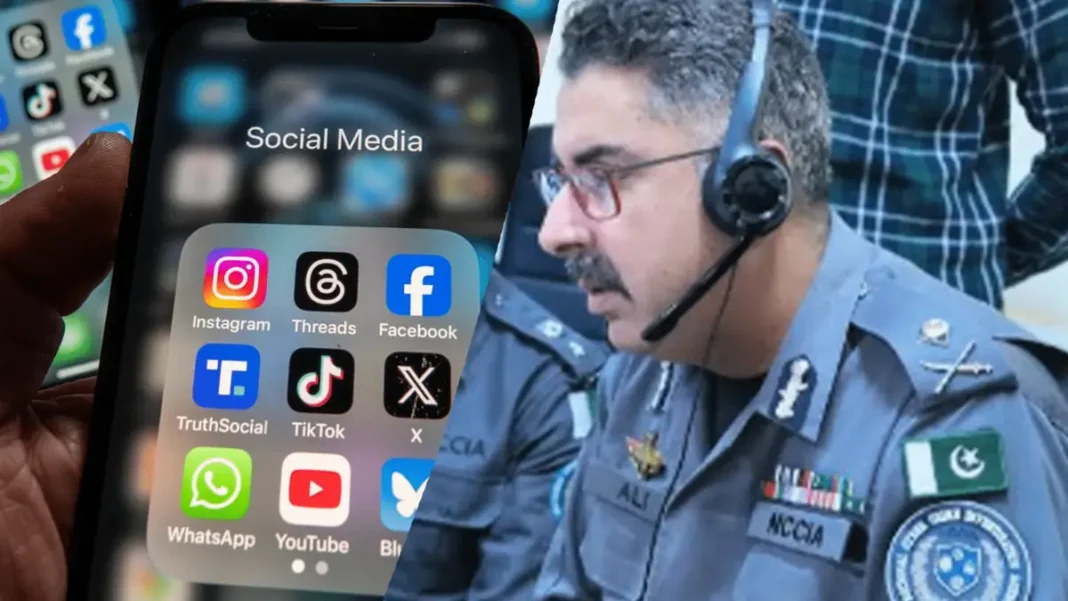
The NCCIA warning tells Pakistanis to keep four personal details private: their Computerised National Identity Card (CNIC) numbers, bank details, passwords and one-time passwords (OTPs). The National Cyber Crime Investigation Agency issued the advisory after a rise in fraud cases linked to careless sharing of personal information.
The agency warned citizens against sharing personal details with strangers or unverified online sources, saying careless disclosure can lead to fraud, identity theft and financial loss.
People should never share passwords or OTPs with anyone, including callers who claim to represent a bank or another organisation. The advisory also tells citizens not to enter personal details on suspicious links, unknown websites or unverified online platforms.
What the NCCIA warning covers
The advisory names four details that must stay private at all times: the CNIC number, which opens the door to identity theft when it falls into the wrong hands, and bank details and account information, which fraudsters use to move money out of accounts.
The third and fourth are passwords and OTPs. An OTP is a code a bank or service sends to confirm a transaction or a login. Anyone who holds it can act as the account holder, which is why the NCCIA stresses that no genuine bank officer will ever ask for it.
Citizens should share sensitive information only when necessary, and only with trusted sources. The agency also urged internet users to stay careful when they receive messages, calls or online requests from unknown people. ProPakistani reported the advisory on Monday.
NCCIA warning follows a run of scam alerts
The advisory is the latest in a run of warnings from the agency. Earlier on Monday, the NCCIA warned the public about fake messages promising a Rs13,000 cash reward, as reported in NCCIA warns of fake Rs13,000 cash reward messages. Fraudsters use such messages to collect personal details and then target their victims.
The pattern extends beyond text messages. Police in Lahore recently raided illegal call centres used to defraud citizens, covered in Lahore illegal call centres raided. The Higher Education Commission has also warned students about fake agents, reported in HEC warns of fake attestation agents.
The scale of online fraud is a global concern too. Binance, the crypto exchange, is closing accounts in four European countries under new rules, as reported in Binance closing crypto accounts in four EU states. The common thread is the same: criminals exploit trust, and the best defence is to keep personal details private.
What to do if you shared your details
Anyone who has already shared a password or OTP should act at once. The first step is to contact the bank through its official helpline and ask it to block the account or card. Passwords for email and banking apps should be changed from a safe device.
The incident should also be reported to the NCCIA so the agency can trace the fraudsters and warn others. Keeping a record of the caller’s number, the message and the time of the call will help the investigation.
Prevention remains the simplest defence. A bank will never ask for a password or OTP by phone, text or email. A message that creates urgency, such as a threat to block an account, is a common sign of a scam. Citizens should check such claims through the bank’s official number, not by clicking a link in the message.
Frequently asked questions
What four details does the NCCIA warning cover?
The NCCIA says citizens should keep their CNIC numbers, bank details and account information, passwords and one-time passwords (OTPs) private. These should never be shared with strangers or anyone claiming to represent a bank.
Why should OTPs never be shared?
An OTP confirms a transaction or a login. Anyone who holds it can act as the account holder. No genuine bank officer will ever ask for a password or OTP by phone, text or email.
What should I do if I clicked a suspicious link?
Do not enter any personal details on the page. Contact your bank through its official helpline, change your passwords from a safe device, and report the incident to the NCCIA with a record of the message and the sender’s number.
How do scammers use personal details?
Fraudsters use CNIC numbers and bank details to impersonate victims, move money out of accounts and commit identity theft. The NCCIA says careless disclosure is a leading cause of such fraud in Pakistan.
Where can I report online fraud in Pakistan?
Fraud should be reported to the National Cyber Crime Investigation Agency. Citizens should also inform their bank at once so it can block the account or card and limit the loss.