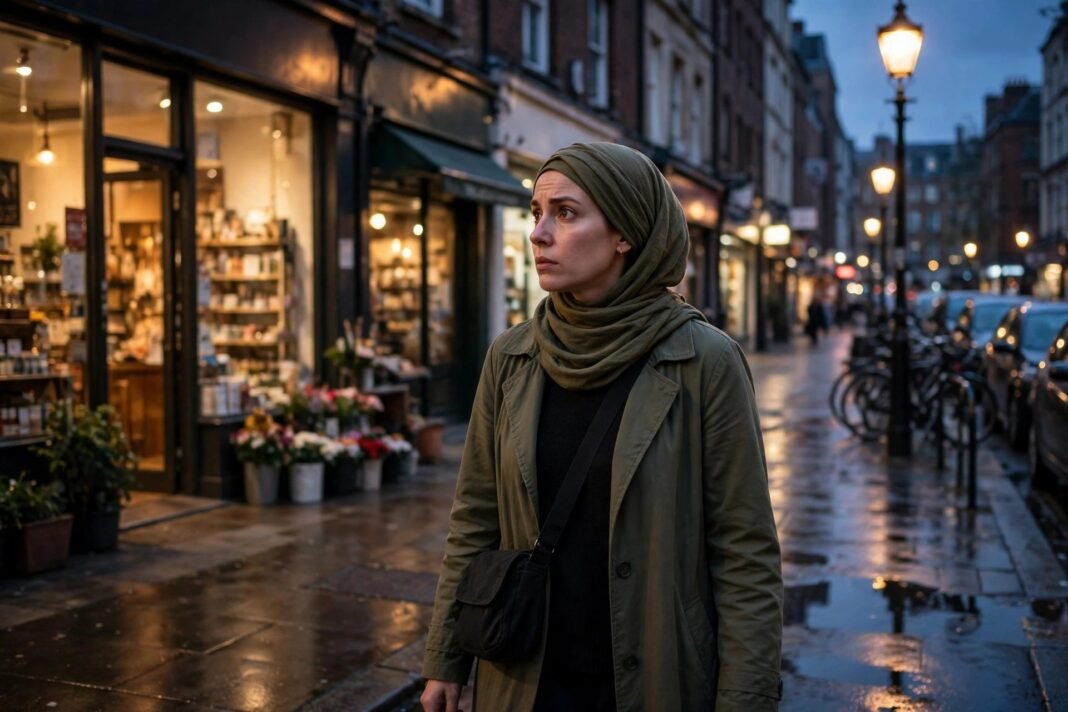

You post an opinion online. Within minutes, the replies turn ugly. Online abuse of women starts like this every day. A woman shares a view, and strangers attack her looks, her voice, and her right to speak at all.
This is not just rude comments. It is threats, sexualised insults, fake accounts, and pile-ons that can last for days. And it works exactly as the attackers want. Many women go quiet, delete their accounts, or stop speaking in public at all.
If this has happened to you, know this first: the abuse is never your fault. You did not ask for it by posting, by having an opinion, or by being visible. This guide explains why it happens, how it harms, and what you can do to protect yourself.
What Online Abuse of Women Really Looks Like
Online abuse of women takes many forms. The most common is sexist and misogynistic abuse. Attackers use gendered insults, sexual comments, and threats meant to shame and silence a woman.
Threats are common too. Some women receive direct threats of physical or sexual violence. Others face doxing, where attackers publish a home address, a phone number, or family details online.
Image-based abuse is another form. Someone shares intimate photos without consent, or creates fake sexual images with editing tools. In addition, fake accounts can impersonate a woman and post lies in her name.
Often these attacks come together. A pile-on starts when one abusive post draws in dozens of strangers. Within hours, a woman can face hundreds of hostile messages at once.
The Numbers Are Bigger Than Most People Think
A 2021 study across 51 countries found that 38% of women with internet access had personally experienced online violence. In addition, 85% had seen online violence aimed at another woman. You can read the full study on online violence against women for the details.
A poll of women in eight countries in 2017 found that nearly one in four had experienced online abuse or harassment. In the United States, the figure was one in three. Most of the women who faced abuse said the attackers were complete strangers.
Young women face it most. A 2020 survey of 14,000 girls and young women in 22 countries found that 58% had been harassed online. And 22% said they or a friend feared for their physical safety as a result.
These numbers tell a clear story. Online abuse is not rare, and it is not a few bad comments. It is a normal part of life online for millions of women, and it shapes what they dare to say.
Why Speaking Up Makes Online Abuse of Women Worse
Women who speak in public face the worst of it. Journalists, politicians, activists, and creators get targeted because their voices carry weight. Attackers want them quiet, so they attack the woman instead of her words.
A 2021 study of women journalists in 125 countries found that 73% had experienced online violence in connection with their work. For many, the abuse was designed to discredit them and push them out of public life. You can read more on the threats women journalists face on the UNESCO site.
Women in leadership face the same pattern. The more visible a woman becomes, the more abuse she attracts. In fact, abuse often spikes after a media appearance or a viral post. Our guide to women in leadership breaking the glass ceiling looks at the barriers women face when they step forward.
The abuse is rarely about what a woman said. Instead, it targets who she is. Attackers comment on her body, her age, and her voice, because the goal is to make her feel small.
When the Abuse Follows You Offline
Online abuse does not stay online. In that same eight-country poll, 42% of women in the United States and 36% in the United Kingdom said the abuse made them feel their physical safety was threatened. You can read the full findings on women’s experiences of online violence for more detail.
The study of women journalists found that 20% had also been attacked offline in connection with online violence. Threats can turn into stalking, and stalking can turn into real danger. So the line between online and offline is thinner than most people think.
That fear changes daily life. Some women change their routes, avoid events, or stop posting their location. Others ask family members to stay off social media too, because attackers target loved ones as well.
If threats mention your home, your workplace, or your family, take them seriously. Save the evidence and contact the police. A threat is not just words when it names where you live.
The Quiet Cost of Online Abuse of Women
The deepest harm is often invisible. Online abuse of women pushes women out of public conversation. Many women delete posts, lock their accounts, or leave platforms altogether, and their voices go missing.
The mental health cost is real. Constant abuse causes anxiety, sleeplessness, and a feeling of dread each time a phone buzzes. Over time, it can wear down confidence and joy, even for women who seem strong.
Young women learn the lesson early. When girls see women attacked for speaking up, they learn to stay quiet too. In this way, abuse shapes who gets heard and who stays silent for years to come.
This is why the problem matters beyond one woman’s feed. When women leave, public debate loses their voices, their ideas, and their leadership. Everyone is poorer for it.
Pile-Ons, Trolls and Doxing: How Attacks Work
Most attacks follow a pattern. First, one post or account targets a woman. Then others join in, often strangers who saw the original post shared into their own feeds.
Trolls look for a reaction. They post shocking comments because anger brings attention. The more you reply, the more the platform shows the thread to others, so a small attack can grow fast.
Doxing is the most dangerous tactic. Attackers dig up a home address, a workplace, or a child’s school from old posts and public records. Then they share it to frighten the woman into silence.
Fake accounts make it worse. One person can run dozens of accounts and make a small attack look like a crowd. As a result, a pile-on can feel like the whole internet turned against you, when in fact it is a handful of people.
What to Do in the First Hour After an Attack
First, do not reply to the attackers. A reply rarely changes minds, and it feeds the thread. Instead, take a breath and protect yourself before you do anything else.
Save the evidence before anything disappears. Take screenshots of the abusive posts, the usernames, the dates, and the links. Attackers often delete posts, so capture them fast.
Then lock your account down for a while. Turn off replies from strangers, limit who can tag you, and hide your follower list if the platform allows it. These steps give you room to breathe.
Tell someone you trust what is happening. You do not have to carry it alone. A friend can watch your mentions, save evidence, and report posts while you step away from the screen.
How to Report Online Abuse of Women and Get It Removed
Report every abusive post to the platform. Use the report button on the post itself, and choose the closest reason, such as harassment, hate speech, or threats.
Report the account too, not just single posts. Platforms act faster when they see a pattern. If the first report is rejected, appeal the decision and report again, because persistence often works.
For intimate images shared without consent, use the platform’s dedicated image-abuse report. It moves faster than a general report. In addition, StopNCII.org can create a digital fingerprint of an image so that participating platforms block it from being uploaded again.
Keep a record of every report. Save the reference numbers and the dates. If the platform ignores you, that record helps when you escalate the case to a regulator or the police.
Lock Down Your Accounts Before the Next Attack
Strong privacy settings make attacks harder. Review who can see your posts, your friends list, and your location. Remove old posts that show your home, your car plate, or your daily routine.
Turn on two-factor authentication on every account. It stops attackers from taking over your profile, even if they guess your password. Our guide to recovering a hacked Facebook or Instagram account explains the steps in detail.
Use a different, strong password for each account. A password manager can remember them for you. Never share login codes with anyone, even someone who claims to be from the platform.
Check your accounts every few months. Remove apps you no longer use, log out of old devices, and look at who follows you. A short check now can save a crisis later.
Where to Get Help and Support
You do not have to face this alone. Glitch, a UK charity that works to end online abuse, offers free guides on documenting abuse and reporting it to platforms and the police.
If someone shared intimate images of you without consent, the Cyber Civil Rights Initiative runs a free Image Abuse Helpline in the United States, open around the clock. It also publishes step-by-step guides for getting images removed.
StopNCII.org works across many countries. It helps adults stop intimate images from spreading by blocking matching uploads on participating platforms, without the image itself ever leaving your device.
If you feel unsafe, contact the police in your country. Online threats are a crime in many places. And if the abuse affects your mental health, talk to a counsellor or a trusted doctor. Support is not a luxury. It is part of staying safe.
Online abuse of women will not end because women stay quiet. It will end when platforms act, laws are enforced, and bystanders refuse to look away. Until then, protect yourself, save the evidence, and keep your voice.
Have you ever been attacked online for speaking up? What helped you through it? Share your story in the comments, because your words might help another woman find her voice again.
This article is for general information only. If you feel unsafe, contact the police or a support service in your country.