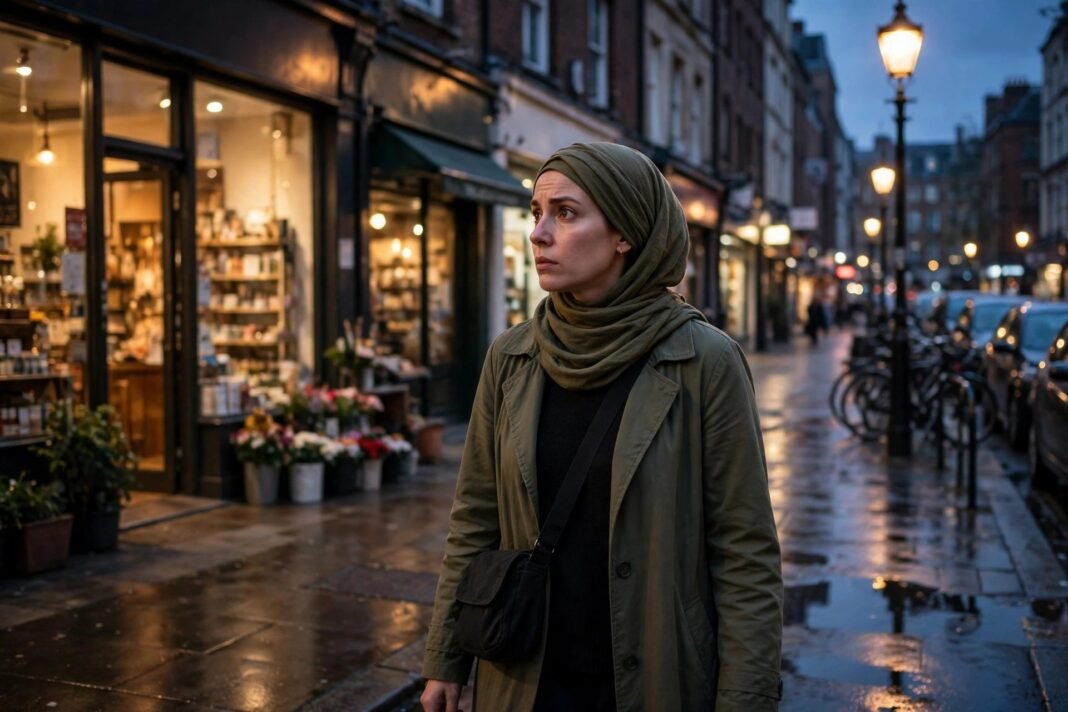
You leave work at dusk. You check the time, and then you check the street. The shortcut through the quiet lane is faster, but you take the longer road instead, because it has lights and people. If that choice feels familiar, you already know what street harassment of women does. It does not just ruin a walk. In fact, it quietly redraws the map of your whole day.
Street harassment of women means unwelcome sexual comments, gestures, and touching in public spaces. It happens on streets, on buses and trains, in parks, and outside shops. It ranges from catcalls and staring to following and groping. And it is far more common than most people admit.
What Street Harassment of Women Really Looks Like
It is not always loud. Sometimes it is a comment muttered as you pass. At other times, a man falls into step beside you and will not leave. Sometimes it is a hand in a crowded bus, or a phone camera pointed where it should not be.
The numbers show how common it is. A 2021 survey by UN Women UK, covering more than 1,000 women, found that 71% of women of all ages had experienced sexual harassment in a public space. Among women aged 18 to 24, the figure rose to 86%. Meanwhile, a 2019 national study in the United States found that 81% of women had experienced sexual harassment or assault in their lifetime, and verbal harassment was the most common form.
None of this is a compliment. A compliment does not make you walk faster. It does not make you change your route, lower your eyes, or wish you had stayed home. Street harassment of women is about power, not admiration, and the woman on the receiving end knows the difference at once.
The Route Home Is Never Just the Shortest One
Ask a woman how she gets home, and you will hear a second map. The shortest way is rarely the way she takes. Instead, she picks the road with streetlights, the bus stop near the shop that stays open late, or the station exit where other people gather.
This planning starts long before she leaves. She checks the time of sunset. Then she thinks about which streets will be empty by the time she passes. She may leave a gathering early, not because she wants to, but because the last safe bus leaves at a certain hour.
Men rarely carry this map in their heads. For women, it runs all the time, like an app they never asked to install. It shapes evening classes, night shifts, visits to friends, and even which jobs feel possible. That is the quiet tax of street harassment of women: it shrinks the world, one avoided street at a time.
Headphones, Keys, and Other Quiet Shields
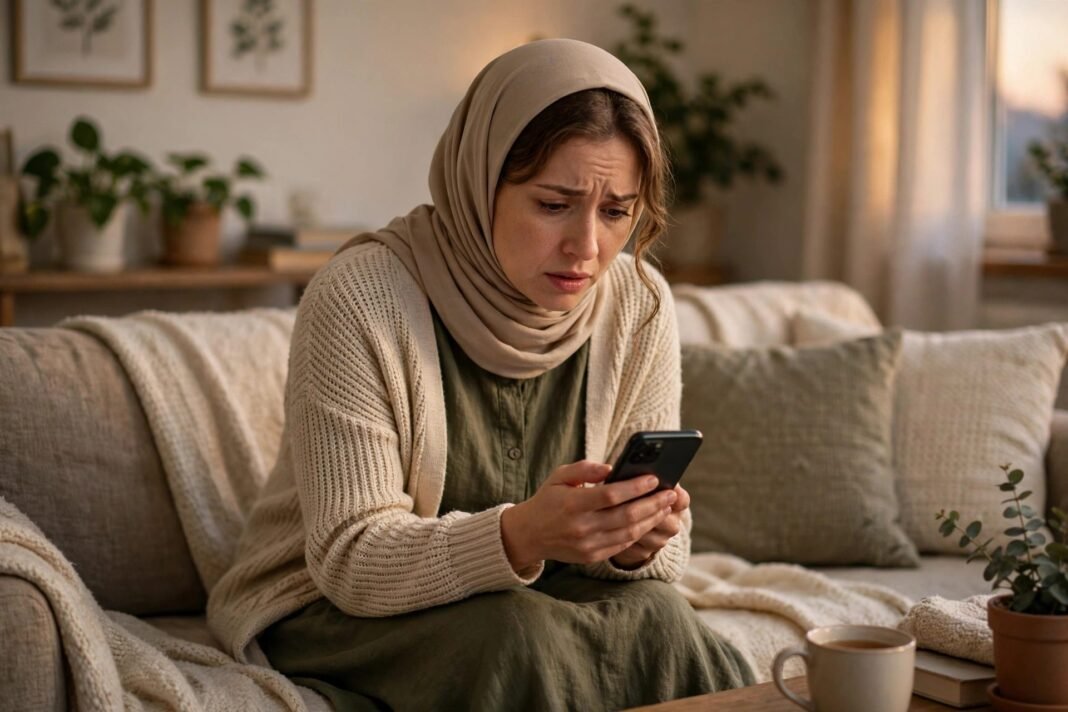
Look closely, and you will see the shields women carry. Headphones go in, sometimes with no music playing at all. A phone stays in the hand, ready to call. Keys sit between fingers on a dark street. Sunglasses stay on after sunset.
Some women change what they wear before a journey. Others avoid eye contact with strangers altogether. A few pretend to be on a call the whole way home. These are not quirks. They are small, daily strategies for getting through public space unharmed.
None of these shields should be necessary. Above all, the need for them is not the woman’s fault. She did not cause the harassment by walking, dressing, or existing in public. The fault sits entirely with the person who harasses, and with a culture that lets it pass.
Why Street Harassment of Women Happens
It happens because it is allowed to happen. A man who shouts at a woman on the street usually knows no one will stop him. Other people look away. Friends laugh it off. The woman herself is expected to ignore it and keep walking.
So the behaviour is rewarded with silence. In fact, each unchallenged incident teaches the next man that the street is a stage where women are fair game. It also teaches girls, from a young age, that public space comes with a price.
The same pattern shows up wherever women are outnumbered or undervalued. At work, for example, many women stay quiet about harassment because they fear losing their jobs. Our guide to why women hide workplace harassment explains how that silence works. On the street, the logic is the same: speaking up feels risky, so the harassment continues.
What It Costs: Freedom, Work, and Peace of Mind
The cost is not only a bad ten minutes. It adds up over a lifetime. A woman who avoids evening travel may turn down a better job with late shifts. One student may drop a night class. A mother may stop taking her children to the park after dark.
Then there is the cost to peace of mind. Many women describe feeling on alert whenever they are alone in public. Their shoulders stay tense. Their ears stay open. Sleep can suffer after a frightening incident, and so can confidence.
This is why safety in public space matters so much. When women cannot move freely, they cannot fully take part in school, work, or public life. The freedom to walk down a street without fear is not a luxury. It is a basic part of everyday life, and every woman deserves it.
Why Street Harassment of Women Goes Unreported
Most incidents are never reported. In the 2021 UN Women UK survey, 55% of women said they did not report because they felt the incident was not serious enough. Another 45% said they did not think reporting would help. As a result, the true scale of the problem stays hidden.
There are other reasons too. Some women fear they will not be believed. Others worry about the time and stress of a formal complaint. Many have tried reporting before and watched nothing happen, so they see little point in trying again.
The silence follows a pattern women know well. At home, too, many women stay quiet about abuse because they fear blame, disbelief, or worse. Our article on why women stay silent about domestic violence looks at those reasons in depth. In both cases, the silence protects the person doing harm, not the woman.
How Bystanders Can Help: The 5Ds
You do not have to be the target to make a difference. If you see harassment happening, you can act. The anti-harassment organisation Right To Be teaches five methods, known as the 5Ds: Distract, Delegate, Document, Delay, and Direct.
Distract means breaking the moment without a confrontation. You can ask the woman for directions, pretend you know her, or simply stand between her and the person harassing her. Delegate means asking someone else for help, such as a bus driver, a shop worker, or another person nearby.
Document means recording what happened, but only if someone else is already helping, and never sharing the footage without the woman’s permission. Delay means checking in afterwards, asking if she is all right, and offering to walk with her or help her report it. Direct means naming the behaviour plainly, such as saying “Leave her alone”, but only when it is safe to do so.
Four of the five methods are indirect, so you can help without putting yourself in danger. You can read the full guide to the 5Ds of bystander intervention on the Right To Be website. The key point is simple: doing something, even something small, is better than walking past.
What Makes a Public Space Safer for Women
Safer streets are built, not wished for. Good lighting makes a real difference, and so do busy, open routes with shops and people around. Staffed stations, clear reporting points, and transport that runs late all help women move freely.
Cities around the world are working on this. UN Women’s Safe Cities and Safe Public Spaces programme, which began in 2011, now works with 75 cities in 36 countries to prevent harassment in public spaces. Its work covers better lighting, safer transport, stronger laws, and changing the attitudes that excuse harassment.
Local change matters too. A neighbourhood group can map the darkest streets and ask for lights. Meanwhile, a bus company can train drivers to respond when a passenger reports harassment. A school can teach boys early that respect in public is not optional. Small fixes, added together, change how a city feels after dark.
Street Harassment of Women: What to Do in the Moment
If it happens to you, your safety comes first. There is no single right response, and whatever you do in the moment is the right choice for that moment. Trust your gut. If something feels wrong, it probably is.
Move towards people, lights, or an open shop. If someone is following you, cross the road, change direction, or walk into a busy place. Call someone you trust, or pretend to, so the person following knows you are not alone.
Afterwards, tell someone what happened. Write down the time, the place, and what the person looked like while it is fresh in your mind. If you want to report it, that record will help. And if you choose not to report it, that is your choice too. You owe no one an explanation for how you handle it.
The Street Belongs to You Too
A woman walking home is not asking for attention. She is going about her life. The street belongs to her just as much as it belongs to anyone else, at any hour, in any clothes, on any route she chooses.
Change will not come from women carrying more shields. It will come from bystanders who step in, from cities designed with women’s safety in mind, and from men who refuse to laugh along. Every time someone speaks up, the street gets a little safer for the next woman who walks it.
Have you ever changed your route home because of harassment? What would make you feel safer on your own street? Share your story in the comments, because your words might help another woman feel less alone.
This article is for general information only. If you have experienced harassment or violence, consider reaching out to a trusted local support service or helpline in your area.