Pakistan Slams Afghan Taliban Over Terrorism
Pakistan slams Afghan Taliban for shifting blame on terrorism, after the Kabul regime’s spokesperson accused Islamabad of blocking a peaceful settlement. The information ministry issued a sharp rebuke on Saturday, saying the Taliban’s stance exposes its unwillingness to confront the root cause of strained relations.
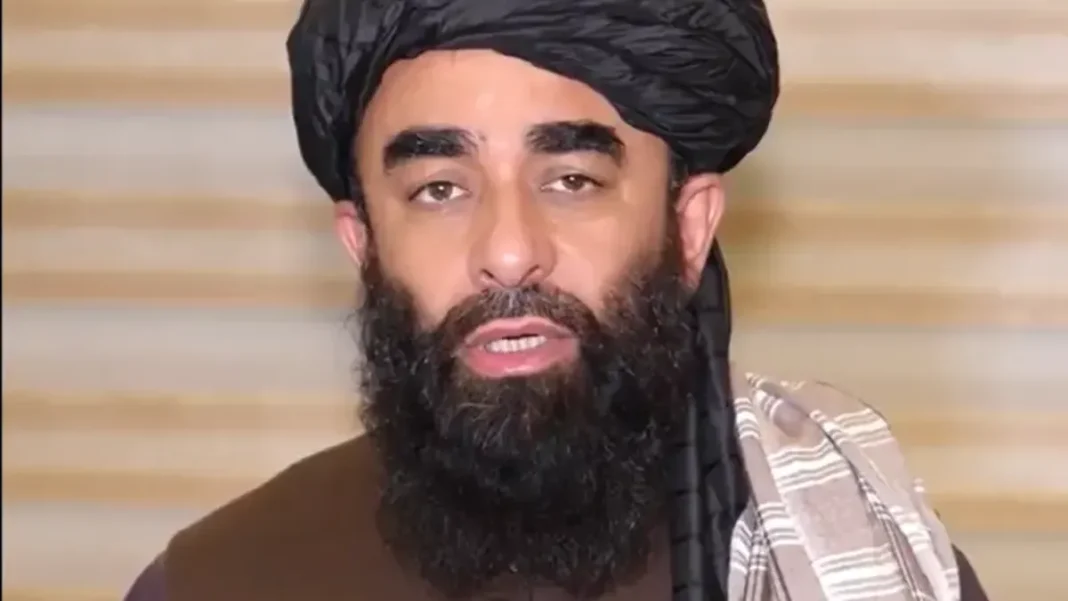
The statement answered Afghan Taliban spokesperson Zabihullah Mujahid, who told Hurriyat Radio that Islamabad’s “wrong policies” were preventing a resolution, and claimed Pakistan did not want to resolve the conflict through talks.
Islamabad rejected that charge in full. The ministry said Mujahid’s remarks expose the regime’s “deeply misguided approach and unwillingness to confront the root cause of deteriorating relations with Pakistan”.
Pakistan slams Afghan Taliban: what the statement said
The ministry put terrorism at the centre of its reply. It said the Taliban leadership keeps blaming Islamabad’s policies while ignoring “the single most important issue poisoning bilateral relations: its persistent failure to address terrorism emanating from Afghan soil”.
The statement called Pakistan’s position unequivocal: terrorism is a red line and citizen security is non-negotiable. Islamabad said it will not tolerate terrorist sanctuaries across its borders, nor allow its people to remain targets of terrorism from Afghanistan.
The statement added that the regime’s persistent refusal to address terrorism remains the principal obstacle to normal relations, and that shifting blame and making hollow assurances will neither resolve the crisis nor absolve Kabul of its responsibilities.
“The Afghan Taliban leadership must understand that Pakistan’s security will not be held hostage to Afghan Taliban’s inaction, evasions or misplaced priorities,” the ministry said. It affirmed that Pakistan reserves the right to take all necessary measures, in accordance with international law, to remove threats to its national security, wherever they originate. It urged Kabul to recognise that the responsibility for addressing these threats “rests squarely with the Afghan Taliban regime”.
Why relations broke down
Islamabad has repeatedly urged the Taliban administration in Kabul to dismantle terrorist sanctuaries on Afghan soil, particularly those linked to the banned Tehreek-i-Taliban Pakistan (TTP), which are used for attacks in Pakistan. Officials say those appeals have gone unheeded, and Feature Pakistan has tracked Pakistan’s earlier warning at the United Nations over Taliban repression.
Multiple rounds of talks last year, facilitated by Qatar and Turkiye, failed to bring about any workable solution. The Pakistani government said Taliban officials gave no assurances on the key issues. Efforts this year made with China’s involvement also resulted in no breakthrough.
That history explains Saturday’s tone: Pakistan now frames the dispute as a refusal by Kabul to act on sanctuaries, and says that refusal blocks any normal relationship.
Border clashes in September and October
In September, Pakistan carried out calibrated airstrikes in the border region in response to terrorist attacks in Khyber Pakhtunkhwa. Drone incursions from across the border followed, which Islamabad said were shot down, along with two further rounds of retaliatory airstrikes.
Skirmishes continued in October, with Pakistani forces responding to unprovoked fire along the border in Kurram and Lower South Waziristan’s Angoor Adda. On Tuesday, October 27, Afghan forces opened unprovoked fire on border posts and homes in Angoor Adda, killing one local and injuring a family of five.
State-run Radio Pakistan also reported that the army hit Afghan Taliban posts near South Waziristan and Parachinar after firing from the Afghan side, a development Feature Pakistan covered in the army response at Angoor Adda.
What it means for Pakistan
Frequently asked questions
What did Pakistan say about the Afghan Taliban?
Pakistan’s information ministry said the Taliban’s stance exposes a deeply misguided approach and an unwillingness to confront terrorism from Afghan soil. It called terrorism a red line and citizen security non-negotiable.
What did Zabihullah Mujahid say?
Mujahid told Hurriyat Radio that Islamabad’s wrong policies blocked a resolution, and claimed Pakistan did not want to settle the conflict through talks.
Why have talks with Kabul failed?
Talks last year, facilitated by Qatar and Turkiye, produced no workable solution, and efforts this year with China’s involvement also failed. Pakistan says Taliban officials gave no assurances on sanctuaries used for attacks in Pakistan.
What happened at Angoor Adda on October 27?
Afghan forces opened unprovoked fire on border posts and homes in Angoor Adda, Dawn reported, citing security sources. One local was killed and a family of five was injured.