Petrol Price Cut by Rs8 to Rs338 Per Litre
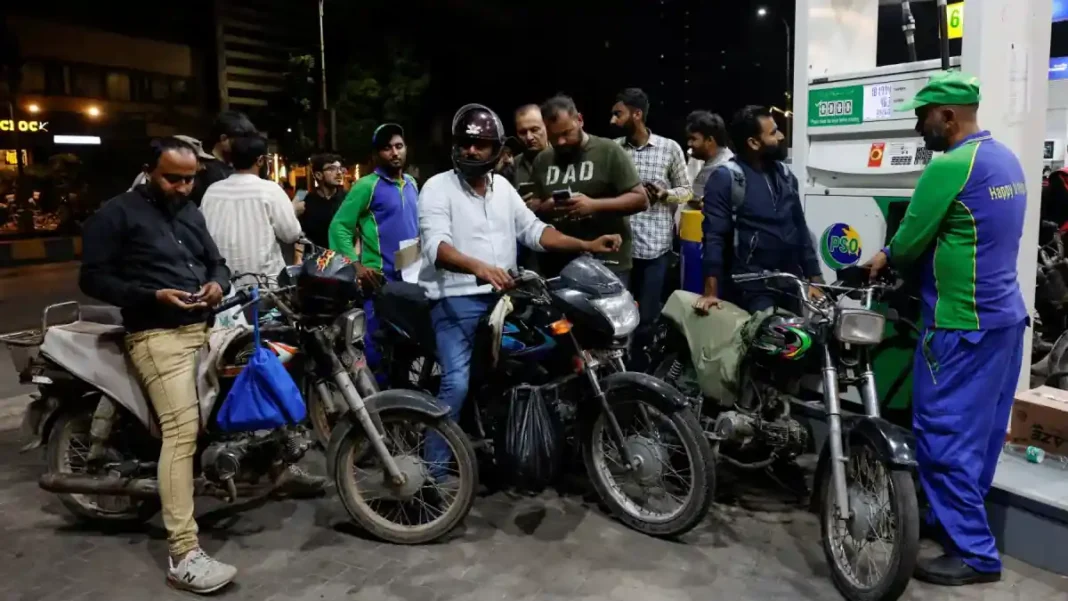
The government has cut the price of petrol by Rs8 per litre and high-speed diesel (HSD) by Rs7 per litre, in the latest petrol price cut for motorists. Dawn reported that from Wednesday, November 11, petrol will sell at Rs338 per litre and diesel at Rs371 per litre, under a notification issued by the Oil and Gas Regulatory Authority (OGRA).
The revision follows a cut announced for November 7 to 10, when petrol fell by Rs6.59 per litre and diesel by Rs4.25, Tribune reported. The latest reduction is the sixth in a row since November 2, as the government passes on relief from changing international oil prices.
Petrol price cut: new rates from November 11
| Fuel | Old price | New price | Change |
|---|---|---|---|
| Petrol | Rs346 | Rs338 | Down Rs8 |
| High-speed diesel | Rs378 | Rs371 | Down Rs7 |
The rates were fixed under the daily pricing system, which revises fuel prices almost every day based on international market trends.
What the cut means for motorists
Petrol powers private cars, small vehicles, rickshaws and two-wheelers, so the cut reaches the middle and lower-middle classes first. A motorbike rider who buys 30 litres a month will save Rs240 a month at the new rate. A car owner who uses 100 litres a month will save Rs800.
Diesel matters more for the wider economy. Heavy transport runs on it, and it also fuels power plants and large generators. A Rs7 cut lowers running costs for truckers and bus operators, and it eases pressure on fares and freight charges over time.
Two-wheeler prices have also moved this week, with Suzuki raising the GS 150 and GD 110s by Rs10,000. For riders, the fuel saving softens that blow only slightly, but every rupee helps when pump prices have swung so sharply this year.
Why prices fell again
The cut follows an arrangement the government announced on November 2. For 30 days, oil refineries will contribute to the petroleum levy by bearing a cumulative impact of Rs15 billion. The government said this allows a Rs14.71 reduction in the petrol price at the consumer end.
Taxes and duties on fuel have not changed. The government still levies Rs114 per litre in taxes and duties on petrol and Rs100 per litre on diesel. The levy alone brought in Rs220 billion in two months.
Since July 17, the government has revised fuel prices almost every day, because international prices keep moving after renewed hostilities between Iran and the United States. The petroleum minister said the cabinet and the prime minister gave OGRA the job of setting fuel prices daily, based on international market trends. Before that, prices were revised once a week, a practice in place since early March.
From April peaks to November relief
The relief is sharp when set against the spring. Petrol peaked at Rs458.41 per litre on April 3, after climbing from Rs266 in the first week of March. Diesel peaked at Rs520.35 on the same day, after rising from Rs281 when the US-Iran war broke out on February 28.
Feature Pakistan reported petrol at Rs387.40 per litre and diesel at Rs400.35 on October 1. Against that mark, petrol is now Rs49.40 cheaper per litre and diesel is Rs29.35 cheaper. The fall shows how far prices have come down from both the April peak and the autumn level.
Relief scheme and levy talks continue
On September 17, the government rolled out the Prime Minister’s Fuel Relief Scheme across the country. The subsidy applies to owners of motorcycles, rickshaws and vehicles of up to 800cc, and it was meant to ease the burden of rising fuel prices during the Middle East crisis.
The government and Jamaat-i-Islami held another round of talks on Tuesday on relief in petroleum prices. The two sides have agreed the basic outline of a proposal on the petroleum levy, and further talks will settle the detail.
The government has also brought back austerity measures in response to high fuel prices. Markets must close by 9pm, and fuel allocations for official vehicles have been cut by 50 per cent for three months.
Petrol pumps in the twin cities briefly stopped the fuel subsidy scheme earlier, after a dispute over payments. Cooking gas prices have also been in flux, with PSO and SSGCL taking over pricing from OGRA. For now, pump prices are moving down, and the next revision will show whether the relief holds.
Frequently asked questions
What are the new petrol and diesel prices in Pakistan?
Petrol costs Rs338 per litre and high-speed diesel costs Rs371 per litre from November 11, 2026. Petrol fell by Rs8 and diesel by Rs7 in the latest revision.
When do the new fuel prices take effect?
The revised prices take effect on Wednesday, November 11, 2026, under the OGRA notification. Prices are revised almost daily, so the rate can change again at the next revision.
Why did the government cut petrol prices?
The government cited changing international oil prices and an arrangement announced on November 2, under which refineries bear a Rs15 billion impact over 30 days. That arrangement allows a Rs14.71 cut in the petrol price at the consumer end.
How much tax is charged on a litre of petrol?
The government levies Rs114 per litre in taxes and duties on petrol and Rs100 per litre on diesel. Those charges did not change in the latest revision.
Will fuel prices change again tomorrow?
They can. Since July 17, OGRA has revised fuel prices almost every day, based on international market trends. The next revision will depend on global oil prices.