SBP: Climate Finance Must Reach Women, Farmers
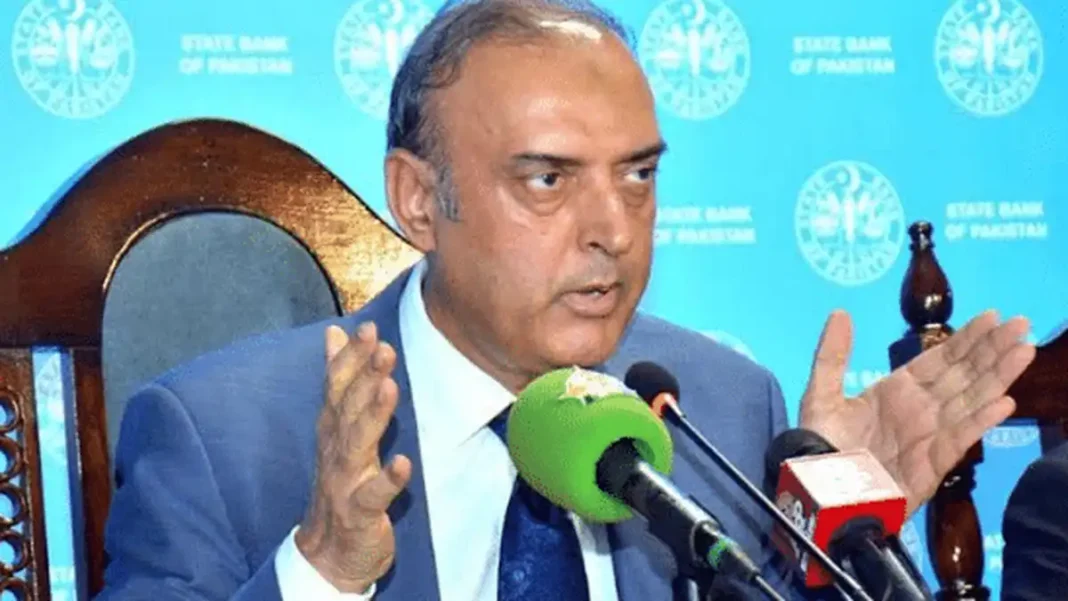
SBP climate finance should prioritise women, smallholder farmers and small businesses, State Bank of Pakistan (SBP) Governor Jameel Ahmad said on Tuesday. Communities most exposed to climate shocks often have the least access to formal financial services, he said.
Ahmad spoke at the inauguration of a four-day joint learning programme organised by SBP and the Alliance for Financial Inclusion (AFI) in Islamabad. The programme brought together 38 participants from central banks and financial regulators in 24 countries across four continents. Its focus is how to put inclusive green finance policies into practice.
Climate finance should go beyond supporting green investments, Ahmad said. It should help communities anticipate risks, strengthen resilience and adapt to climate change. He said climate change and financial exclusion were closely linked, and policy frameworks mattered only if they changed people’s lives.
SBP climate finance: why Pakistan is the test case
Ahmad pointed to the floods of 2022 as the starkest warning. Those floods caused nearly $15 billion in physical damage and another $15 billion in economic losses. They affected more than 30 million people and damaged 2.2 million homes. A financial system that is both green and inclusive is therefore a practical need in Pakistan, not an abstract goal.
Pakistan’s financial inclusion rate has now reached 71 per cent, Ahmad said. The gender gap in financial inclusion has narrowed to 27 per cent. Pakistan is also sharing its Green Taxonomy and climate risk framework with regulators across the AFI network.
The SBP framework has grown in stages. It includes the Green Banking Guidelines issued in 2017 and the Environmental and Social Risk Management Framework introduced in 2022. It also includes the Pakistan Green Taxonomy, regulations on climate-related financial risks, and Climate Stress Testing Guidelines issued in December 2025. Together, those rules push banks to price climate risk and to direct credit toward sustainable activity.
Women, farmers and small businesses first
Ahmad highlighted the Pakistan Women Inclusive Finance Program, which is supported by the Asian Development Bank. Pakistan joined the Women Entrepreneurs Finance Code in 2025, with SBP serving as the financial industry’s anchor institution. Women-focused initiatives aim to strengthen financial resilience, while targeted financing schemes direct credit toward underserved groups.
The programme also covers climate-smart agriculture and the barriers to putting green finance into practice, including gender-related challenges. Participants are expected to exchange experiences from their own countries on those points. AFI Director of Strategy, Member Engagement and Evaluation Aban Haq and World Bank Operations Manager Lasse Melgaard also addressed the inaugural session. Melgaard welcomed the platform for collaboration among member institutions. The joint learning programme is being held in Pakistan for the first time.
For readers in Pakistan, the message has a direct local angle. Smallholder farmers face flood, heat and water risks first, yet they often borrow through informal channels at high cost. Women entrepreneurs face a similar gap, even as the inclusion figures improve. If climate finance reaches those two groups, it can fund safer housing, resilient crops and small businesses that survive a bad season. If it stays with large green projects alone, the people hit hardest by climate shocks will still be left out.
That local angle links to the SBP’s wider inclusion work. Feature Pakistan earlier reported on Roshan Digital Account inflows, which show how overseas Pakistanis use formal banking channels, and on the rupee’s movement against the US dollar, which shapes the cost of imports for farmers and small firms alike.
The climate finance push comes as the private sector turned net borrower at Rs87bn, and as the PSX investor base hit a record 681,965 in October.
Frequently asked questions
What did the SBP governor announce on climate finance?
Governor Jameel Ahmad said climate finance should prioritise women, smallholder farmers and small businesses. He said communities most exposed to climate shocks often have the least access to formal financial services.
What is the SBP-AFI learning programme?
It is a four-day joint programme organised by SBP and the Alliance for Financial Inclusion in Islamabad. It brought together 38 participants from central banks and regulators in 24 countries to discuss inclusive green finance policies.
How bad were Pakistan’s 2022 floods?
The floods caused nearly $15 billion in physical damage and another $15 billion in economic losses. They affected more than 30 million people and damaged 2.2 million homes.
What is Pakistan’s financial inclusion rate?
Governor Jameel Ahmad said financial inclusion has reached 71 per cent. The gender gap in financial inclusion has narrowed to 27 per cent.
What rules already govern green finance in Pakistan?
The framework includes the Green Banking Guidelines of 2017, the Environmental and Social Risk Management Framework of 2022, the Pakistan Green Taxonomy, climate-risk regulations and Climate Stress Testing Guidelines issued in December 2025.