Government Vows Winter Gas for Three Daily Meals
LPG winter supply Pakistan will be protected for three daily meals this winter, Petroleum Minister Ali Pervaiz Malik said on Tuesday. The government will make its utmost efforts to meet piped gas demand at meal times, even if it must buy the most expensive fuel for the piped network, he said.
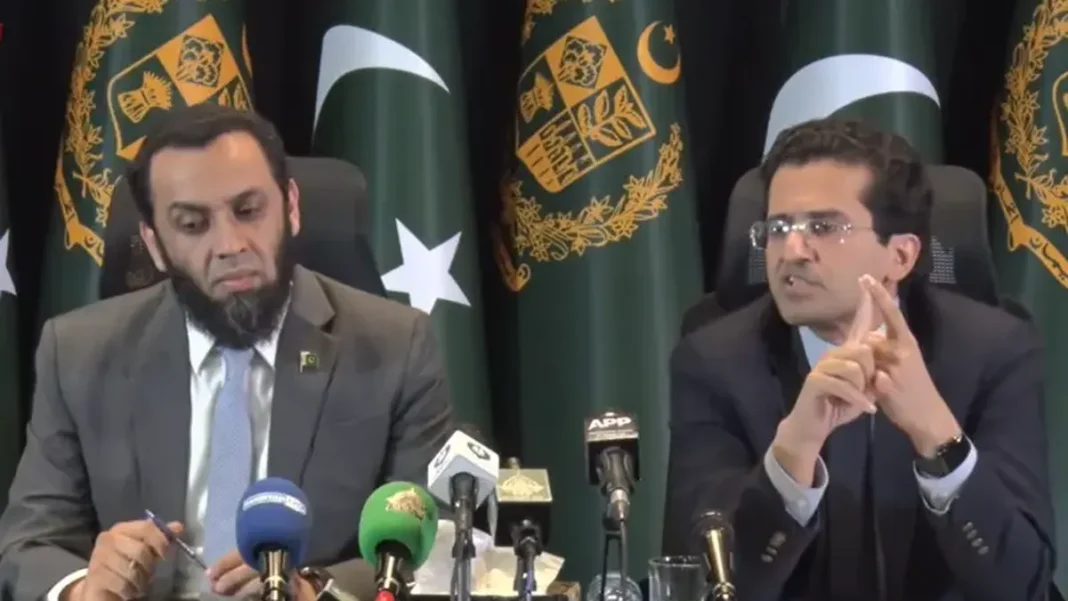
Malik spoke at a press conference in Islamabad alongside Information Minister Attaullah Tarar. His remarks came as LPG supply has been disrupted by the closure of Iranian border crossings. Gas cylinders are being sold at twice the official rate in the open market, and some consumers are being offered LPG at Rs700 to Rs800 per kilogramme.
LPG is widely used for rickshaws, cooking and other needs by people who are not on the piped gas network. Malik said the peak winter months of December and January were now the main concern. He said liquefied natural gas (LNG) would be brought in to meet piped demand through that period.
LPG winter supply Pakistan: the scale of the gap
Pakistan needs about 2.4 million tonnes of LPG a year, or roughly 6,500 to 7,000 tonnes a day. Local production covers only about 2,000 to 2,500 tonnes a day, depending on the crude used and the LPG it yields. Nearly half or more than half of demand used to arrive through the western border, where difficulties have now arisen.
The rest of demand is met from two terminals, Engro and SSGC LPG, which hold about 14,000 tonnes of storage between them. Malik said small pressurised ships were hard to find, while very large gas carriers could not dock. Even if a large cargo arrived, he asked, where would it be stored.
The minister said the country was building its energy security architecture from scratch. He said no work had been done in the past on fuel storage, refineries or the LPG chain. Prime Minister Shehbaz Sharif chaired a meeting on the matter on Tuesday and is personally leading the effort to rebuild the system, Malik said.
Competition to replace quotas in the LPG sector
Malik announced a shift to competition in the LPG sector. He said the monopoly had been abolished, along with the quota system under which a few players profited. Discretion has been removed, the process has been made transparent, and competition has been introduced, Tarar added.
Under the 2016 LPG policy, the Oil and Gas Regulatory Authority (Ogra) set the price for locally produced LPG from the Aramco contract price or the free on board price. That system worked while imports were small. Demand has since grown so much that about 70 per cent of need is now met through imports, and the old formula did not cover import costs. People then shifted to the grey channel instead of importing through formal routes.
To correct collusion and cartelisation, the government has directed Pakistan State Oil, SSGC LPG and Pakistan LNG Limited to book bulk deals on government-to-government and business-to-business bases. Malik said those companies had made a lot of progress on that front.
On prices, Malik said Ogra had notified the recent LPG increase because Aramco set its contract price at $756 per tonne, against $540 per tonne in March. He stressed that LPG must reach the public at a fair price. He also said a similar system to the new refinery arrangement was being prepared for LPG. Under that arrangement, refineries bear a monthly impact of Rs15 billion on the petroleum levy, which allowed a cut in petrol prices. Feature Pakistan earlier reported on the petrol and diesel price cut of November 3 and on the refinery shield behind it.
Malik also hinted at better news on fuel prices. He recalled the latest reduction and noted that the international market had closed lower on Tuesday. He said even better news would come before the public at the next revision of petrol and diesel prices.
What households should watch next
For households, two promises matter most. First, the prime minister has directed Malik to draft a winter LPG plan and ensure no load-shedding during meal times. Second, the government says piped supply for three daily meals will be protected even at the highest fuel cost.
The plan is not yet published, and the winter test will come in December and January. Readers who rely on cylinders should also note the wider context: Feature Pakistan earlier reported on the LPG price hike linked to the border closure. Until the new competition system brings in cheaper imports, cylinder prices in the open market may stay well above the notified rate.
Frequently asked questions
Will there be gas for cooking this winter?
The government says piped gas will be provided for three daily meals, and LNG will be imported if needed. The prime minister has also directed that there should be no load-shedding during meal times.
Why is LPG expensive right now?
LPG supply has been disrupted by the closure of Iranian border crossings. Cylinders are selling at twice the official rate in the open market, and some consumers face offers of Rs700 to Rs800 per kilogramme.
How much LPG does Pakistan need each day?
Pakistan needs roughly 6,500 to 7,000 tonnes of LPG a day, or about 2.4 million tonnes a year. Local production covers only about 2,000 to 2,500 tonnes a day.
What is changing in the LPG sector?
The government says it has abolished the monopoly and quota system and opened the sector to competition. State firms have been directed to book bulk LPG deals to bring in the cheapest possible fuel.
Will petrol and diesel prices fall further?
Petroleum Minister Ali Pervaiz Malik hinted at better news at the next price revision, noting that the international market closed lower on Tuesday. No new price has been announced yet.