


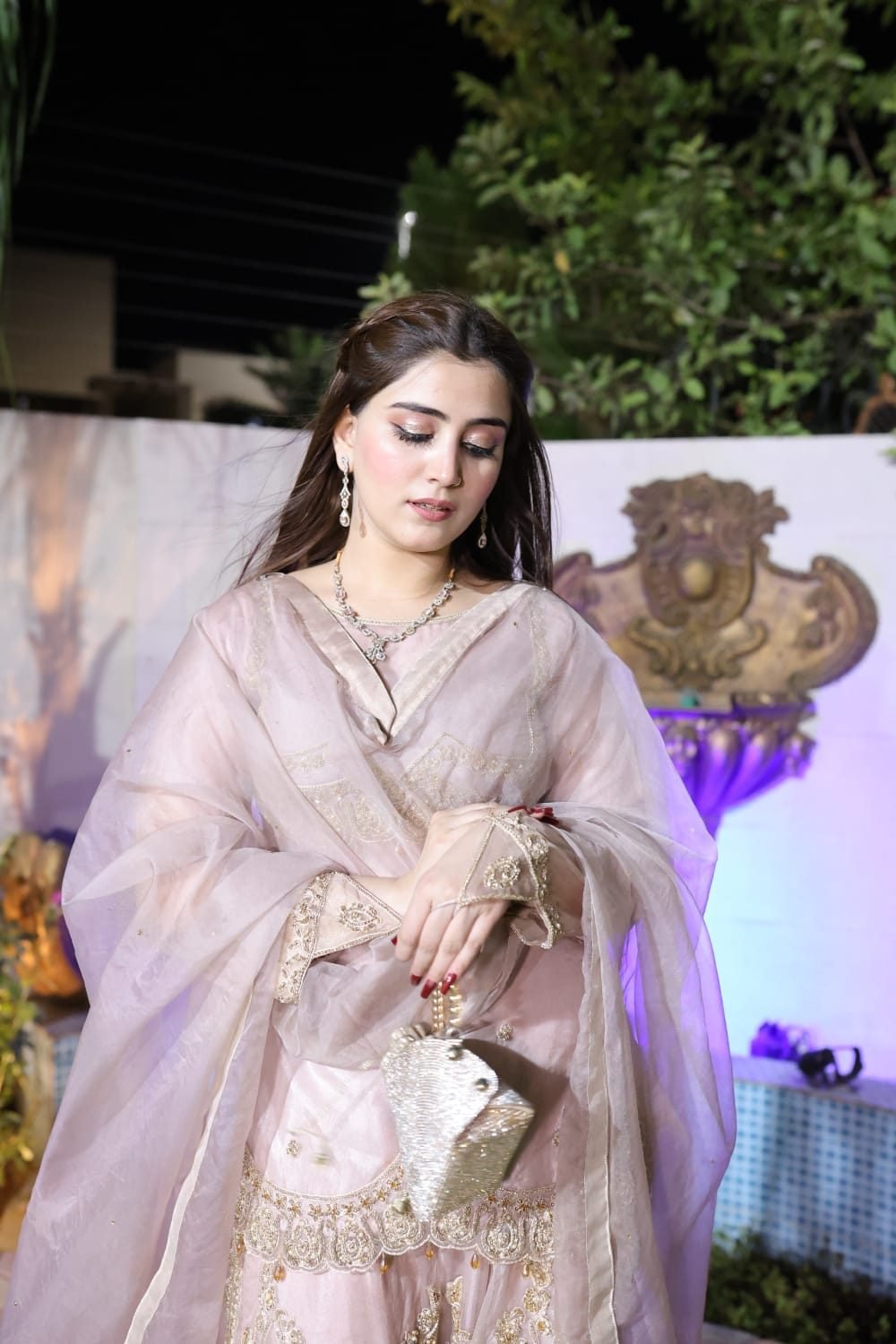

A wedding dress in Pakistan is rarely bought off a rack and forgotten. For many brides, it is the single most considered garment of their lives — discussed with mothers and sisters, sketched, re-sketched, and finally entrusted to a tailor or a small studio that will build it by hand. In Gujranwala, a city better known for its industry and its food, that tradition of hand-made bridal wear is quietly being carried forward by a new generation of small studios. Following one order from the first consultation to the final fitting shows just how much human skill still sits behind a single bridal dress.
In short: At Pakeeza Ashfaq Studio in Gujranwala, a custom bridal dress still takes 10 to 15 days of hand work by a three-person team — sketch, fabric, embroidery and fitting, one order at a time. Musharraf Ayub follows one dress from the first conversation to the final fitting, at prices from Rs 14,999 to Rs 49,999.
It begins with a conversation, not a catalogue. In the design consultation, the bride describes what she has imagined — sometimes with reference photos, sometimes only with a colour and a feeling. The designer listens for the practical details too: the venue, the season, how many functions the outfit must serve, and how heavily embellished she wants to feel by the end of a long day. A good consultation is as much about editing as adding; an experienced eye will gently steer a bride away from a design that photographs beautifully but wears heavily, towards one she can actually enjoy her own wedding in.
Next comes fabric, and this is where experience shows. The base cloth decides how embellishment will sit, how the dress will drape, and how it will survive a full day of wear. Net, raw silk, organza and chiffon each behave differently under needlework: a motif that glows on one can pucker or tear another. Studios source fabric with the final weight in mind, because hand embroidery adds grams with every motif, and a heavily worked bodice on the wrong base will pull and sag. Brides are encouraged to touch, drape and compare — fabric chosen by photograph alone is the most common source of disappointment in custom orders.
Only then does the embellishment begin, and it is the slowest, most skilled stage of all. Working from the finalised design, artisans transfer the pattern onto the fabric and build it up by hand — dabka and naqshi coiled and couched stitch by stitch, sequins and cut-glass beads set individually, threadwork shaded to give flat motifs depth. This is not machine embroidery sped up; a single heavily worked panel can occupy an artisan for days. The skill is hereditary in many families and learned over years: tension, spacing and colour judgment cannot be rushed, and a mistake made at this stage cannot be unpicked without leaving its mark on the cloth.
While the panels are being worked, the garment itself is taking shape. The base dress is cut and stitched to the bride's measurements, then a first fitting is held — usually with the embellishment still in progress — to check the fall of the neckline, the length, and how the dress moves when she sits and walks. Adjustments are marked, the dress returns to the frame, and the remaining work is completed around the corrected fit. A final fitting near completion confirms that the finished weight sits comfortably and that every closure, lining and hem is where it should be.
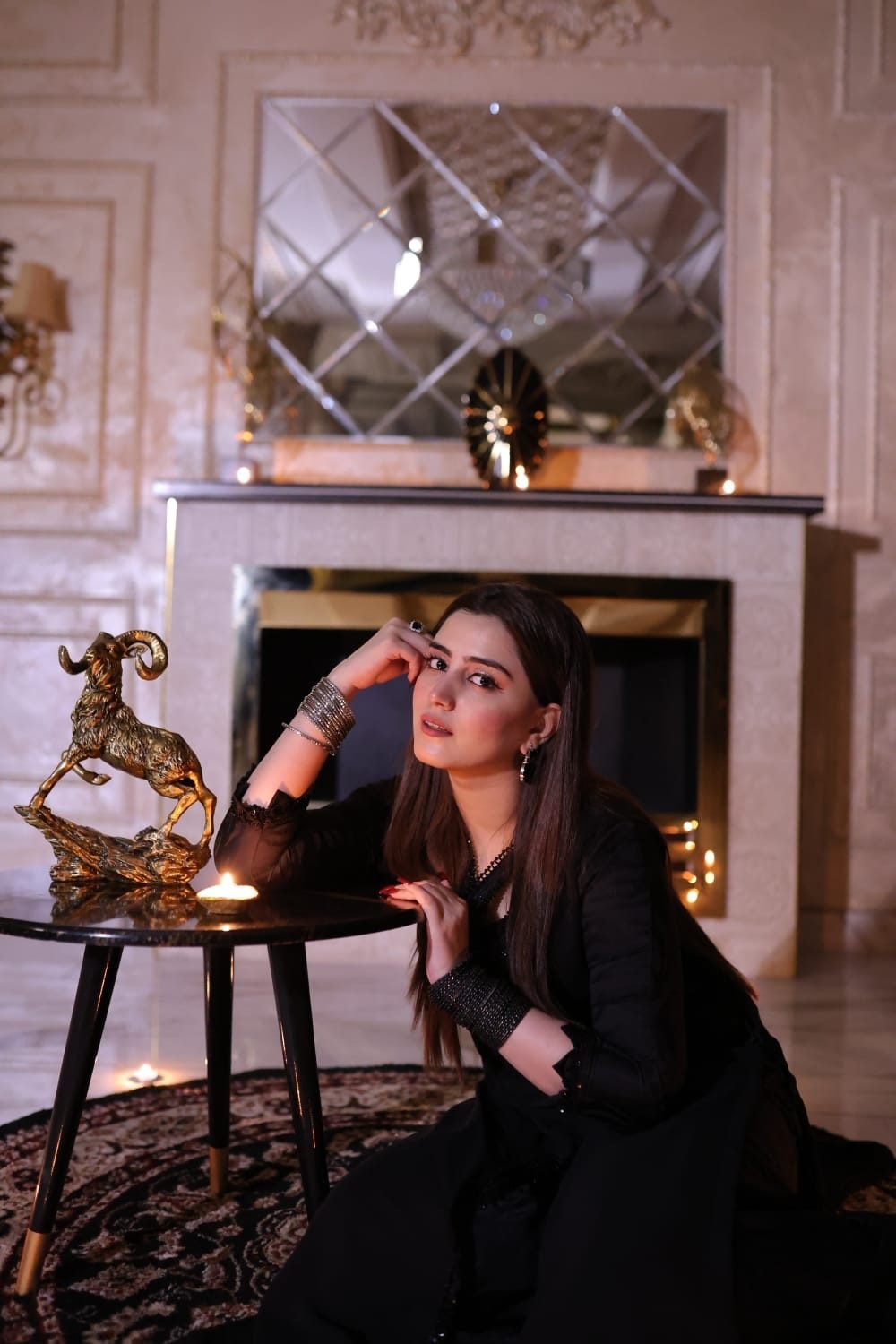
Finishing is the stage nobody photographs and everybody feels. Edges are bound so embellishment never touches skin, linings are set so the dress keeps its shape through hours of wear, loose threads are trimmed, and every bead row is checked for the one sequin that would catch. The dress is pressed, inspected in daylight, and only then packed. It is unglamorous work, and it is the difference between a dress that merely looks finished and one that is.
All of this is why a handmade bridal dress takes ten to fifteen days, and why honest studios quote that timeline upfront. The days are not padding: fabric must be sourced, patterns transferred, embellishment worked panel by panel, fittings scheduled around the bride, and corrections absorbed without breaking the sequence. A studio can promise a dress in three days only by skipping stages — machine work instead of hand work, no fitting, no finishing check — and the difference shows on the day. Brides planning around a wedding date are best served by ordering early and treating the timeline as part of the craft, not a delay.
Not every bride needs, or wants, that journey. This is where ready-to-ship dresses come in: finished pieces, made to standard sizes, that can be dispatched within two to three working days. For a walima outfit decided late, a second dress for a smaller function, or a bride who simply falls in love with a completed piece, ready-to-wear is the sensible route. Custom is for the bride who wants a dress that exists nowhere else and fits no one else. Most studios today offer both, and there is no hierarchy between them — only a difference in time, involvement and individuality.
For small studios, this craft tradition is both identity and livelihood. Pakeeza Ashfaq Studio, founded in Gujranwala in 2026 and still a team of just three people, is one example of the model: a tiny operation where the person who consults with the bride is close enough to the embroidery frame to walk over and check a motif herself. Studios at this scale cannot compete with large retail chains on volume or advertising. What they can offer is exactly what the big stores cannot — one dress at a time, made to one person's measurements, with nothing about it standard. In a market flooded with imported, machine-finished occasion wear, that is a genuine point of difference, and brides are increasingly willing to seek it out. For brides searching for handmade bridal dresses that are built around them rather than pulled off a rail, that smallness is precisely the point.
It is also more accessible than many assume. At the example studio, listed prices for bridal and party wear run from Rs. 14,999 to Rs. 49,999 — a range that puts a made-to-measure, hand-embellished dress within reach of brides who assumed custom automatically meant unaffordable. The price reflects the hours of hand work involved, but small studios carry small overheads, and those savings reach the customer.
Pakistan's bridal industry will keep changing — new fabrics, new silhouettes, new ways of selling. But the core of it remains what it has always been: a design agreed in conversation, a length of fabric, and a pair of hands patient enough to cover it, stitch by stitch, with light. In Gujranwala and in small studios across the country, that is still how the most important dress in a bride's life gets made.
Frequently Asked Questions
How long does a handmade custom bridal dress take to make?
At the Gujranwala studio followed in this article, one handmade bridal order takes about 10 to 15 days, from the design conversation and fabric selection through hand embroidery to the final fitting.
How much does a custom handmade bridal dress cost in Pakistan?
At Pakeeza Ashfaq Studio, made-to-measure, hand-embellished dresses range from Rs 14,999 to Rs 49,999. Small studios carry small overheads, so the price reflects the hours of hand work rather than a showroom markup.
Are bridal dresses in Pakistan still made by hand?
Yes. In Gujranwala and in small studios across the country, the core of the work is unchanged: a design agreed in conversation, a length of fabric, and hands patient enough to cover it with embroidery, stitch by stitch.