Trump Says US May Have ‘Gone Too Far’ in Targeting Iran’s Leaders
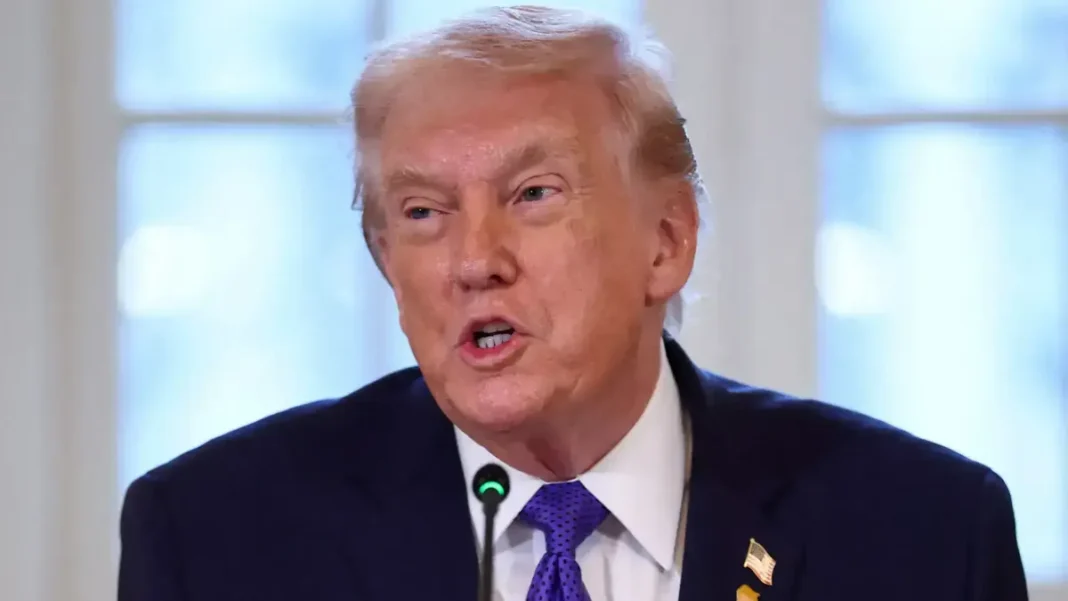
United States President Donald Trump said on Monday that Washington may have gone too far in targeting Iran’s leadership, conceding that the strikes have left the United States unsure who to talk to about ending the war.
Speaking at a campaign rally in Youngstown, Ohio, Trump said the killing of senior Iranian figures in the opening wave of American strikes had created a vacuum at the top in Tehran. “We might have gone too far with the leaders,” he told the crowd. “Nobody wants to be the president of Iran.”
Trump on targeting Iran leaders: ‘we don’t know who to deal with’
The president said the successive loss of Iranian leaders had made negotiations nearly impossible. Washington, he said, was having trouble figuring out who was actually in charge in Iran and who could speak for the country at the negotiating table.
Vice President JD Vance made a similar point last week while discussing the difficulties facing negotiators, saying it was not totally clear how Iran makes decisions.
Trump repeated his claim that Iran had lost its air force and 159 ships in recent clashes. Reporting outlets have flagged those figures as unverified.
He also said he did not believe China or Russia were helping Iran, responding to claims by his opponents that both countries were backing Tehran. “I don’t believe they are at all,” he said.
The remarks were a notable change of tone from Trump’s earlier hardline language on Iran. After weeks of escalating strikes and counter-strikes, the president appeared to acknowledge that the military campaign had created a diplomatic problem of Washington’s own making: a war with no obvious counterpart to negotiate a ceasefire.
One fact worth getting right
Trump’s line that “nobody wants to be the president of Iran” sits oddly beside the record: Masoud Pezeshkian has held Iran’s presidency since July 2024. Whatever the state of Tehran’s wider leadership after the strikes, the presidency itself is occupied.
Gulf shipping under pressure
The rally comments came as commercial shipping in the Gulf faced continued attacks. The United Kingdom Maritime Trade Operations agency has recorded at least 19 attacks on vessels since October 1, and reports say six ships were hit near the Strait of Hormuz in a single day. The strait carries a large share of the world’s seaborne oil, and each attack pushes freight and insurance costs higher.
What it means for Pakistan
Pakistan sits directly in the path of this crisis. The country’s oil imports travel through Gulf shipping lanes now under regular attack, and Islamabad has asked Saudi Arabia for a 15-year, $6.7 billion oil facility to secure long-term supply. A longer war in the Gulf means costlier oil and dearer freight, at a moment when the IMF is already telling developing countries to cut spending as the Iran war energy shock bites.
The border picture is shifting too. Iran has deployed troops and armoured vehicles to Taftan county in southeastern Sistan-Baluchestan, the province that shares a long border with Pakistan, as clashes with militants continue. For Islamabad, the war is no longer a distant headline: it is a pressure on fuel prices, trade routes and the western border at the same time.
What happens next
Iran has said it is reviewing United States proposals for talks as indirect messages continue between the two sides. But with Tehran’s leadership in flux and Washington publicly unsure who to call, diplomacy has little to work with. The war’s next phase will likely be decided on the water, in the Gulf, rather than at a negotiating table that currently has an empty chair.
What did Trump say about targeting Iran’s leaders?
At a campaign rally in Youngstown, Ohio, Trump said the US may have “gone too far” targeting Iran’s leadership, adding that Washington now struggles to find Iranian officials to negotiate an end to the war.
Is Iran’s presidency vacant?
No. Masoud Pezeshkian has been Iran’s president since July 2024, despite Trump’s remark that “nobody wants to be the president of Iran”.
How does the Iran war affect Pakistan?
Pakistan imports oil through Gulf shipping lanes under attack, has sought a 15-year Saudi oil facility, and shares a border with Iran’s Sistan-Baluchestan province, where Tehran has deployed troops. Rising oil and freight costs add pressure on an already tight budget.