Trump Iran Deal Must Outlast Future Presidents
US President Donald Trump has said he wants a Trump Iran deal that will survive long after he leaves office, and that American forces will stay in the region until such a deal is reached.
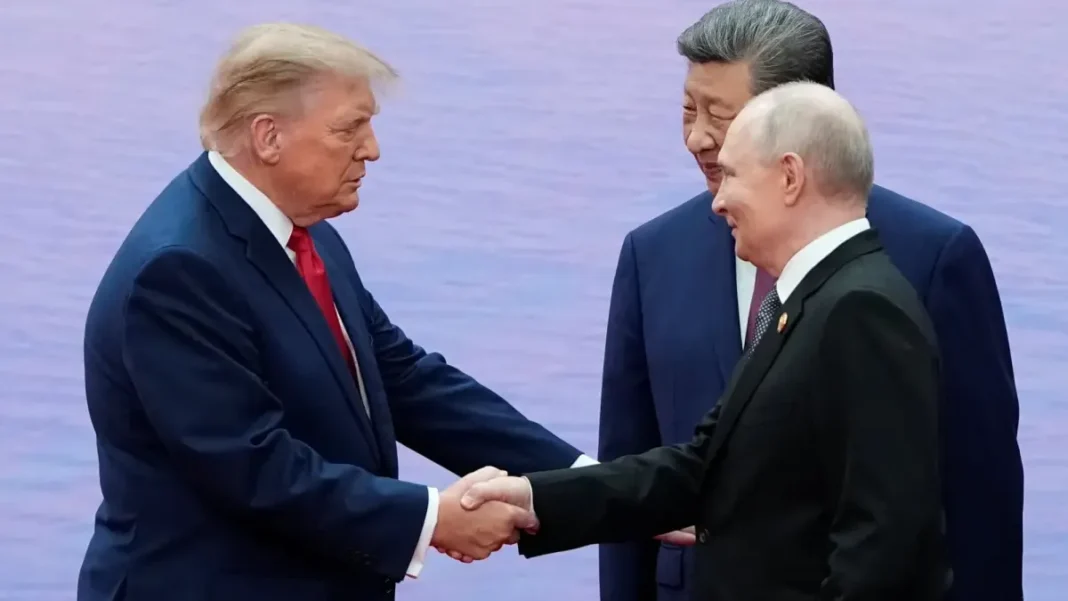
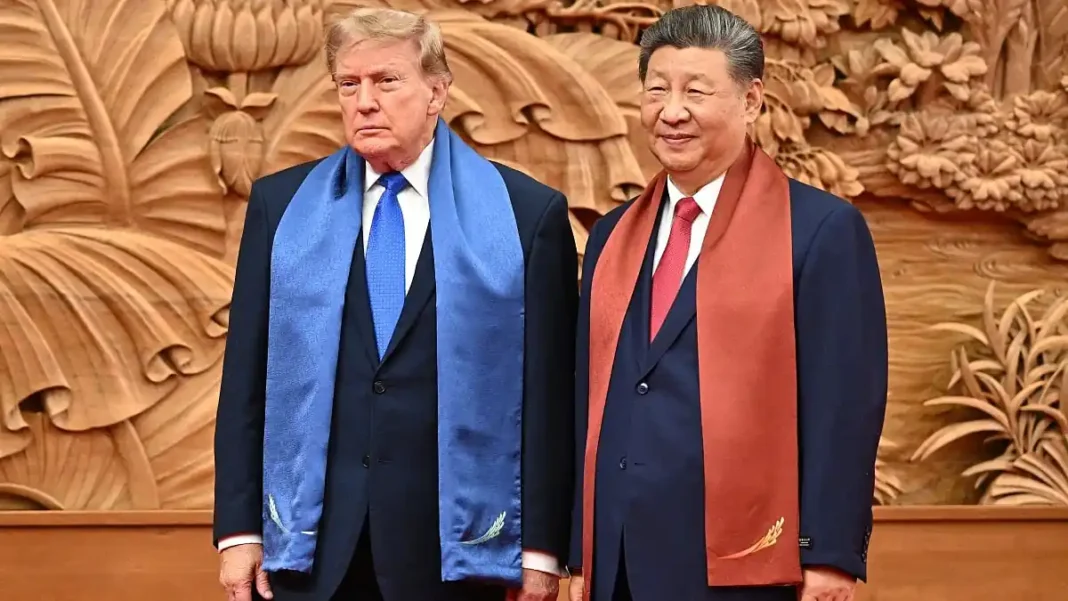
Trump gave the remarks in an interview with Fox News, ahead of his meetings with Chinese President Xi Jinping and Russian President Vladimir Putin. He said Iran wanted to negotiate an agreement, but insisted that any deal must be lasting.
“If we have a bad President, a weak President, I want a deal that will supersede the President,” Trump said. He added that Washington would finish the conflict “one way or the other.”
What the Trump Iran deal would need to last
Trump said earlier attempts at reaching an understanding with Iran had failed to establish enough trust between the two sides. He said the experience had shown that Iran could not be trusted.
That history, in his account, is why he wants a formal contract rather than a memorandum of understanding. A treaty approved by the US Senate carries far more legal weight than an executive agreement, which a later president can reverse.
Trump was asked whether signing a Memorandum of Understanding (MoU) with Iran had been a mistake. He rejected the suggestion and said the process had allowed Washington to better understand its negotiating counterparts. He added that he had never placed much confidence in such arrangements.
Trump claims Iran has lost its military strength
The US president claimed that Iran was in a weakened position, saying its leaders, ships and aircraft were gone. He specifically claimed that 289 of Iran’s aircraft had been destroyed and were lying across runways throughout the country.
Trump also described the US blockade of Iran as the most effective action Washington had taken. He claimed that not a single ship had managed to pass through it during the months it had been in place.
The claims could not be independently verified from the interview alone. Iran has not confirmed the scale of losses Trump described, and Tehran has warned of a harsher reply to any new US attack. Iran’s army chief issued that warning earlier this month.
The US has tightened its blockade of Iran, with a focus on oil transfers at sea. The American naval presence in the Middle East has also grown beyond its peak during the Iran war earlier this year, according to US naval deployment figures.
A deal, or a longer conflict
Trump’s interview points in two directions at once: he wants a deal, but US forces will remain in the region until one is reached, and Washington will finish the conflict one way or the other.
The US vice president has said the conflict with Iran will not become a forever war. Read his remarks here.
For now, no date has been set for fresh talks, and no draft agreement has been made public. Trump did not provide a proposed agreement, a negotiating timetable or a specific mechanism that would guarantee a future US administration could not reverse the arrangement. The two sides reached a ceasefire in April and signed a memorandum of understanding on June 17, which set a 60-day window for a final deal. That window expired on August 17 without a breakthrough, and the arrangement had already collapsed amid renewed fighting. The next step depends on whether Tehran accepts a negotiation on the terms Trump has set out: a lasting deal, in the form of a formal contract, that binds future US presidents as well.
Frequently asked questions
What did Trump say about US forces and Iran?
He said US forces would remain in the region until a lasting agreement was reached with Tehran.
What kind of deal does Trump want with Iran?
He wants a lasting agreement in the form of a formal contract, one that would remain in force even under a future president. He said he wanted a deal that would “supersede the President.”
Why does Trump prefer a contract over a memorandum?
He said memorandums of understanding had not built enough trust, and that he had never placed much confidence in them. A formal contract, unlike a memorandum, is far harder for a later president to reverse.
What did Trump claim about Iran’s military?
He claimed Iran’s leaders, ships and aircraft were gone, and specifically claimed that 289 Iranian aircraft had been destroyed. He also claimed the US blockade had stopped every ship for months.
Has Iran agreed to negotiate?
Trump said Iran wanted to negotiate an agreement. Tehran has not publicly confirmed the terms he described, and its army chief has warned of a harsher reply to any new US attack.