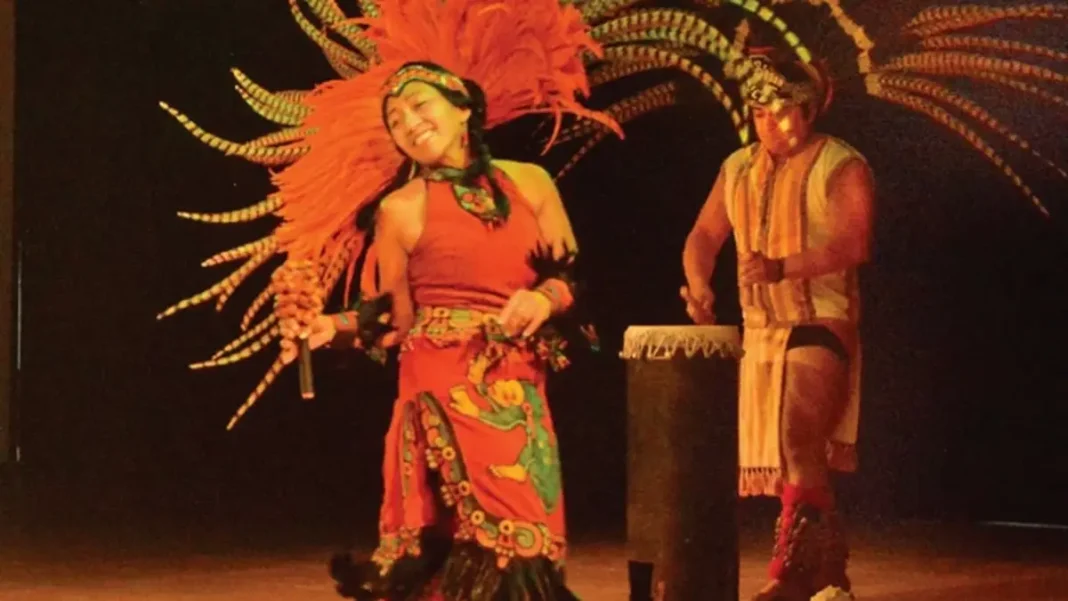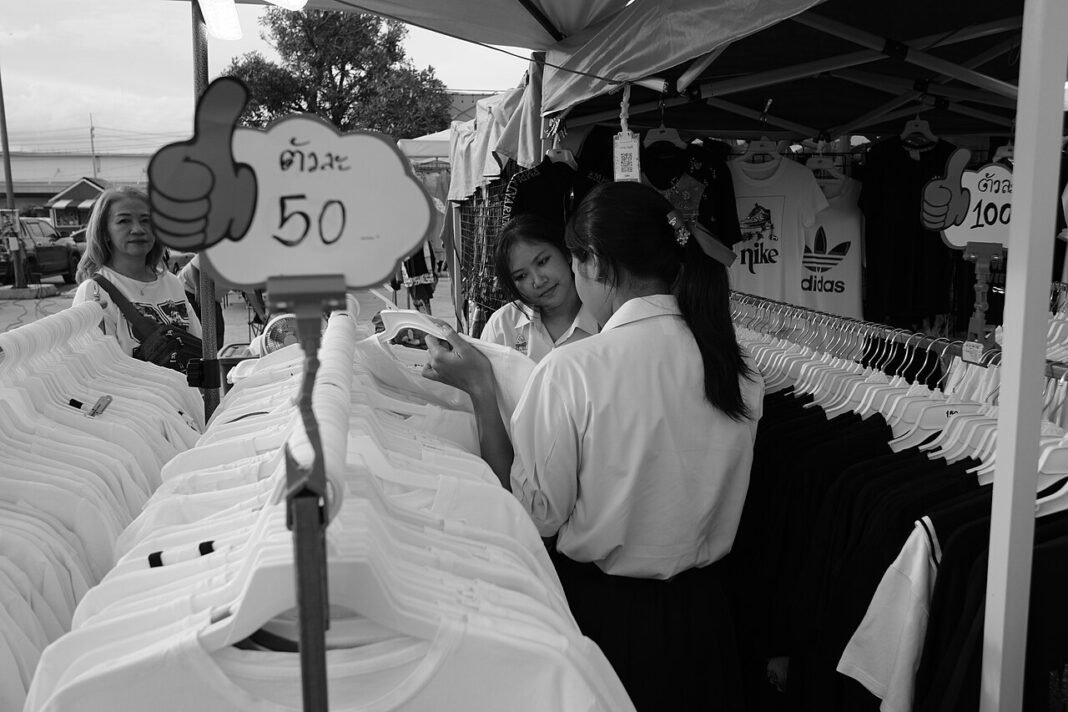
From identity declarations to solidarity and shared jokes, a graphic T-shirt can tell strangers what matters to someone before a conversation begins.
In short: Readable fashion — clothing whose words and symbols carry a decodable idea — keeps returning because a T-shirt can declare an identity, signal solidarity or start a conversation in two seconds. Hadi Ahmed traces it from protest movements to today’s tribe effect, and explains why the design must work before the words.
You can pass someone on the street and learn three things about them before they say hello. The music they follow. The joke they find funny. Maybe the cause they want to stand beside. A T-shirt may disclose one of these details in two seconds. It cannot tell you the whole person, but it can offer a starting point.
That is the appeal of readable fashion, clothing in which lettering, symbols or illustrations carry an idea worth decoding. It has returned to the fashion conversation alongside the familiar question of whether graphic tees are stylish again. A July 2026 GQ feature noted how humor, music and personality were showing up on graphic shirts. The interesting part is not simply the trend. It is what happens when a private preference becomes a public message.
An identity declaration that leaves room for doubt
An outfit tells people something whether the wearer intends it or not. A printed sentence is more deliberate. It might declare a taste in music, a sense of humor, a position on an issue, or a preference for a little personal space. It gives an observer a clue without asking the wearer to introduce themselves to everyone in the room.
Yet a slogan is not a complete personality test. Someone in a shirt about avoiding small talk might enjoy long conversations with close friends. Another person might wear a confrontational line as a joke. The words declare something, but tone, design and setting affect what the statement means. A severe typeface can make an absurd sentence sound official. Tiny text near the chest can feel more private than a giant declaration across the back.
The garment is therefore a useful form of selective self-expression. It reveals enough to invite recognition while allowing the wearer to decide whether any conversation follows.
When a declaration becomes solidarity
Readable clothing has a more serious history than ironic captions. The People's History Museum in Manchester preserves T-shirts connected to trade union campaigns, anti-apartheid organizing and other protest movements. Its collection shows how a shared printed message can identify participants, carry a cause into daily life and remind supporters that they are not alone.
The Museum at FIT has also documented activist shirts, including the Silence = Death design associated with AIDS activism. These were not fashion statements invented to fill a blank area of cotton. They belonged to real movements and people taking risks. The visual message worked because there was a community and a struggle behind it.
Not every statement tee is political, nor should a retailer pretend that buying a shirt creates social change by itself. Still, the history demonstrates a wider possibility. Words on clothing can make values visible. They can signal support, open a difficult conversation or help people notice an issue they would otherwise pass. When the cause matters, the garment is a sign of solidarity, not a substitute for action.
The tribe effect without the gatekeeping
There is a gentler version of the same mechanism in everyday life. A band shirt, an unfamiliar reference or a dry joke can work as a recognition signal. Most strangers will walk past. One person may smile because they understand it. Suddenly two people who have never spoken have a little common ground.
That is the tribe effect: a feeling of belonging formed through shared meaning. It is not necessarily a fan club, a personality category or a fixed identity. People can share a sense of humor without sharing a background. Someone outgoing may appreciate the same quiet joke as someone reserved. Their social styles differ; the recognition is real.
Good visual language can also let people decide how much connection they want. A shirt that jokes about a drained social battery may tell a compatible stranger, 'I understand that feeling,' rather than 'do not come near me.' It can soften a first impression, or simply provide the relief of seeing a familiar thought in public. That is solidarity on a smaller scale: recognizing another person's experience without demanding that everyone behave alike.
Why the design must work before the words
None of this excuses poor design. A shirt first appears as clothing: shape, color, illustration, space, placement. Only then does somebody read the lettering. And only after reading might they catch the second meaning. If the composition is not appealing, the line has to work too hard. If the type is illegible, the thought may never arrive.
The best graphic tees balance these moments. A sentence can be visible from a distance or hidden until somebody comes closer. A modest drawing can soften a pointed message. A visual joke can reward the second glance without forcing everyone nearby to participate. The artwork should remain interesting even to a person who misses the reference.
Where Text Tease fits
This thinking also explains why Text Tease, a graphic-fashion project, adopted readable fashion as a way to express identity and create social connections. The approach is not limited to people who call themselves introverts. It makes space for different social styles, shared humor and the pleasure of finding someone who understands the same thing. A design can signal a boundary, but it can also leave a door open.
The intention is not to turn a shirt into a lecture or treat every slogan as activism. It is to make something worth wearing first, then give the words enough intelligence to mean something. Identity, solidarity and belonging can live in that second reading, whether the subject is serious or quietly funny.
A shirt cannot speak for its wearer forever
Printed messages have limits. Humor travels badly when the reader does not know the joke. Symbols can be borrowed without understanding the community they came from. A statement of support means little if the wearer or brand ignores the people involved. And the person wearing a slogan should not be reduced to the slogan itself.
Even with those limits, readable fashion endures because it gives ordinary clothing a social job. It can make an identity legible, carry a message of solidarity or help a stranger recognize a possible friend. The first reading belongs to the words. What happens after that still belongs to the people.
Frequently Asked Questions
What is readable fashion?
Readable fashion is clothing in which lettering, symbols or illustrations carry an idea worth decoding — a taste, a joke, a cause or a boundary. A graphic T-shirt can tell strangers something about the wearer before a conversation begins.
Why does readable fashion keep coming back?
Because it gives ordinary clothing a social job. Statement clothing has a long history in solidarity and protest movements, and in daily life it works as a recognition signal: shared humour or taste creates a small feeling of belonging, without gatekeeping.
What makes a good graphic T-shirt design?
The design must work before the words: shape, colour, illustration, space and placement come first, then the lettering. The best graphic tees stay interesting even to someone who misses the reference, and reward a second glance.