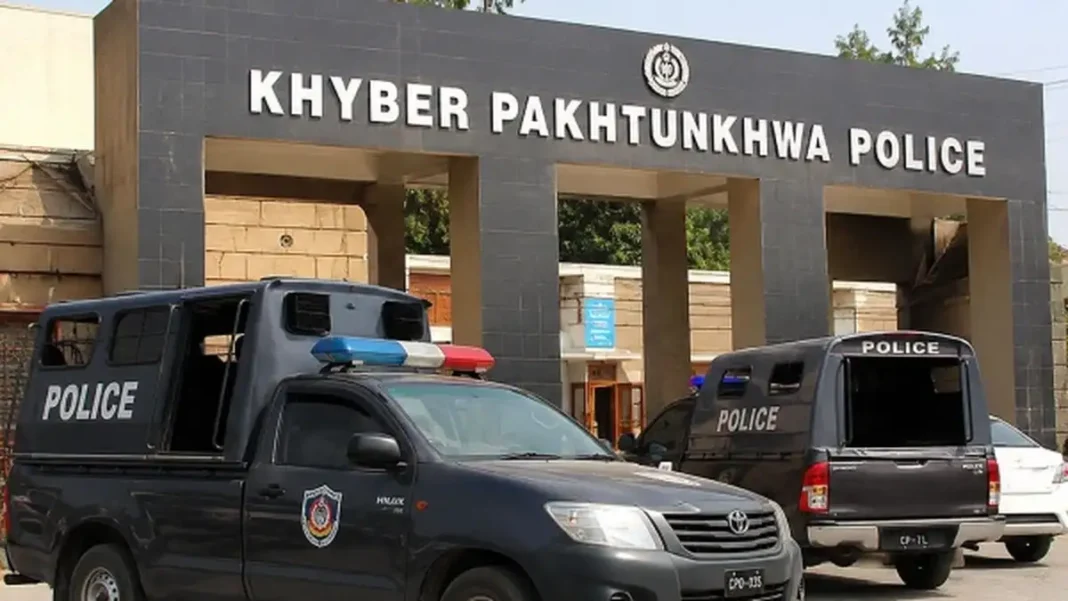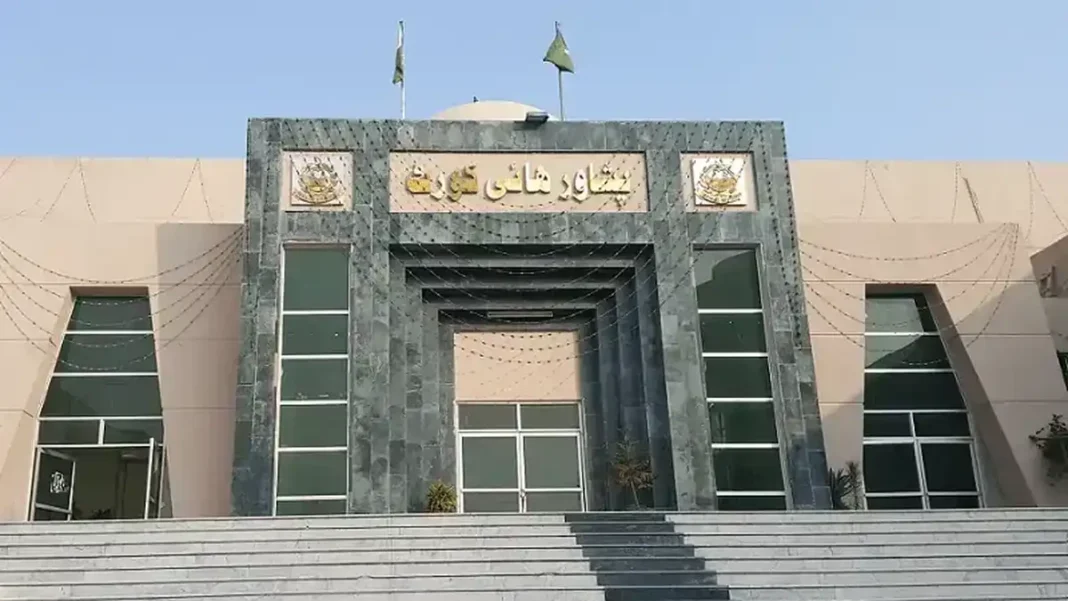
Peshawar court sentences man to death in 2022 case
A local court in Peshawar has convicted a man in a blasphemy case and sentenced him to death with a fine of Rs100,000. The sentence is subject to confirmation by the Peshawar High Court.
Additional Sessions Judge Rafiullah ruled the prosecution had proved its case against the suspect, an Afghan national, beyond reasonable doubt, and recorded the conviction under Section 295-C of the Pakistan Penal Code.
The sentence and what must happen next
The judge directed that a murder reference under Section 374 of the Code of Criminal Procedure, along with the complete record of the case, should be sent to the Peshawar High Court at once. The high court will decide whether to confirm the death sentence or rule otherwise, in accordance with the law.
That step is not a formality. A death sentence passed by a trial court cannot be carried out until the high court confirms it, giving the higher court a full second look at the evidence and the trial record.
The case behind the verdict
The case was registered at Hayatabad police station in Peshawar on 5 August 2022, under Section 295-C. According to the first information report, police rushed to Phase-III, Flyover Hayatabad, after receiving information about the incident, where a crowd had gathered and apprehended a man. He was taken into custody.
Three eyewitnesses told police that the man was standing on the flyover when he uttered derogatory and abusive remarks in respect of the Holy Prophet (PBUH), and the complainant stated that the suspect was overpowered with the help of other people present. One eyewitness, a friend of the complainant who was present on the flyover, deposed that in his presence the suspect used abusive language in respect of prophets including Hazrat Essa and Hazrat Musa.
The court’s reasoning
The judge ruled that nothing on record suggested enmity, mala fide intention or ulterior motive that would lead prosecution witnesses to falsely implicate the accused in an offence carrying the death penalty.
The court referred to a Federal Shariat Court judgment from 1991, cited as 1991 PLD FSC 10, which held that derogatory or contemptuous remarks concerning the Holy Prophet Muhammad (PBUH), as well as other prophets (A.S), are treated as offences, and that jurists and scholars unanimously agreed the penalty of death would apply in view of the relevant verses of the Holy Qur’an and the equal status of all prophets.
The judge also noted that the Federal Shariat Court had declared the alternative punishment of life imprisonment under Section 295-C repugnant to the injunctions of Islam as laid down in the Holy Qur’an and Sunnah, and had directed that the words “or imprisonment for life” be deleted from the provision, taking effect from 30 April 1991 if the law was not amended by then.
The defence case
The defence argued that the complainant and the eyewitnesses could not satisfactorily explain their presence at the place of occurrence. The complainant was a permanent resident of Mardan district, while the witnesses belonged to different localities. Defence counsel also argued that the actual words allegedly uttered were not mentioned in the initial report or the formal FIR, creating doubt about the precise nature of the alleged offence, and that the prosecution evidence contained material inconsistencies.
The court weighed those arguments against the prosecution evidence and ruled in favour of conviction.
Legal aid and medical record
As no advocate was willing to defend the suspect and he could not afford one, counsel was provided through the district Legal Aid Committee.
The 21-page judgment noted medical examinations on 6 and 7 August 2022, both finding him fit for custody, and recorded that nothing on file suggested any mental disorder or disability, with no such report from Central Prison Peshawar during his confinement.
Why the high court stage matters
The case now moves to the Peshawar High Court, which will examine the full record before deciding on confirmation. That review is the safeguard built into the law for every death sentence, and it is where the defence points about inconsistencies will be tested again.
Feature Pakistan covered a similar verdict in Lahore earlier in October, when a court sentenced four people to death in a 2022 blasphemy case. That judgment also required confirmation by the Lahore High Court, showing the same two-stage process at work across provinces.
Related coverage:
- https://featurepakistan.com/blasphemy-case-verdict-october-2026/
- https://featurepakistan.com/peshawar-atc-arrest-warrants-sohail-afridi/
- https://featurepakistan.com/kp-governors-rule-end-six-months-tariq-fazal/