North Korea Fires Missiles Toward East Sea
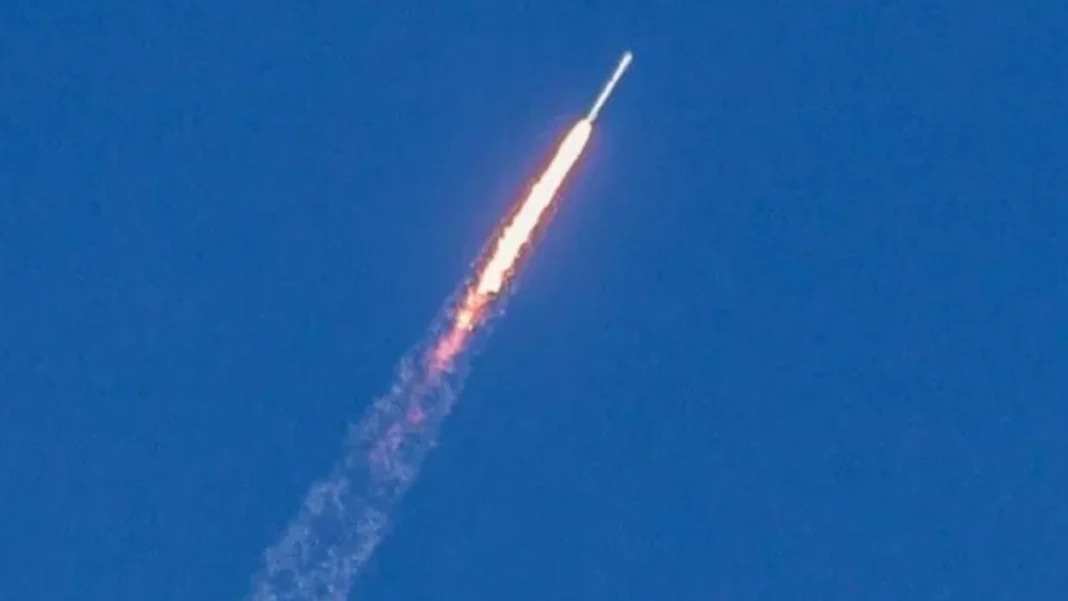
North Korea fires missiles toward the East Sea in its latest show of force, launching around a dozen short-range ballistic missiles from the Wonsan area on Thursday. South Korea’s Joint Chiefs of Staff detected the launches at around 12:30 p.m. local time and said further analysis of their flight distances and other details was under way.
The missiles flew toward the East Sea, the body of water also known as the Sea of Japan. Japan’s defence ministry said an object that may have been a ballistic missile had been launched, and its coast guard said the object appeared to have fallen into the sea. Japanese officials said the missiles fell outside Japan’s exclusive economic zone, and they urged ships in the area to stay alert.
South Korea’s military said it had stepped up surveillance and remained vigilant against any further launches. It also said it was sharing information closely with the United States and Japan, and that it would keep a robust defence posture through that cooperation.
The count varied slightly between early reports. Yonhap News, citing the Joint Chiefs of Staff, put the number at around a dozen, while Reuters reported around 10 short-range ballistic missiles. The launches came from Wonsan, on North Korea’s eastern coast, and they were the first ballistic missile firings by the North in 17 days.
North Korea fires missiles: what Seoul and Tokyo said
Seoul’s statement was short and firm. The Joint Chiefs of Staff said the military had tracked the launches from the preparation stage, and that surveillance had been raised in case of more firings. The message was aimed at two audiences at once: it reassured the public, and it warned Pyongyang that further launches would be watched.
Tokyo moved in step with Seoul. Japan’s defence ministry issued an alert after the launch, and the prime minister’s office set out steps to gather information, protect aircraft and vessels, and prepare for contingencies. The coast guard later said no damage to vessels had been confirmed.
No government in the region reported any damage from the launches. The missiles fell into the sea, and the main effect was political rather than physical. Even so, each launch forces South Korea, Japan, and the United States to react, and each reaction adds to the tension on the peninsula.
Why the launches matter now
The timing is the key to this launch. It follows a sharp rise in tension along the border between the two Koreas. Last month, landmine blasts wounded three South Korean soldiers, and Seoul accused North Korea of planting mines south of the military demarcation line. Pyongyang denied the charge and warned of retaliation if provoked.
South Korea then proposed military talks on October 23, with the aim of confirming the border line, restoring military communication, and preventing accidental clashes. North Korea has not answered that proposal. Last week, it also said it would restart propaganda broadcasts and deploy new weapons along the border, in protest at what it called repeated warning shots by South Korean troops.
The launches also follow a surprise visit by North Korean leader Kim Jong Un to China at the weekend. China is the North’s main ally and economic lifeline, and Kim used the trip to push for greater cooperation. Experts quoted in regional reporting said the North may also be trying to pressure the United States into bigger concessions, as President Donald Trump has spoken of restoring diplomacy with Kim.
Feature Pakistan has followed this pattern closely. Kim recently called for combat readiness by the army, and North Korea has threatened South Korea over the border row. The North has also tested a new AI-guided torpedo system, and Australia has sanctioned North Korean IT workers over sanctions evasion. Thursday’s launches fit that wider picture of military pressure and diplomatic silence.
What to watch next
The first question is whether more launches follow. South Korea’s military said it was prepared for additional firings, and the North has often launched in batches during periods of tension. A second wave would signal a longer campaign rather than a single protest.