UK Slavery Apology Open, Reparations Ruled Out
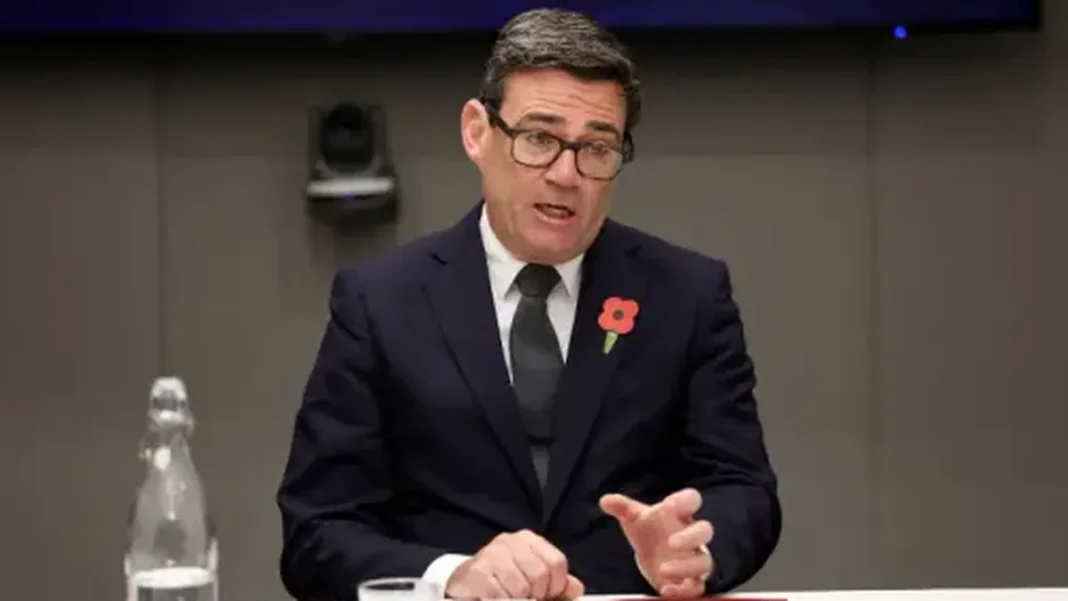
UK slavery apology is now on the table, but financial reparations are not. British Prime Minister Andy Burnham said on Saturday that he is open to a formal apology for Britain’s role in the transatlantic slave trade, while ruling out payments for historical wrongs.
Burnham set out his position in The Guardian, days before the Commonwealth summit in Antigua and Barbuda. Dawn reported that he offered a structured dialogue with affected countries, and said listening to apology calls would form an important part of it.
What Burnham said about a UK slavery apology
Burnham wrote that he wanted to express sorrow and regret for the pain and suffering of millions of people, and to recognise how slavery still shapes the world today. He called the transatlantic slave trade a brutal and barbaric violation of the rights of those enslaved.
“I want to express my sorrow and regret for the pain and suffering of so many millions and to recognise the way it still shapes our world today,” he wrote. He added: “Listening to calls for a formal apology on behalf of the British state will form an important part of this process, and I am open to them.”
Britain has never formally apologised for slavery, nor agreed to pay reparations, so his tone marks a shift even though he promised no apology itself. Any apology would follow the dialogue he proposed, not precede it.
Why reparations are ruled out
Burnham rejected financial compensation in clear terms. He wrote: “I do not believe that is the right answer.” He also wrote: “I do not think that British people today can be held liable for historical wrongs, however heinous, that happened in a different age under different laws and in which they played no personal part.”
In Burnham’s framing, the state can acknowledge a historic wrong without accepting that today’s taxpayers should pay for it. Caribbean leaders take a different view.
Instead of reparations, Burnham proposed a new drive on debt, to help vulnerable countries repay loans over a longer period and at better rates. Former prime minister Gordon Brown, a long-time debt relief advocate, is expected to attend the summit.
Why the debate matters at the Commonwealth summit
The summit runs from 1 November to 4 November in Antigua and Barbuda. Caribbean leaders are expected to press for reparatory justice, framed as debt relief, development finance, education and health investment, and climate help.
Antigua and Barbuda Prime Minister Gaston Browne welcomed Burnham’s comments and practical proposals, but said the Caribbean position had not changed. “The Caribbean’s longstanding position on reparatory justice remains unchanged,” he wrote in a Facebook post.
King Charles III is due to address the summit. In the Bahamas, he acknowledged the great suffering and injustices of the past, but stopped short of an apology. As a constitutional monarch, he speaks on behalf of the elected government.
For Pakistan, a Commonwealth member with a large diaspora in Britain, the debate carries weight, and heirs of people enslaved by Britain have already backed the Caribbean call.
The history behind the argument
At least 12.5 million Africans were abducted and sold into slavery during the transatlantic slave trade, according to the Transatlantic Slave Trade Database. Britain transported an estimated 3.2 million of them.
Frequently asked questions
Is the UK about to apologise for slavery?
No apology has been issued yet. Burnham said he is open to calls for one, after a structured dialogue with affected countries.
Why does Burnham rule out reparations?
He argues that people living in Britain today should not be held financially liable for historical wrongs in which they played no personal part.
What does Burnham propose instead of reparations?
A new drive on debt, to help vulnerable countries repay loans over longer periods at better rates.
When and where is the Commonwealth summit?
The Commonwealth Heads of Government Meeting runs from 1 November to 4 November in Antigua and Barbuda.
How many people did Britain transport during the slave trade?
Britain transported an estimated 3.2 million Africans, out of at least 12.5 million people abducted and sold during the transatlantic slave trade.