Pakistan’s New E-Passport: Chip, NFC and Laser Engraving
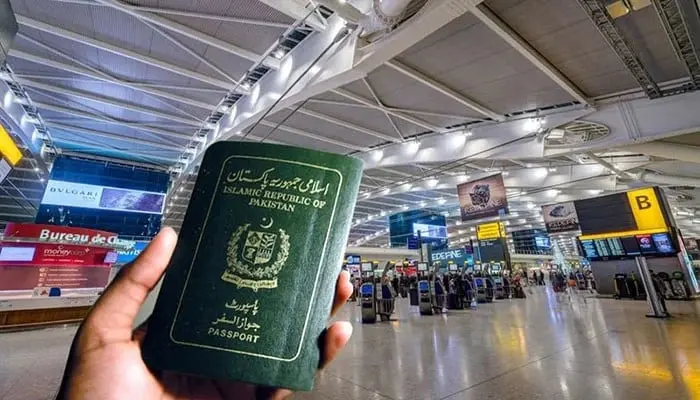
Pakistan’s new e-passport features advanced chip technology, biometric security, and faster identity verification, according to the Directorate General of Immigration and Passports (DGIP).
The new passport began issuing on October 23, 2026. The DGIP announced the rollout on October 28, describing it as a new era of secure, smart, and modern passport services. The document is designed to bring Pakistan’s travel documentation in line with modern international standards.
What is inside the new e-passport
The e-passport carries a modern electronic chip and Near Field Communication (NFC) technology. These features improve the protection of personal and biometric information stored in the document.
The document also features laser engraving and an updated design. Both are intended to strengthen security and make passports harder to forge. The DGIP says the passport uses data encryption in line with standards set by the International Civil Aviation Organization (ICAO). Those measures aim to improve the security and reliability of Pakistan’s travel documents.
Faster passage through immigration
The electronic features support automated verification at e-gates. Eligible travellers may therefore pass through immigration more quickly, with less time spent in traditional queues.
The system is also intended to help prevent identity fraud. It makes it easier for authorities to verify a passport holder’s personal and biometric details at the border. For frequent travellers, the change could mean shorter waits at airports in Pakistan and abroad, wherever e-gate systems can read the chip.
What it means for Pakistani travellers
For Pakistani travellers, the practical effect depends on where they travel. Many major airports now use e-gates for chip passports, and an ICAO-compliant document is more widely accepted by automated systems. The chip also gives border officers a stronger way to confirm that the document matches the holder.
Applicants should note that the rollout does not change the need to apply through the usual channels. The government announced the e-passport fee schedule earlier in October, covered in our report on the e-passport fees. That schedule set out the fees for five-year and ten-year passports, for 36-page and 72-page booklets, under normal and urgent processing. Travellers planning to apply should check the current fee for their category before visiting a passport office.
The launch also fits a wider shift toward digital public services in Pakistan. NADRA has moved toward cashless payments, and WhatsApp has added guest calls that work without an account, covered in our report on WhatsApp guest calls. Consumer technology is moving the same way, with Meta launching a free AI outfit app, covered in our report on the Meta outfit app. The e-passport adds travel documents to that digital direction. In addition, Pakistan climbed to 95th place in the Global Innovation Index 2026, covered in our report on the innovation ranking.
Frequently asked questions
When did Pakistan start issuing the new e-passport?
Issuance began on October 23, 2026, and the DGIP announced the rollout on October 28.
What technology does the new e-passport use?
It uses an electronic chip, NFC technology, laser engraving, and ICAO-standard data encryption.
Will the e-passport speed up immigration?
Yes, where e-gates are available. The chip supports automated verification, which can cut queue times for eligible travellers.
Does the new passport change the fee?
The fee schedule announced earlier in October remains the reference for applicants. Fees vary by validity period, page count, and processing speed.
*Source: ProPakistani, October 30, 2026. Further detail: ProPakistani’s report on the launch.*