Fall prevention for seniors starts with small, calm changes at home. A fall can shake confidence, even when it causes no serious harm. For that reason, many older adults start to move less after a fall, and then their legs grow weaker over time. A safer home helps break that cycle. It lets a person move with more confidence and keep doing daily tasks. This guide shares simple steps for the whole home. You can work through them one room at a time, at your own pace.
First, think about the home as a whole. Look for dark corners, loose rugs, and items left on the floor. Next, check the paths you use every day, from the bed to the bathroom and from the kitchen to the front door. These paths should stay clear and well lit. In addition, keep the items you use most often within easy reach. That way, you avoid climbing, stretching, and rushing. Small changes like these often make a big difference.
Why Falls Happen More Often as We Grow Older
As we grow older, our bodies change in quiet ways. Our eyesight may become less sharp, and our hearing may also change. For example, we may miss a step edge, a wet patch, or a sound that warns us of danger. In addition, our muscles may lose some strength, and our balance may feel less steady. These changes happen slowly, so we may not notice them at first. However, they can make a trip or a slip more likely.
Health changes can also play a part. For instance, some people feel dizzy when they stand up fast. Others may feel tired after a poor night of sleep. In fact, tiredness can slow reaction time and make careful steps harder. That is why rest matters, and a calm bedtime routine can help. You can read more about rest in this guide to how to sleep better without medication. Still, sleep alone does not remove all risk, so home safety stays important too.
Fall Prevention for Seniors Starts at the Front Door
The front door area sets the tone for the whole home. First, make sure the path to the door stays clear of shoes, bags, and garden tools. Next, check the doorstep for cracks, loose stones, or uneven ground. If the step feels wobbly, ask a family member or a trusted helper to look at it. In addition, a handrail near the steps gives steady support in wet or dark weather. A rail on both sides works best when space allows.
Good lighting at the entrance also matters a lot. For example, a bright light above the door helps you see the step and the lock clearly. Solar lights along a garden path can help too, because they switch on at dusk. However, lights should not shine straight into your eyes. Instead, place them low, so they light the path without glare. Then test the entrance at night, and fix any dark spots you find.
Inside the front door, keep a small bench or chair near the entrance, so you can sit to put on shoes instead of balancing on one foot. Also, place a tray near the door for keys and glasses, so you avoid searching in dark corners.
Make the Bathroom Safer
The bathroom deserves extra care, because wet floors make slips more likely. First, place a non-slip mat inside the bath or shower, and another mat on the floor beside it. Next, add grab bars near the bath, the shower, and the toilet. Grab bars give a firm grip, while towel rails do not, so use bars made for support. In addition, sit on a shower chair if standing for a long time feels tiring. A chair lets you wash in comfort, without rushing.
Water on the floor needs quick attention. For instance, wipe up splashes right after a shower, and keep towels within easy reach. Also, wear footwear with a good grip in the bathroom, instead of loose slippers. Then check that the toilet seat sits at a comfortable height. A raised seat can help some people stand up with less strain. If getting up feels hard, talk with a family member about simple aids that may help.
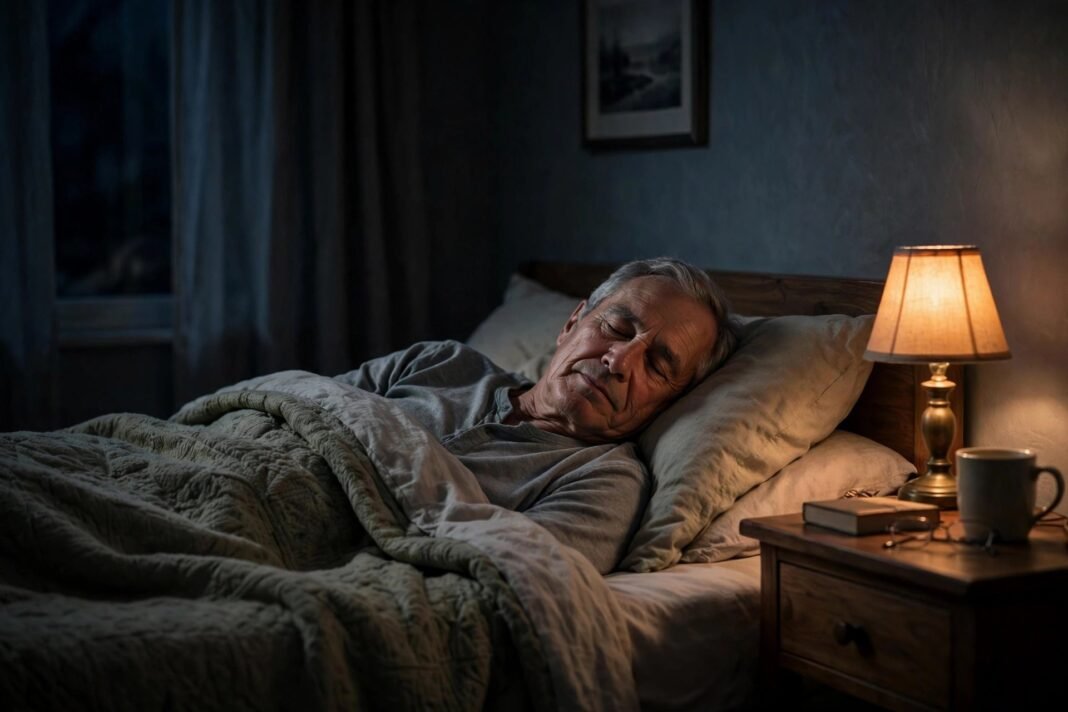
Night trips to the bathroom need special care. For example, a soft night light in the hall and in the bathroom helps you see the way without bright glare. In addition, keep the path clear of laundry baskets and loose rugs. Some people find a bedside lamp with an easy switch helps too. As a result, you avoid walking in the dark and feeling for the door. Small steps like these protect both safety and sleep.
Stairs, Kitchen and Bedroom Checks
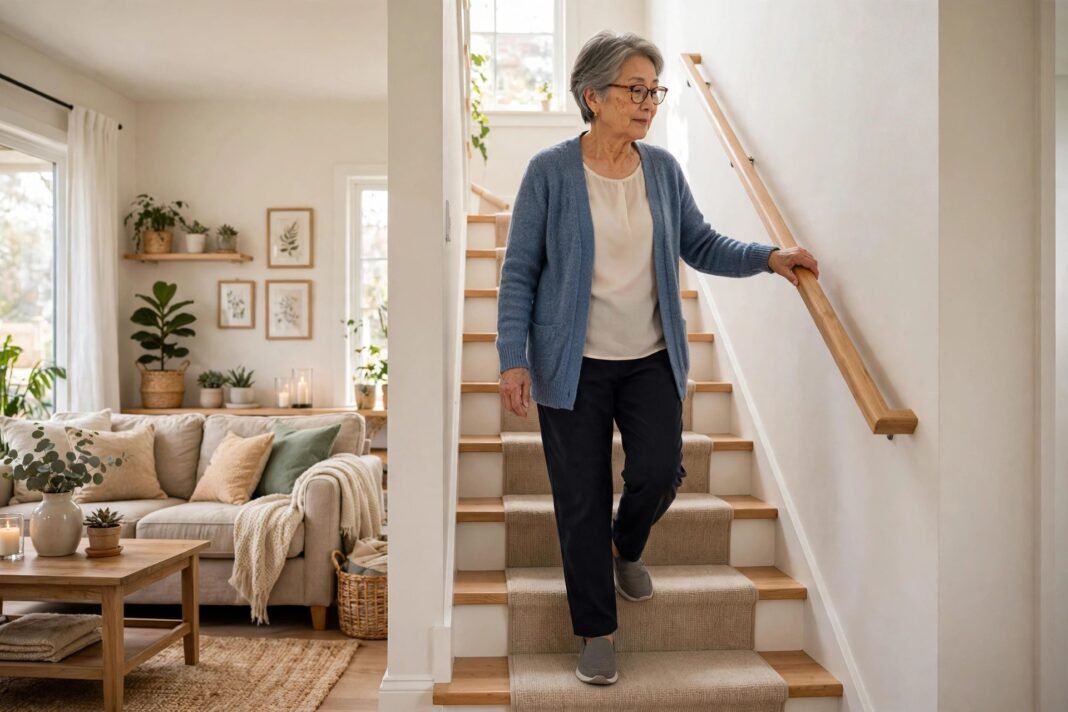
Stairs need a steady hand and a clear view. First, hold the handrail every time, even for one or two steps. Next, keep stairs free of books, clothes, and other items. If a stair carpet feels loose, fix it or remove it, because a fold can catch a foot. In addition, mark the edge of each step with a strip of bright tape if the steps look alike. That simple mark helps eyes judge depth with more ease.
In the kitchen, safety starts with reach and order. For example, store daily cups, plates, and pans at waist height, so you avoid climbing on chairs. Next, wipe up spills at once, especially oil and water near the stove. Also, wear closed shoes with a firm sole while cooking, instead of socks alone. Then sit down for tasks that take a long time, such as peeling vegetables. A chair near the counter turns a tiring job into a calm one.
The bedroom also needs a careful look. First, keep a clear path from the bed to the door, with no trailing cords or loose rugs. Next, place a lamp within easy reach of the bed, so you never walk in the dark. In addition, a firm chair near the bed gives a safe place to sit while dressing. Finally, rise slowly in the morning. Sit on the edge of the bed for a moment, then stand with care. That pause helps the body adjust before the first steps.
Fall Prevention for Seniors: Lighting, Footwear and Floors
Lighting, footwear, and floors work together to keep steps steady. First, check every room for dark corners and shadows. A bright, even light helps eyes spot edges, rugs, and small objects. Next, replace dim bulbs and add lamps where needed. In addition, use the same level of light in halls and rooms, so eyes do not need to adjust at each doorway. Curtains can also help, because they cut glare from strong sunlight.
Footwear matters more than many people expect. For instance, choose shoes with a low heel, a firm sole, and a back that holds the foot well. Loose slippers, high heels, and worn soles can all make a slip more likely. Also, check shoes often for wear, and replace them when the grip fades. Then try new shoes at home first, on a flat floor, before wearing them outside. Comfort and grip should both feel right before a longer walk.
Floors need the same care as shoes. For example, remove loose rugs, or fix them down with non-slip backing. Next, keep cords against the wall, away from walking paths. In addition, clean up clutter each day, even for a few minutes. A tidy floor gives feet a clear path and eyes a clear view. As a result, daily movement feels calmer, and the risk of a trip falls. These habits cost little, yet they protect every room in the home.
Gentle Balance and Strength Habits
Gentle movement helps the body stay steady. First, try short, easy activities that you enjoy, such as walking around the home or in the garden. You can find gentle walking ideas in this guide to the benefits of walking 10,000 steps a day. Next, add simple balance practice, like standing near a chair and holding it lightly while you shift weight from foot to foot. In addition, slow leg lifts while holding a chair can help keep leg muscles active. Stop at once if you feel pain, dizziness, or strong tiredness, and rest until you feel steady again.
Strength also grows from daily tasks. For example, standing up from a chair without using your hands, when you feel able, works the leg muscles. However, use a firm chair with arms, and keep a helper near you at first. Also, carry light items in both hands to stay balanced, instead of one heavy bag on one side. Then build up slowly, over days and weeks, rather than pushing hard in one day. Steady progress beats sudden effort every time.
Eyes and ears also affect balance, so regular checks help. For instance, an eye check can catch changes in vision before they cause trouble. A hearing check can help too, because hearing gives clues about space and movement. In addition, ask about glasses that suit daily life, since the wrong pair can blur step edges. If glasses feel off, or hearing feels unclear, book a check and mention any recent near falls. That honest talk helps the checker give useful advice.
Fall Prevention for Seniors: A Simple Weekly Home Check
A weekly home check keeps safety habits alive. First, walk through each room with a family member, if possible, and look for new risks. Next, check rugs, cords, lights, and rails, and fix small problems at once. In addition, test night lights and replace any dead bulbs. Then look at footwear, and set aside worn pairs for replacement. A short check each week takes only a few minutes, yet it catches problems early.
Family members can help in kind, practical ways. For example, they can move heavy items to lower shelves, clear clutter, and fit grab bars. Also, they can walk the home at night, to spot dark corners an older person may miss. In addition, a regular phone call gives a chance to ask about near falls or worries. If a fall does happen, stay calm, check for injury, and seek help at once. Afterward, talk through what happened, so the home can change and the same risk does not return.
What is the first small change you will make in your home this week? Share your idea with family, and start with the room you use most. Every step counts, and a safer home helps you stay active and independent for longer.
Please note: this article shares general information only. It is not medical advice, and it does not replace care from a healthcare professional. If you feel unsteady, have fallen, or worry about your balance, talk to a healthcare professional about your own situation.