Sindh Bans Gas Cylinders in School Vans
Sindh school van safety rules issued on Monday, November 2, 2026, ban CNG and LPG cylinders in all vehicles used to transport students. The Sindh Education Department issued the strict directives on the instructions of the provincial education minister, in a move aimed at cutting fire and explosion risks on the school run.
The rules apply widely. They cover school vans arranged by educational institutions, and also vans hired directly by parents. That second point matters, because many families arrange transport privately and may assume school rules do not reach them. Under these directives, they do.
Sindh school van safety: what is now banned
The headline ban covers gas cylinders. No CNG cylinder and no LPG cylinder may be carried in a vehicle used to transport students. The department also banned a second dangerous practice: supplying petrol directly to a vehicle engine from bottles, cans or other makeshift containers, instead of using the designated fuel tank. Officials cited serious safety risks for both bans.
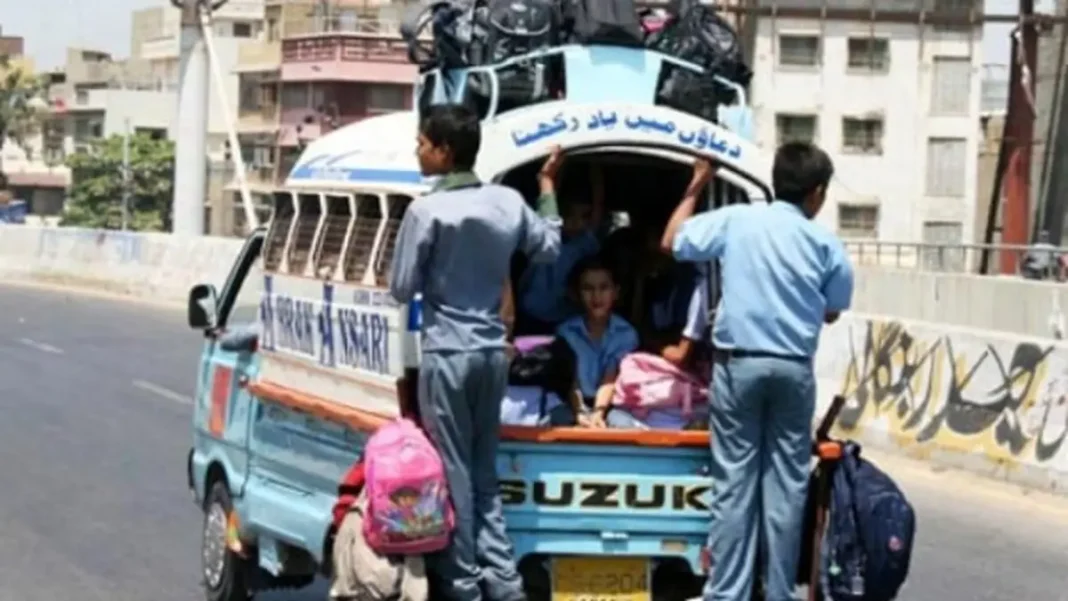
Seating rules form the second part of the package. School vans must not exceed their authorised seating capacity. Students cannot travel on footboards, hang from moving vehicles, or sit or stand in unsafe positions. These rules target the overcrowding and unsafe riding that parents often see at school gates, and they give schools and inspectors a clear standard to enforce.
Fitness certificates and enforcement
Every vehicle transporting students must hold a valid fitness certificate issued by the Sindh Transport Department. A copy of that certificate must be kept inside the vehicle, so it can be shown during inspection. That detail turns a paper requirement into a roadside check: a van without a certificate copy in the vehicle fails the test on the spot, even if paperwork exists somewhere else.
Private schools must ensure compliance with these requirements and with all relevant laws. The department warned that violations or negligence would result in action against the responsible school administrations under applicable rules. The directives do not set out a new fine scale in the material reviewed, so parents and schools should watch for follow-up enforcement notices rather than assume a fixed penalty.
What parents should check
Parents can use the new rules as a short checklist before they pay for a van seat. First, ask whether the van carries any CNG or LPG cylinder, and refuse a seat if it does. Second, check that children sit inside the vehicle, within its seating capacity, with no child on a footboard or hanging from the door. Third, ask to see the fitness certificate copy kept inside the van.
Schools can help by publishing their van lists and fitness status, and by telling parents which vans they have cleared. Clear lists would make the ban easier to follow than a general warning alone.
Related Feature Pakistan coverage includes School Van Fares Rise by Up to 40% in Islamabad and Rawalpindi, which shows how van costs and safety pressures reach families in other cities too. Sindh families face a different question now: not just what a seat costs, but whether the van carrying their child meets the new safety standard.
What happens next
The test of these rules will be inspection, not announcement. Transport and education officials must check vans on routes, act on violations, and tell the public what action followed. Schools that move early, by removing cylinders and fixing seating, will face the least disruption. Schools that wait for a check may face action against their administration.
Frequently asked questions
What does the Sindh school van safety order ban?
It bans CNG and LPG cylinders in all vehicles used to transport students, and bans feeding petrol to engines from bottles, cans or makeshift containers.
Do the rules apply to vans hired by parents?
Yes. The directives apply to school vans arranged by institutions and to vans hired directly by parents.
What seating rules apply to school vans?
Vans must not exceed their authorised seating capacity, and students cannot travel on footboards, hang from moving vehicles, or sit or stand in unsafe positions.
Must a fitness certificate be carried in the van?
Yes. Each student vehicle must hold a valid fitness certificate from the Sindh Transport Department, with a copy kept inside the vehicle for inspection.
What happens if a school breaks the rules?
The department warned that violations or negligence would result in action against the responsible school administrations under applicable rules.