Pakistan, South Korea Sign Judicial Cooperation MoU
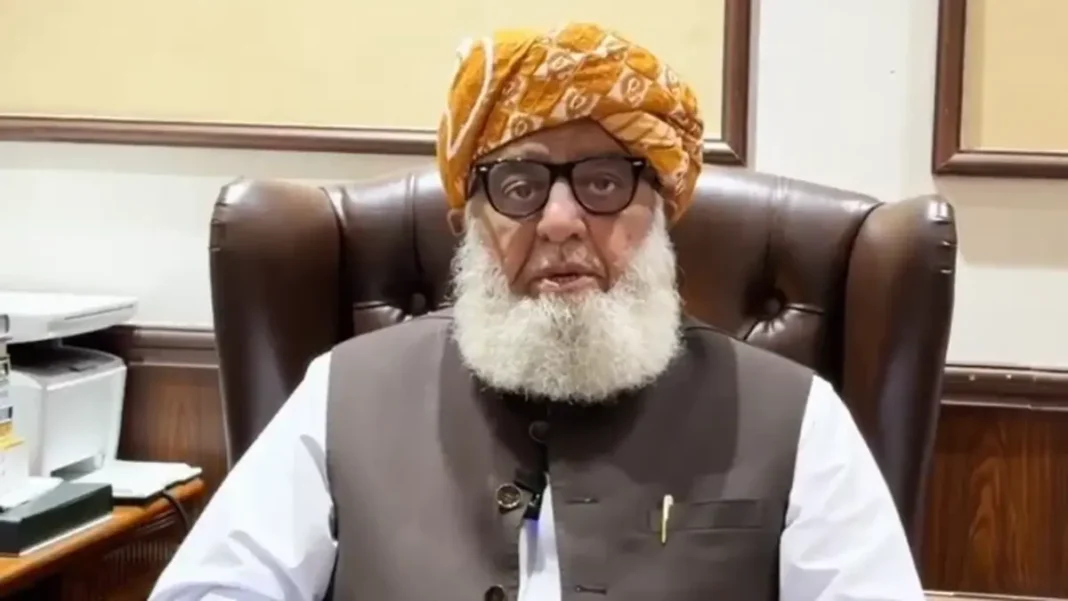
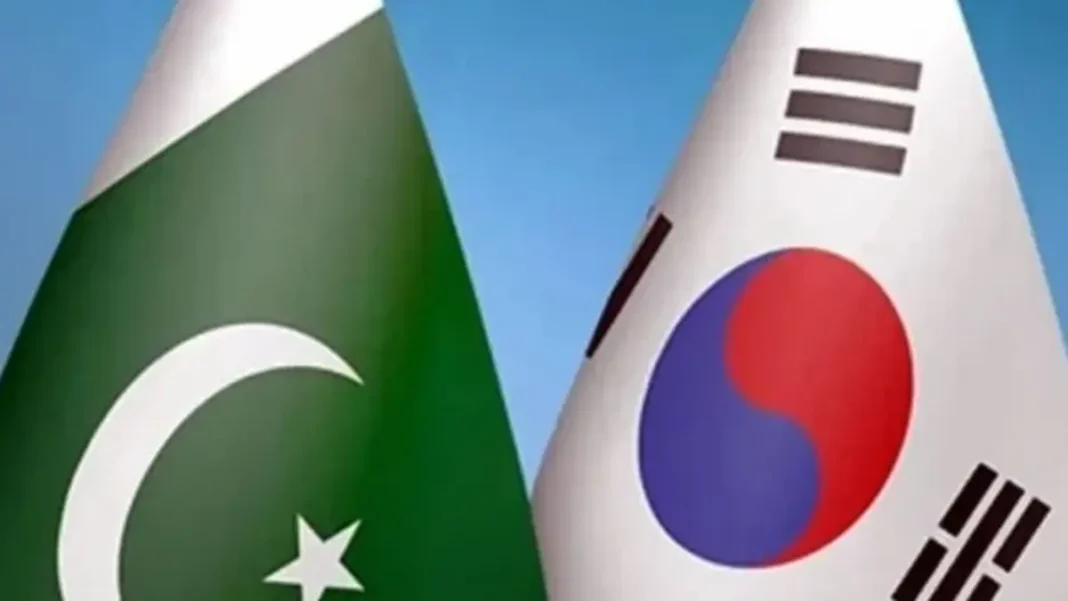
The Pakistan South Korea judicial MoU was signed in Seoul on Monday, opening a formal channel for cooperation between the supreme courts of the two countries. Chief Justice of Pakistan Yahya Afridi, who is on an official visit to Korea, signed the memorandum with Korean Supreme Court Chief Justice Jo Hee-de at the Korean Supreme Court.
According to a statement issued by the Supreme Court of Pakistan, the MoU will open new avenues for institutional collaboration, judicial knowledge exchange, and technological innovation. The two chief justices held substantive discussions on strengthening institutional relations, encouraging mutual learning, and exploring closer cooperation between the two judiciaries.
The signing marks a milestone in judicial relations between Pakistan and South Korea. It gives both courts a framework for sustained engagement, rather than relying on occasional visits and informal contacts.
Pakistan South Korea judicial MoU: what it covers
The MoU provides a comprehensive framework for institutional engagement. It covers judicial exchanges, professional capacity building, judicial education, collaborative research, and the sharing of institutional experiences and best practices.
It places particular emphasis on judicial reform and modernisation. The priority areas include electronic court systems, digital justice, artificial intelligence and its responsible use in judicial administration, smart courts, judicial analytics, and cybersecurity.
That focus reflects a shared challenge. Courts in many countries are trying to cut backlogs, manage digital evidence, and protect case data from cyber threats. Pakistan’s courts face the same pressures, with large pending caseloads and growing demand for faster hearings.
The framework also envisages reciprocal judicial delegations, professional attachments, study visits, expert exchanges, joint conferences and seminars, and periodic high-level judicial dialogue. It provides an institutional mechanism for coordinating and advancing mutually agreed initiatives, turning the commitment to cooperation into practical and sustained engagement.
Why digital justice matters for Pakistan
For Pakistani litigants, the most relevant parts of the MoU may be the least ceremonial. Electronic court systems can reduce adjournments caused by missing files. Digital case management can show litigants where their case stands. Judicial analytics can help court administrators spot bottlenecks, such as districts where cases pile up or categories that take longest to decide.
Artificial intelligence in judicial administration raises harder questions. Used carefully, it can help with scheduling, translation, and legal research. Used carelessly, it can introduce errors or bias into decisions that affect liberty and property. The MoU’s wording on “responsible use” signals that both courts are aware of that line. The practical test will be whether exchanges produce safeguards as well as software.
Cybersecurity is equally pressing. Courts hold sensitive personal data, from family disputes to commercial secrets. A breach would damage trust in the institution itself. Cooperation on secure systems is therefore a practical need, not a decorative one.
Pakistan’s judiciary has been in the news for major rulings as well as reform efforts. Feature Pakistan has reported on the Supreme Court’s recent medical negligence ruling, which set a gross negligence test for doctors. The courts have also dealt with high-profile political cases, including arrest warrants upheld against KP Chief Minister Sohail Afridi. Reform of court administration runs alongside those rulings, and the MoU fits that wider effort.
Governance and accountability questions surface in parliament too. Feature Pakistan has covered a Senate panel’s scrutiny of FATA and PATA tax exemptions and allegations of illegal occupation of government houses raised before a National Assembly committee. Judicial reform does not happen in isolation from those debates, since courts are often asked to settle the disputes they generate.
What happens next
The MoU itself does not change any law or court procedure. Its value will depend on follow-through. The first signs to watch are reciprocal delegations, joint training programmes, and study visits on electronic courts and digital justice.
If those exchanges lead to pilot projects in Pakistan’s courts, litigants may see faster scheduling and clearer case tracking. If the MoU remains a signed document with no programme behind it, its effect will be limited to the symbolism of the Seoul meeting.
For now, the signing gives Pakistan’s judiciary a structured partner in a country known for advanced court technology. The next step is to turn that partnership into working arrangements that reach courtrooms.
Frequently asked questions
Who signed the Pakistan-South Korea judicial MoU?
Chief Justice of Pakistan Yahya Afridi and Korean Supreme Court Chief Justice Jo Hee-de signed the MoU at the Korean Supreme Court in Seoul during Afridi’s official visit to Korea.
What does the MoU cover?
It covers judicial exchanges, professional capacity building, judicial education, collaborative research, and sharing of best practices. Priority areas include electronic court systems, digital justice, artificial intelligence, smart courts, judicial analytics, and cybersecurity.
Does the MoU change Pakistani law?
No. The MoU is a framework for cooperation, not a change in law or court procedure. Its effect will depend on follow-up programmes such as delegations, training, study visits, and joint conferences.
Why is artificial intelligence mentioned in the MoU?
The MoU covers artificial intelligence and its responsible use in judicial administration. AI can help with scheduling, research, and case management, but it needs safeguards so errors or bias do not affect court decisions.
What are smart courts?
Smart courts use digital systems for case filing, scheduling, hearings, and records. The aim is faster, more transparent proceedings and better management of large caseloads.