Punjab Primary Curriculum to Lighten Schoolbags
The Punjab government is planning a revised curriculum for early childhood education to Grade V, with textbooks 25 per cent lighter and QR code video lessons built into the books. The Punjab primary curriculum changes are set to reach classrooms from April next year, when the new academic session begins.
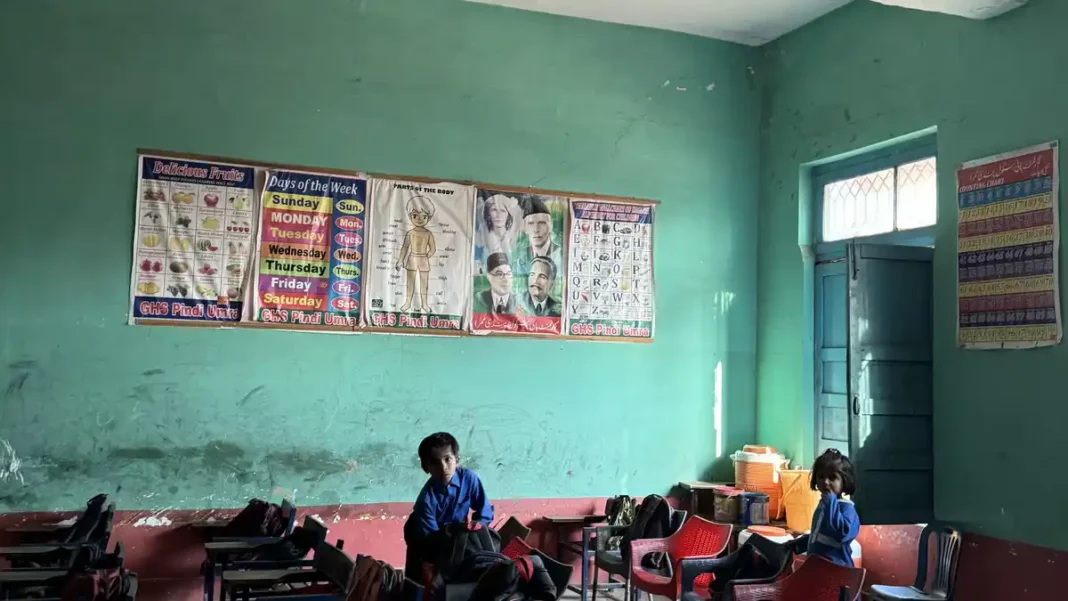
The decision was discussed during an education reforms meeting, and it responds to a complaint heard often from parents in Lahore and other major cities. Young children carry multiple textbooks, notebooks, workbooks and supplementary course material to school each day. The load has grown as schools add practice books and extra activities without removing older material.
What the Punjab primary curriculum changes
Under the plan, the revised curriculum will cut textbook volume by 25 per cent. Books will carry QR codes that students can scan on a digital device to watch video lessons linked to the topic. The aim is to make classroom learning more interactive, and to give children an audiovisual explanation alongside the printed text.
Difficult topics in mathematics and science could become easier to grasp through demonstrations and visual presentation. The digital component also lets students revise lessons at home and learn at their own pace. For a child who missed a point in class, a short video on the same topic may fill the gap without extra tuition.
The reform covers early childhood care and education up to Grade V. That range matters, because the early grades set reading, number and language habits for later schooling. A lighter bag in those years also eases a daily physical burden that parents and doctors have raised for years.
What will change in the classroom
Alongside compulsory subjects, primary pupils are often expected to carry grammar and mathematics practice books, general knowledge material, computer science books, activity workbooks and other learning resources. Supplementary courses and added activities increase the load further, while homework and classroom hours stay fixed.
Educationists quoted in the discussion warned that a cut in textbook pages alone may not ease pressure. Schools would also need to review supplementary reading, homework policies and examination practices. If institutions keep prescribing additional books and practice material, the benefit of lighter textbooks could fade.
The government will therefore need to ensure that private and public sector schools follow the revised curriculum without expanding the prescribed workload on their own. That enforcement point is the real test of the reform. A curriculum can promise lighter bags, but only school practice decides what a child actually carries each morning.
The timetable for the new books
A senior official of the Punjab Education Curriculum, Training and Assessment Authority said the revised curriculum has been prepared and sent to Cambridge International Education authorities for assessment and comparison with international standards. That external check gives the reform a benchmark beyond the province.
The final curriculum content is expected to be ready in December. Printing of the revised textbooks will begin in January, and the books are scheduled to be available before the new academic session starts in April. The sequence leaves little room for delay, since printing and distribution across the province take time.
Parents should also note a practical question that the plan raises. QR code lessons need a device and a connection at home, and not every household has both. Schools will need a plan for children who cannot scan codes at home, so that video lessons support classroom teaching rather than replace it for some pupils only.
Why the reform matters for Punjab families
For families, the change touches daily life in a direct way. A lighter schoolbag means less strain for a small child on the walk to school and back. Shorter, clearer books may also mean less time spent hunting through extra material at homework time.
The reform also fits a wider pattern of curriculum change in Pakistan. Feature Pakistan earlier reported on a new national curriculum for schools, covered in Pakistan new national curriculum for schools. Learning support has also been in focus, as seen in the National Assembly committee debate on support for dyslexic children, reported in NA panel seeks support for dyslexic children. School reform in the federal capital moved in a similar direction, as covered in Shehbaz reviews Islamabad school reforms.
The Punjab plan will be judged in April, when the books reach classrooms. If bags are lighter, if QR lessons work, and if schools hold back on extra material, parents will feel the difference at once. If extra books return through the back door, the reform will need a second push.
Frequently asked questions
What is changing in the Punjab primary curriculum?
Punjab is revising the curriculum for early childhood education to Grade V, with textbooks 25 per cent lighter and QR code video lessons added to the books.
When will the new textbooks reach schools?
The final curriculum content is expected in December, printing will begin in January, and the books are scheduled to be available before the new academic session starts in April.
How will the QR code lessons work?
Students will scan a code in the textbook on a digital device to watch a video lesson on the same topic. The videos are meant to support classroom teaching and home revision.
Will lighter books alone reduce pressure on children?
Not on their own. Educationists warn that schools must also review supplementary books, homework and exams, or the extra load will return in another form.
Who prepared the revised curriculum?
The Punjab Education Curriculum, Training and Assessment Authority prepared it, and it has been sent to Cambridge International Education authorities for assessment against international standards.