Petrol Price Cut to Rs369.06 for November 4
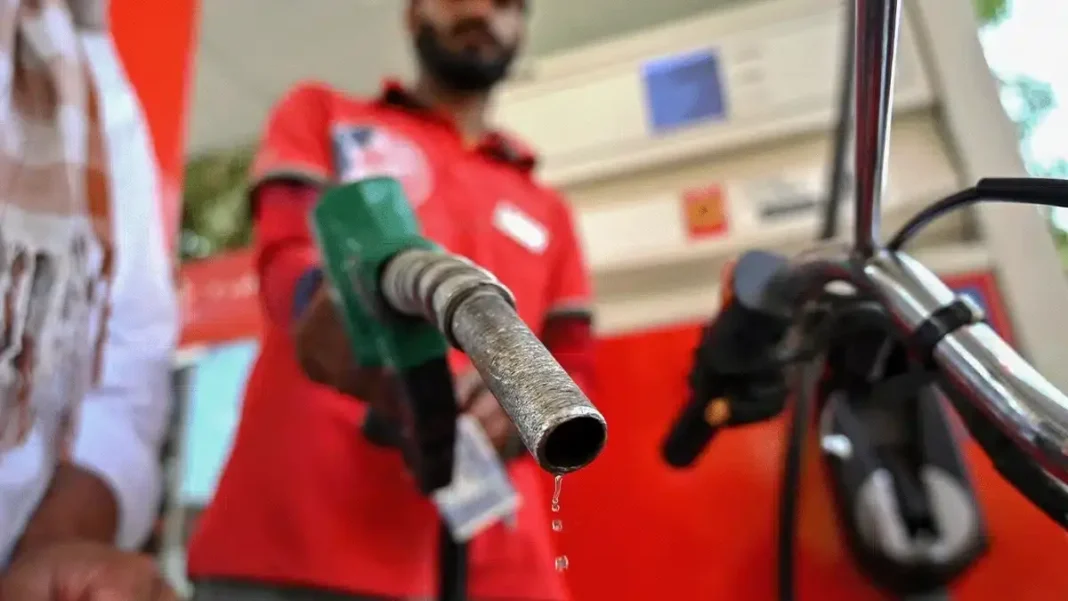
The government has announced a petrol price cut for November 4, taking petrol down by Rs5.45 per litre to Rs369.06. High-speed diesel falls by Rs3.68 per litre to Rs391.52. The new rates come from a notification by the Oil and Gas Regulatory Authority (OGRA), and they apply for Wednesday, November 4.
It is the second cut in two days under the daily pricing system. On Monday, petrol fell by Rs3.40 per litre to Rs374.51, while diesel fell by Rs7.76 to Rs395.20. Taken together, the two cuts bring petrol down by Rs8.85 per litre from Rs377.91 on October 30, and diesel down by Rs11.44 from Rs402.96 on the same day.
Petrol price cut: the new rates
Petrol moves from Rs374.51 to Rs369.06 per litre. Diesel moves from Rs395.20 to Rs391.52 per litre. The arithmetic checks out on both fuels, and Dawn, Tribune and Geo all report the same pair of new prices.
The government still levies heavy taxes on both fuels. It charges Rs114 per litre in taxes and duties on petrol, and Rs100 per litre on diesel. Those levies stay in place even as the base price falls, which limits how much of any global price drop reaches the pump.
International prices gave the cut room to happen. Brent crude futures fell by $1.63, or 2 per cent, to $103.14 a barrel at 8:44pm Pakistan time on Tuesday. United States West Texas Intermediate crude fell by 67 cents, or 1 per cent, to $95.79. Brent was set for its lowest close since October 7, while WTI was set for its lowest close since October 14.
Why the cut matters for households and transport
Petrol is mainly used in private transport, small vehicles, rickshaws and two-wheelers. A cut therefore helps middle and lower-middle income households first, since those groups rely most on motorbikes and small cars. Diesel works differently. It powers heavy transport, power plants and large generators, so a diesel cut feeds through to freight costs and to goods prices over time.
The timing also matters for the wider fuel debate. The government and Jamaat-i-Islami held another round of talks on fuel relief on Tuesday, and they agreed to keep talking in the coming days. Feature Pakistan covered those talks in its report on JI petroleum levy talks and fuel relief. The new cut does not settle that debate, since the petroleum levy itself remains in place.
Petroleum Minister Ali Pervaiz Malik hinted at the cut before the notification arrived. He told a press conference that efforts were under way to bring a similar system to liquefied petroleum gas (LPG). He also said that even better news would come before the public. Readers following winter fuel supply can also read the government’s assurance on winter gas for three daily meals.
The refinery deal behind the lower prices
A separate arrangement announced on Monday also shapes the new prices. Under that deal, oil refineries will contribute to the petroleum levy by bearing a cumulative impact of Rs15 billion over 30 days. The government says this allows a Rs14.71 reduction in the petrol price at the consumer end.
The arrangement runs for 30 days only, given what the government calls unusual circumstances. It does not change the daily pricing system itself. Prices will still move each day with international trends, so Wednesday’s rates are not a promise for Thursday.
The daily system began on July 17, when the petroleum minister gave OGRA the job of setting prices each day from international market trends. Before that, the government had announced weekly revisions since early March, alongside measures to save fuel amid possible supply disruption from the Middle East conflict.
How far prices have fallen from their peak
The latest cut still leaves prices far above where they started the year. Petrol peaked at Rs458.41 per litre on April 3, after rising from Rs266 in the first week of March. Diesel peaked at Rs520.35 on April 3, after rising from Rs281 per litre when the United States-Iran war began on February 28.
Petrol and diesel are the main revenue earners among fuels, with monthly sales of about 700,000 to 800,000 tonnes combined, against just 10,000 tonnes for kerosene.
Frequently asked questions
What are the new petrol and diesel prices for November 4?
Petrol costs Rs369.06 per litre and high-speed diesel costs Rs391.52 per litre from November 4, under an OGRA notification issued on Tuesday, November 3.
How much did petrol and diesel fall?
Petrol fell by Rs5.45 per litre and diesel fell by Rs3.68 per litre in the November 4 revision.
What were the prices on November 3?
Petrol cost Rs374.51 per litre and diesel cost Rs395.20 per litre on November 3, after Monday’s cuts of Rs3.40 and Rs7.76 respectively.
How much tax does the government charge on fuel?
The government levies Rs114 per litre in taxes and duties on petrol and Rs100 per litre on diesel, and those levies remain unchanged by this cut.
Will prices stay at these levels?
No. Prices are set daily by OGRA from international market trends, so the November 4 rates apply for one day and can change again in the next revision.