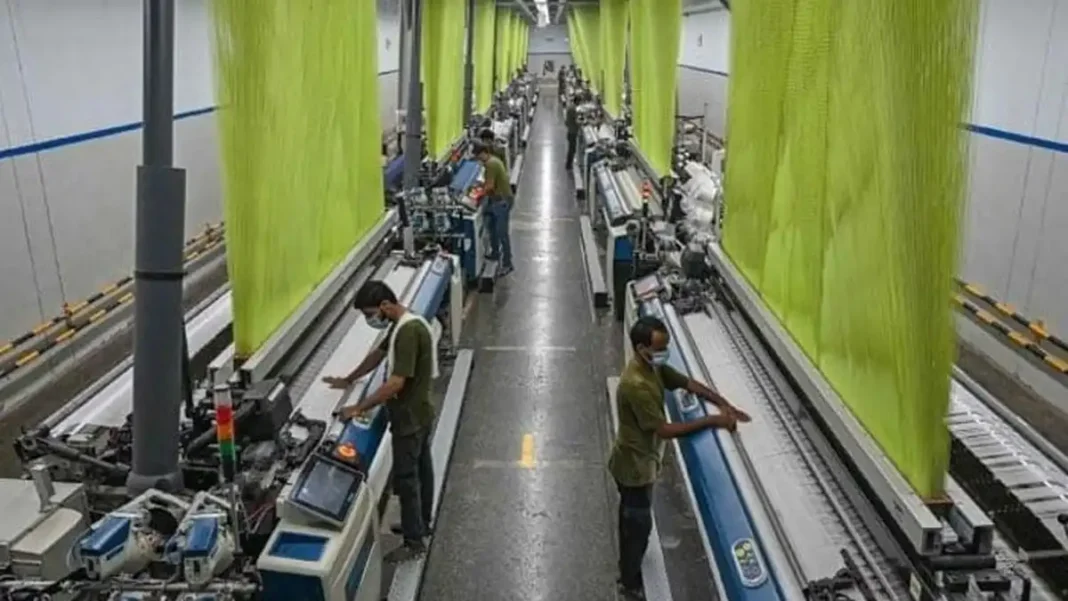
Kazakhstan Pakistan Trade Roadmap Set for Five Years
Kazakhstan has developed a five-year Kazakhstan Pakistan trade roadmap to expand trade and investment between the two countries. Deputy Prime Minister Sirjan Zhomangarin outlined the plan during a meeting with Qaiser Ahmad Sheikh in Almaty, as both sides reaffirmed their commitment to stronger bilateral economic relations.
The meeting, described in a statement issued by the Board of Investment on Tuesday, focused on increasing trade, exploring new investment opportunities and turning existing agreements into concrete results. Tribune reported that both sides stressed business-to-business cooperation, private-sector engagement and better banking channels to facilitate trade and investment.
What the Kazakhstan Pakistan trade roadmap covers
Sheikh emphasised the need to promote business-to-business cooperation and improve banking channels, so that firms on both sides can trade and invest with fewer obstacles. He highlighted opportunities in e-commerce, warehousing, textiles and mining, and he noted that Kazakhstan’s affordable energy could attract Pakistani investment in the textile sector.
Zhomangarin said a five-year roadmap had been developed to advance cooperation. He noted that Pakistan’s market of approximately 250 million people offered significant opportunities for Kazakhstan, while Pakistan could use Kazakhstan as a gateway to the wider Eurasian market. That two-way logic sits at the heart of the plan: a large consumer market on one side, and a route into Central Asia and beyond on the other.
Direct air connectivity also featured in the talks. Zhomangarin highlighted the need for direct flights between Pakistan and Kazakhstan to facilitate business, trade and people-to-people exchanges. He also said Kazakhstan’s foreign minister would visit Pakistan to attend the preparatory meeting for the Shanghai Cooperation Organisation.
Why earlier agreements need implementation
A central theme of the meeting was implementation. The memorandums of understanding signed during President Asif Ali Zardari’s visit to Kazakhstan in February required early implementation to translate commitments into tangible economic benefits, Sheikh stressed.
That point matters because trade announcements often outrun trade itself. Agreements signed on a state visit set the direction, but firms need banking channels, warehousing, transport links and follow-up meetings before orders flow. The five-year roadmap is, in effect, an attempt to give those February commitments a timetable and a structure.
Zhomangarin also expressed his desire for Pakistan’s prime minister to visit Kazakhstan, and he reaffirmed his country’s commitment to strengthening bilateral relations. Both sides emphasised stronger connectivity, effective implementation of existing agreements and greater private-sector engagement.
Why it matters for Pakistan
For Pakistan, the roadmap opens a Central Asian front in its trade policy. The country has been building economic links across the region, and Kazakhstan adds a large, energy-rich partner to that effort. Textiles, a sector where Pakistan already has deep capacity, stand out as an early area of interest, especially if affordable Kazakh energy can support new investment.
The gateway argument runs the other way too. Feature Pakistan has reported on Pakistan setting a $200 million trade target with Tajikistan and on Pakistan offering Central Asia a gateway to global trade through its ports. The Kazakhstan roadmap fits the same pattern: Pakistan’s ports and markets on one side, Central Asian partners on the other, with trade routes joining them.
Small and mid-sized firms may gain the most from the practical steps discussed, from better banking channels to warehousing and e-commerce links. Those are the unglamorous parts of trade policy, but they decide whether a small exporter can actually ship, get paid and repeat the order.
What happens next
The next steps are follow-through, not fresh announcements. The February memorandums need implementation, the Kazakh foreign minister’s visit for the Shanghai Cooperation Organisation preparatory meeting offers a natural checkpoint, and a possible prime ministerial visit would give the roadmap political weight.
Businesses will watch for specifics: which banking channels improve, whether direct flights move from discussion to schedule, and which sectors see the first joint ventures. The roadmap sets a five-year horizon, but its credibility will rest on what changes in the first year.
Frequently asked questions
What is the Kazakhstan Pakistan trade roadmap?
It is a five-year plan developed by Kazakhstan to expand trade and investment with Pakistan, covering business cooperation, banking channels, connectivity and private-sector engagement.
Who discussed the roadmap?
Kazakhstan’s Deputy Prime Minister Sirjan Zhomangarin discussed it with Qaiser Ahmad Sheikh during a meeting in Almaty, according to a Board of Investment statement.
Which sectors were highlighted?
E-commerce, warehousing, textiles and mining were highlighted, with Kazakhstan’s affordable energy noted as a possible draw for Pakistani textile investment.
Why does the roadmap mention February agreements?
Memorandums of understanding were signed during President Asif Ali Zardari’s visit to Kazakhstan in February, and Sheikh stressed that they required early implementation to produce tangible economic benefits.
What comes next?
Implementation of the February agreements, the Kazakh foreign minister’s visit for a Shanghai Cooperation Organisation preparatory meeting, and possible progress on direct flights and a prime ministerial visit.