Sindh Embryo Transfer Cattle Project Hailed
Sindh has completed its first embryo transfer cattle experiment, in a step the provincial government says will modernise livestock breeding and raise milk and meat production. The experiment was carried out through a collaboration between the Sindh Livestock Department and a private organisation, FoneGrow, at the Sindh Institute of Animal Science.
Livestock Minister Muhammad Ali Malkani briefed Chief Minister Syed Murad Ali Shah on the successful experiment and the wider project. The chief minister said the advanced technology would help develop superior cattle breeds in a much shorter period than traditional methods.
Embryo transfer cattle: what Sindh has done
Embryo transfer lets breeders multiply the offspring of high-quality animals faster than natural breeding allows. In simple terms, embryos from superior donor animals are placed in surrogate animals, which then carry and deliver the calves. The result is more calves from the best bloodlines in less time.
Sindh’s government says that difference is large. The chief minister explained that improving livestock breeds through traditional methods took around 30 years. With embryo transfer technology, he said, the same improvement could be completed in just five years.
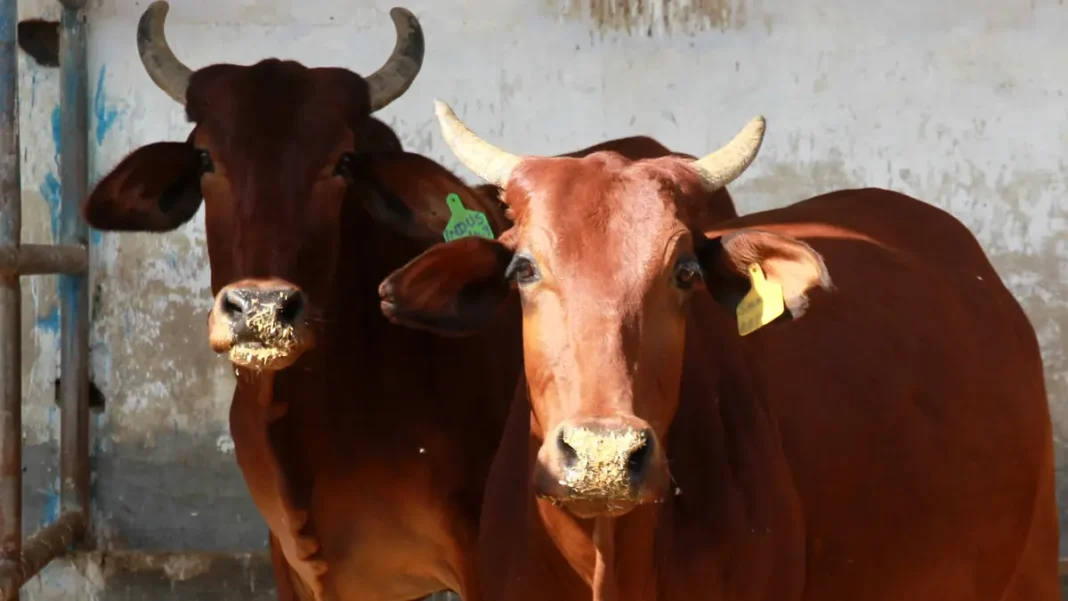
To expand the initiative, the Sindh government has placed an order for 132 embryos of the Red Sindhi and Guzera cattle breeds. Red Sindhi is a breed closely linked with Sindh, while Guzera is a well-known dairy and beef breed. The order signals that the project is moving from a single experiment to a wider breeding programme.
Why it matters for Sindh farmers
Livestock is a daily income source for many rural households in Sindh. Milk sales, meat production and the sale of healthy animals all depend on breed quality. A cow that gives more milk, or an animal that grows faster on the same feed, directly raises a farming family’s income.
That is why breed improvement matters beyond the laboratory. If the embryo programme delivers healthier and higher-yielding animals at scale, small farmers could see real gains within a few breeding cycles, rather than waiting a generation. The five-year claim from the chief minister should be read in that light: it is a goal for faster improvement, and farmers will judge it by the animals they actually receive.
The project also fits a wider push to modernise farming in the province. Recent coverage of smart farming and livestock methods shows how technology is entering agriculture, from better seed to better breeds. At the same time, farmers face input cost pressure, as seen in the debate over fertiliser subsidies for the current crop season. Breed gains will only help if feed, health care and markets keep pace.
What to watch next
Several details are still missing. The government has not yet said how the 132 embryos will be distributed, which districts or farms will receive the first calves, or what support farmers will get for feeding and veterinary care. It has also not published success rates from the first experiment, such as how many transfers produced live calves.
Those details matter. Embryo transfer is a proven technique worldwide, but results depend on animal health, handling and follow-up care. A transparent account of the first experiment’s outcomes would help farmers trust the programme and plan around it.
For now, the confirmed facts are clear: the first experiment is complete, the livestock department and FoneGrow ran it at the Sindh Institute of Animal Science, the chief minister has backed it, and 132 embryos have been ordered. The next test is delivery on farms across Sindh.
Frequently asked questions
What is embryo transfer in cattle breeding?
It is a technique in which embryos from superior donor animals are placed in surrogate animals, which carry and deliver the calves. It produces more calves from the best bloodlines in less time than natural breeding.
What did Sindh achieve in this experiment?
Sindh completed its first embryo transfer experiment through the Livestock Department and FoneGrow at the Sindh Institute of Animal Science. Livestock Minister Muhammad Ali Malkani briefed Chief Minister Murad Ali Shah on the success.
How many embryos has Sindh ordered?
The Sindh government has placed an order for 132 embryos of the Red Sindhi and Guzera cattle breeds to expand the initiative.
How much faster is breed improvement with this technology?
Chief Minister Murad Ali Shah said a process that traditionally took around 30 years to improve livestock breeds could now be completed in just five years with embryo transfer technology.
How will this help farmers?
Better breeds can raise milk and meat production, which directly affects rural household incomes. The benefit will depend on how widely the improved animals reach farmers and on feed, health care and market support.
What details are still missing?
The government has not yet announced how the 132 embryos will be distributed, which farms will receive the first calves, or the success rates from the first experiment.