EU 72-Hour Emergency Guidelines for Citizens
The EU 72-hour emergency guidelines ask households across the European Union to be ready to meet their own essential needs for the first three days of a crisis. The European Commission presented the guidelines on November 3 at the European Civil Protection Forum in Brussels.
Commissioner for Equality, Preparedness and Crisis Management Hadja Lahbib presented the package. She also announced plans for an annual EU Preparedness Day, with the first edition proposed for October 23, 2027. The guidelines are non-binding, which means they advise national authorities rather than ordering citizens to act.
The message behind the package is simple. When disaster strikes, public help can take time to reach every household. Families that hold basic supplies and know what to do can bridge that gap. The Commission framed the work as practical preparation, not a warning of a specific imminent attack or disaster.
What the EU 72-hour emergency guidelines cover
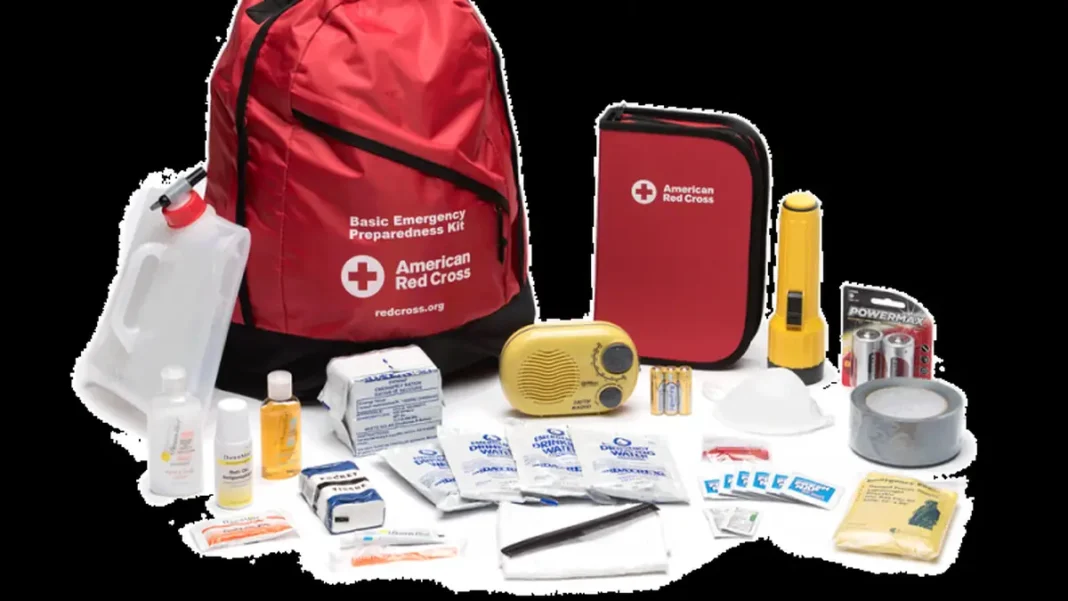
The guidelines cover four areas. The first is 72-hour self-sufficiency. Households should be able to cover essential needs during the first three days of an emergency, while public assistance is being mobilised. Coverage of the package lists water, food, medicines, means of communication and cash among the essentials, along with familiarity with first aid. Emergency grab bags form part of the same advice.
The second area is preparedness education. Practical skills should enter early childhood and primary education, with training for educators and age-appropriate activities for children. The Commission stressed that the activities should build skills without creating fear or anxiety. Preparedness would sit inside existing teaching, not as a separate subject that alarms young pupils.
The third area is disability-inclusive planning. Preparations must stay accessible, and people with disabilities should take part in planning. Warning systems, evacuation plans and alert messages should reach everyone, whatever their needs. The aim is a system in which nobody is left behind when a crisis hits.
The fourth area is clear risk communication. Authorities should give timely, accessible and reliable information about risks and threats before, during and after emergencies. Messages should suit different audiences and help counter disinformation. A warning that people cannot understand, or cannot trust, fails at the moment it matters most.
Why the guidelines matter now
Europe faces increasingly frequent and complex crises, according to the Commission. Natural disasters, climate-linked hazards, health emergencies and other threats can cascade across borders. A flood can cut power, which can halt communications, which can then disrupt transport and supply chains. Planning for the first three days addresses the period when those knock-on effects bite hardest.
The guidelines build on the EU Preparedness Union Strategy, adopted in March 2025. That strategy drew on the Niinistö Report and set out a whole-of-society approach to resilience. The new guidelines turn part of that strategy into practical steps for national authorities, with four accompanying guidance documents that carry examples of good practice from member states and around the world.
A separate recommendation on operational continuity and stress-testing sits alongside the guidelines. It aims to keep national civil protection contact points working at all times, even during disruptive events. If the coordination centres fail, the wider response fails with them, so the Commission wants their continuity plans tested in advance.
What happens next for EU Preparedness Day
The proposed EU Preparedness Day would fall every October 23, starting in 2027. The date marks the anniversary of the establishment of the Civil Protection Mechanism on October 23, 2001. Over 25 years, that mechanism has coordinated disaster response within and beyond the EU.
The day does not exist yet. The Commission said it will work with the European Parliament, the Council, the European Economic and Social Committee and the European Committee of the Regions on a joint declaration supporting the initiative. A citizens’ panel of 150 people from across the EU, which met between March and May 2026, had recommended an annual preparedness week.
For Pakistani readers, the story carries a direct human link. Large numbers of Pakistanis live, work and study across Europe, and many families in Pakistan follow news from the continent closely. Guidance that shapes how European schools, councils and civil protection teams prepare will touch those households first. Pakistan’s own ties with the bloc run through trade and migration, as covered in Pakistan EU trade benefits to end on 31 December 2028 and Cheaper remittances eyed for Pakistan’s Europe flows.
The guidelines may also be reviewed later, as authorities gather feedback and learn lessons from implementation. For now, their core advice stays unchanged: keep essentials ready, know the plan, and make sure the plan works for everyone.
Frequently asked questions
What are the EU 72-hour emergency guidelines?
They are non-binding European Commission guidelines that help national authorities prepare citizens for emergencies, including covering essential needs during the first three days of a crisis.
Who presented the guidelines?
Commissioner for Equality, Preparedness and Crisis Management Hadja Lahbib presented them on November 3 at the European Civil Protection Forum in Brussels.
What should households keep ready for 72 hours?
Coverage of the package lists water, food, medicines, means of communication and cash, along with familiarity with first aid, packed where possible in an emergency grab bag.
What are the four areas covered?
The four areas are 72-hour self-sufficiency, preparedness education, disability-inclusive planning, and clear communication of risks and threats.
When is EU Preparedness Day proposed?
The Commission proposes an annual EU Preparedness Day every October 23, starting in 2027, subject to a joint declaration with the European Parliament and the Council.
Are the guidelines compulsory for citizens?
No. The guidelines are non-binding. They advise national authorities on how to prepare their populations, rather than imposing legal duties on households.