HEC Forms Task Force for National University Rankings
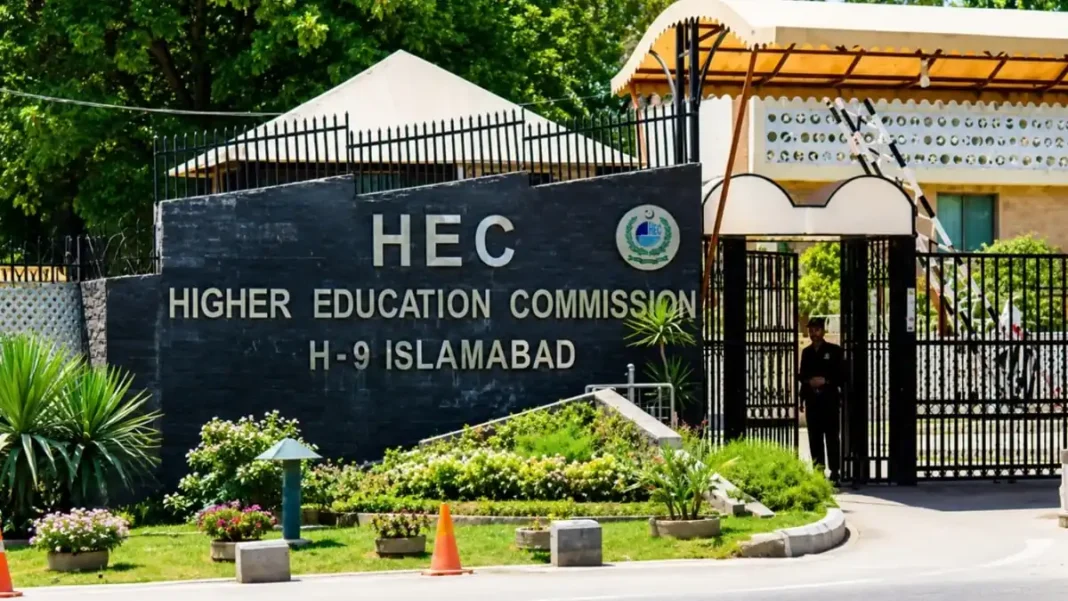
The Higher Education Commission has formed a 22-member National Task Force to develop national university rankings for universities across Pakistan. The move will give students and parents a local measure of quality for the first time, instead of relying only on foreign league tables that cover a handful of Pakistani universities.
The task force will review and finalise a proposed framework, based on internationally recognised methods adapted to Pakistan’s higher education system. The HEC announced the decision in an official press release on Thursday, 5 November 2026.
ProPakistani reported the announcement on Thursday afternoon.
Who is on the task force
The HEC has appointed Dr Ghulam Mustafa, Director of the Pakistan Institute of Engineering and Applied Sciences, as the convenor of the task force. Muhammad Ali Baig, National Coordinator for National University Rankings and Deputy Director of the HEC’s Higher Education Data Repository, will serve as secretary.
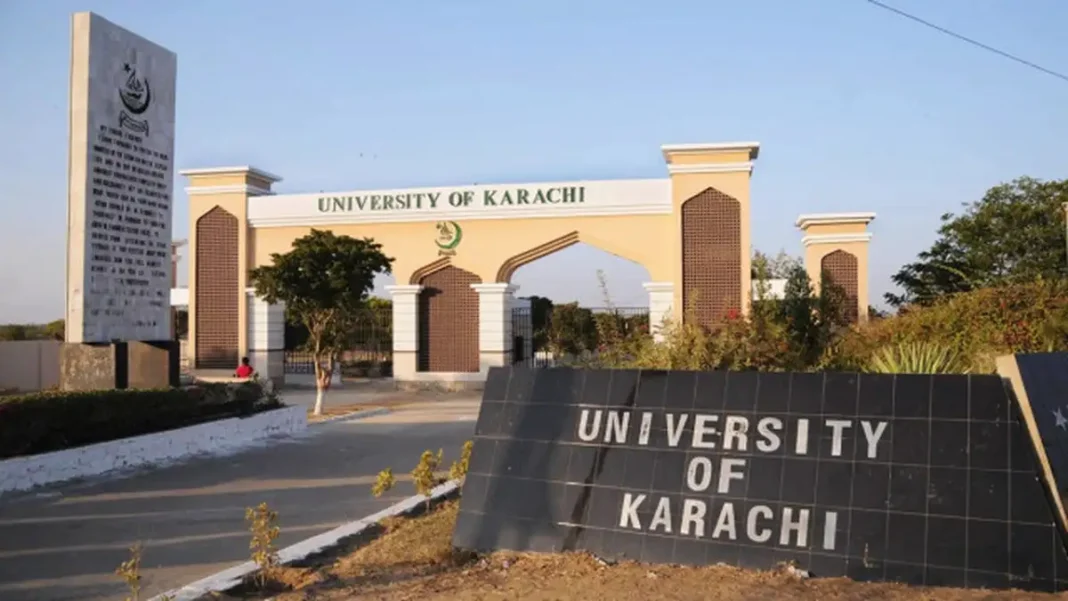
The task force includes representatives from major public and private universities. Quaid-i-Azam University, the National University of Sciences and Technology, Lahore University of Management Sciences, Aga Khan University, the University of Karachi and the University of the Punjab are all represented.
Provincial higher education bodies from Punjab, Sindh and Khyber Pakhtunkhwa will also take part.
What the task force will decide
The task force will evaluate the key ranking indicators, their weightages, assessment methods, data requirements, verification procedures and scoring mechanisms.
The indicators are the heart of the exercise. International frameworks usually weigh teaching quality, research output, citations, graduate employment and international outlook. The task force must decide which of those measures fit Pakistan, where many universities serve local communities and teach in fields that global rankings barely notice.
Data is the other hard part. A ranking is only as good as the numbers behind it, and universities report their figures in different ways. The task force will set common data requirements and verification steps, so that a university cannot climb the table by reporting its numbers generously.
Why national university rankings matter for students
Students in Pakistan now choose universities with little reliable guidance. Foreign rankings such as QS and Times Higher Education list only a small number of Pakistani institutions, and judge them by standards built for wealthy research systems.
A national ranking would change that. It would let families compare universities on the same scale, and it would give smaller institutions a reason to improve teaching and research rather than chase a place on a foreign list. It would also help employers judge a degree, and help the government decide where to direct funds.
The move comes as the education sector faces pressure on several fronts. The Federal Public Service Commission has announced the CSS MPT 2027 result, as Feature Pakistan reported in its account of the exam outcome. Punjab’s free textbook programme has also shrunk sharply, with printing down 60 per cent in five years, as Feature Pakistan reported in its account of the textbook decline. Technical training is expanding at the same time, with new centres worth Rs2.94 billion in Lahore, as Feature Pakistan reported in its account of the Shahdara project. Karachi University has also opened a mental health centre for all, as Feature Pakistan reported in its account of the new facility.
What happens next
The task force will now work through the framework, from indicators to scoring, before the HEC publishes a first ranking. No date has been announced for the first list. The HEC said the aim is a structured, transparent and evidence-based system, and the task force’s choices in the coming weeks will decide whether the rankings earn the trust of students and universities alike.
Frequently asked questions
What has the HEC announced?
The Higher Education Commission has formed a 22-member National Task Force to develop a ranking system for universities across Pakistan, based on internationally recognised methods adapted to the local system.
Who leads the task force?
Dr Ghulam Mustafa, Director of PIEAS, is the convenor. Muhammad Ali Baig, the HEC’s National Coordinator for National University Rankings, is the secretary.
Dr Ghulam Mustafa, Director of PIEAS, is the convenor. Muhammad Ali Baig, the HEC’s National Coordinator for National University Rankings, is the secretary.
Which universities are represented?
Quaid-i-Azam University, NUST, LUMS, Aga Khan University, the University of Karachi and the University of the Punjab are represented, along with provincial higher education bodies from Punjab, Sindh and Khyber Pakhtunkhwa.
What will the task force decide?
It will settle the indicators, weightages, assessment methods, data needs, verification steps and scoring, so the system is fair and transparent.
When will the first rankings be published?
No date has been announced. The task force must first finalise the framework, and the HEC has said the system will be structured, transparent and evidence-based.