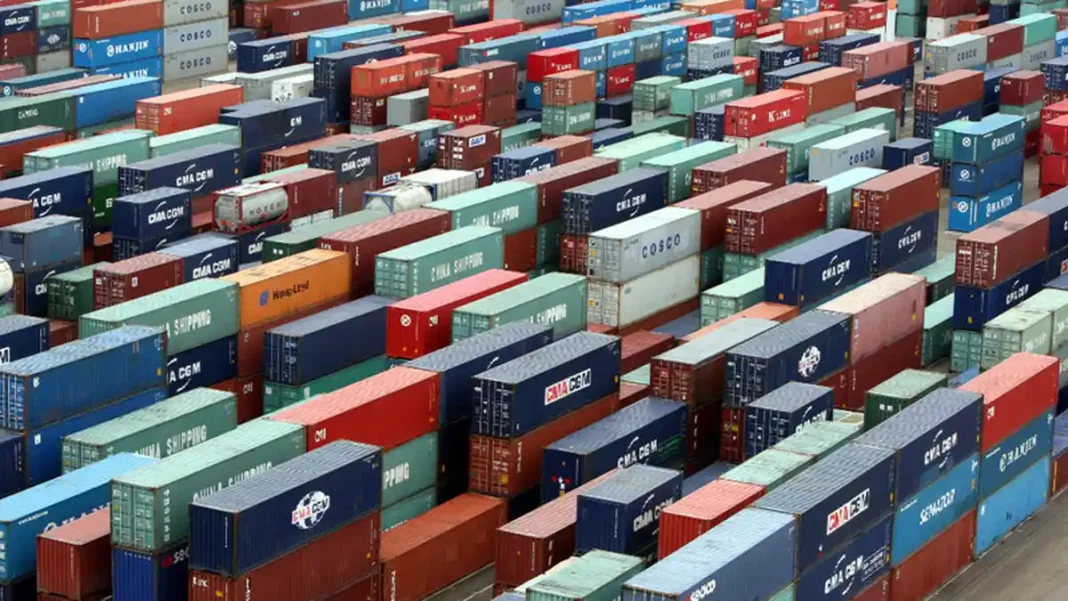
Customs Uncover Rs277m Import Fraud at Karachi Port
A suspected import fraud at Karachi port involving goods worth Rs277 million has been unearthed, after Customs officials found a major gap between the items declared in shipping documents and those actually inside a consignment.
The consignment was destined for the Risalpur Export Processing Zone (EPZ). The Directorate General of Customs Transit Trade Karachi detected the misdeclaration during a physical examination of a suspicious consignment.
Officials said high-value goods, including load cells, perfumes and cosmetics, had allegedly been imported under the guise of artificial flowers, machinery parts and sprays. The misdeclaration was allegedly aimed at evading customs duties and taxes amounting to Rs108 million.
What officials found in the import fraud at Karachi port
According to Director General Transit Trade Irfan Javed, the importing company, M/s Blooming Buds Industries, had declared artificial flowers, machinery spare parts and sprays in its Goods Declaration submitted to the Customs Department.
A physical inspection by Directorate officials revealed a significant mismatch between the declared goods and the actual contents of the consignment. The goods found inside were of a different kind and of higher value than those on paper.
Officials also pointed to a second problem. The company’s EPZ licence was approved for the manufacture and export of artificial flowers and plants. That approval raised further questions about the nature of the imported goods and their intended use, since load cells, perfumes and cosmetics do not fit that licensed activity on the face of the report.
The report does not state whether any arrests have been made, whether the goods have been seized, or what penalty proceedings have begun. Those steps, if taken, have not been reported in the item so far.
Why the declaration matters
A Goods Declaration is the document on which duty is assessed. The description of goods, their quantity and their value decide how much duty and tax is charged. When the description does not match the contents, the duty charged on paper can fall far below the duty properly due on the actual goods.
In this case, officials put the alleged evasion at Rs108 million. That figure is close to 40 per cent of the Rs277 million value of the goods. It shows why misdeclaration is treated as a revenue offence, not as a paperwork error.
Transit trade adds a further layer. Goods moving under transit arrangements are not meant for sale in the domestic market on the same terms as ordinary imports. Checks at the port are therefore a key control point. A physical examination, as carried out here, is the step that tests whether the paper trail matches the cargo.
Why the EPZ angle matters
Export Processing Zones give licensed units facilities for manufacture and export. A licence tied to a specific activity, in this case artificial flowers and plants, defines what a unit is authorised to make and export.
When imported goods do not match the licensed activity, officials ask two questions. First, were the goods meant for the licensed activity at all. Second, were they meant to enter the domestic market through a route that would avoid the duty properly due on them.
The Tribune report raises those questions without answering them. It records the licence position and the mismatch, and it leaves the company’s explanation, if any, unreported. Readers should therefore treat the fraud allegation as an official claim at this stage, not as a finding by a court.
What this case shows about port controls
Karachi port handles a large share of Pakistan’s imports, and Customs cannot physically examine every consignment. Risk-based checks, in which suspicious consignments are selected for inspection, are the standard method.
This case was detected through such an examination. It shows that physical checks can catch a major mismatch, though the report does not address how many similar consignments pass without examination.
The next steps to watch are straightforward. They include any statement from the importing company, any seizure or confiscation order, and any proceedings before the customs adjudication forum. Until those steps are reported, the case rests on the Directorate’s account of the examination.
Related coverage includes the FBR tax return deadline extension, the steel industry digital monitoring deadline, the Eurobond tokenisation plan, and the FCC super tax review ruling.
Frequently asked questions
What was the value of the goods involved?
Officials put the value of the goods at Rs277 million.
How much duty evasion is alleged?
Customs officials said the misdeclaration was allegedly aimed at evading duties and taxes amounting to Rs108 million.
What was declared and what was found?
The Goods Declaration listed artificial flowers, machinery spare parts and sprays. Physical inspection found high-value goods including load cells, perfumes and cosmetics.
Which company is named in the report?
M/s Blooming Buds Industries, whose EPZ licence was approved for the manufacture and export of artificial flowers and plants.
Has the company responded?
No response from the company is reported in the Tribune item, and no arrests or seizure orders are stated in it.