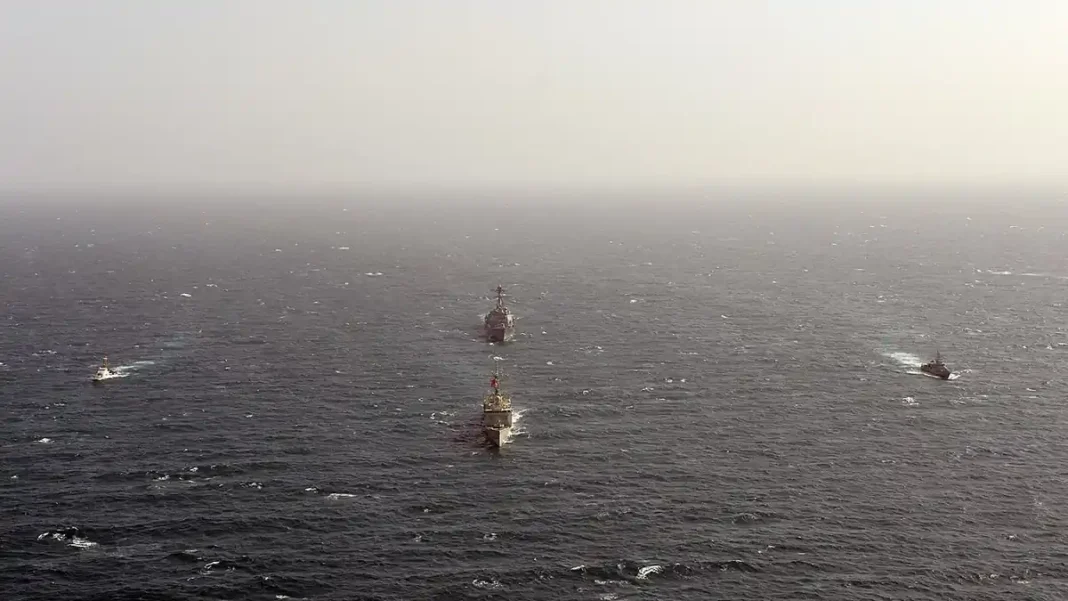
The United States is setting up Task Force Iron Gate, a new task force to choke off Iran’s overland trade in weapons and sanctioned goods, extending a months-long naval blockade to the country’s land borders and the Caspian Sea.
The task force, named Task Force Iron Gate, will be based in Tampa, Florida, and will work with other American government agencies. Admiral Brad Cooper, the commander of US Central Command, ordered its formation, Reuters reported on Saturday, November 7.
“Strengthening Centcom’s collaboration with US interagency partners will further constrain Iran’s ability to finance terrorism, rebuild weapons factories, and replenish their military,” Admiral Cooper said in a statement.
What Task Force Iron Gate will do
The task force will coordinate with other US government agencies on stopping the movement of advanced weapons systems, dual-use technologies, sanctioned materials and illegal revenue streams across Iran’s land borders and the Caspian Sea.
It will run with an internal staff of about 20 civilian and military personnel. Central Command planned to announce the task force later on Saturday, according to a statement seen by Reuters before its release.
The move widens a pressure campaign that has so far centred on the sea. Washington has enforced a naval blockade on Iran for months, and the new unit takes the same effort onto land routes and the Caspian, where goods and funds can still move across borders.
The naval blockade so far
Central Command claims its naval blockade has prevented Iran from exporting more than $25 billion in crude oil. The figure comes from the command itself, and it covers the months since the war began on February 28, when the United States and Israel launched air strikes on Iran.
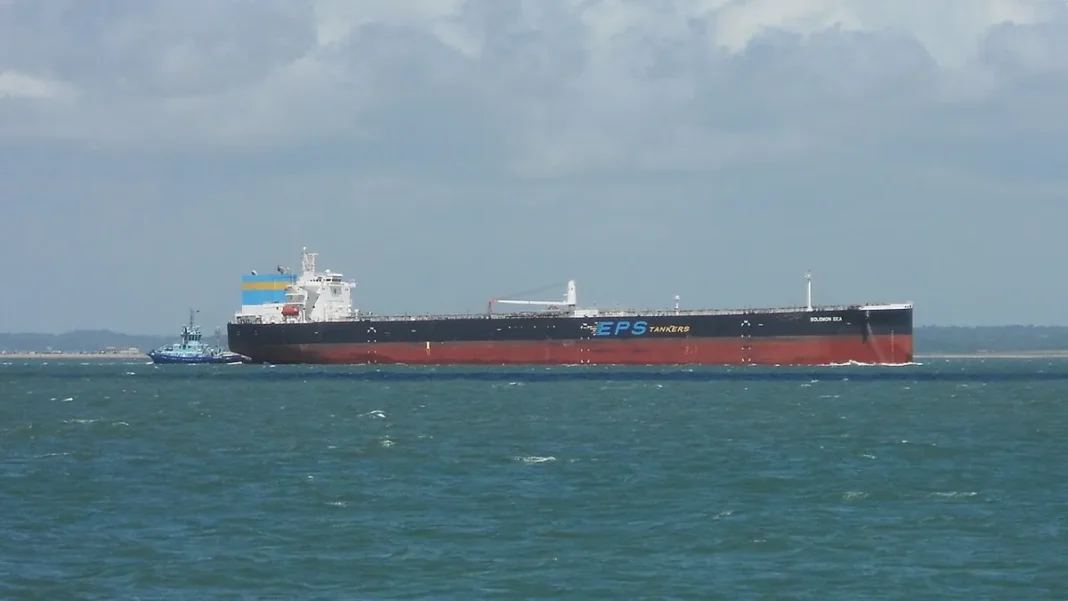
The blockade has already shaped the conflict at sea. Iran says the Strait of Hormuz will stay closed until the United States accepts Tehran’s conditions, and shipping through the waterway has faced repeated attacks and warnings. An oil tanker caught fire after hitting a sea mine east of the strait on Saturday morning, in the latest incident in the waterway.
Washington has also kept up the diplomatic track alongside the military pressure. President Donald Trump has said the world will “know very soon” whether he makes a deal with Tehran or orders new strikes, and his administration has kept talking to Iran through intermediaries.
What it means for Pakistan
The land blockade matters for Pakistan because the country sits beside Iran and brings in much of its energy by sea. Any squeeze on shipping or trade in the Gulf feeds straight into fuel prices and supply at home.
The risk is not abstract. The Foreign Office confirmed this week that a Pakistani-linked liquefied natural gas carrier, the Al Maida, was struck by projectiles while crossing the Gulf near the Strait of Hormuz last Friday night. No crew members were hurt, and the vessel was carrying LNG for Karachi. Pakistan’s Foreign Office raised the matter in its weekly briefing.
Pakistan’s refineries are already under strain. They recorded negative petrol margins in early November, which shows how thin the cushion is when crude prices swing or supplies are disrupted.
At the same time, Islamabad has stayed in the middle of the diplomacy. US Vice President JD Vance has held near-daily contact with Pakistan’s army chief over Iran, with Pakistan and Qatar playing central roles in efforts to bring Washington and Tehran back to talks. Iran’s Foreign Minister Abbas Araghchi said he had spoken to 12 foreign ministers in the past 48 hours about regional developments.
What happens next
The task force will now start work with other American agencies to map and block the routes Iran uses on land and across the Caspian Sea. Its first test will be whether it can slow the flow of weapons parts, dual-use goods and money that the sea blockade cannot reach.
Diplomacy will run in parallel. A working-level technical meeting between US and Iranian officials has been discussed for the coming days, although no meeting has been fixed yet. Qatar has said its mediation efforts continue, and Pakistan has kept pushing for a settlement that avoids a new round of fighting, as covered in our report on how a strike on Iran could affect Pakistan.
For now, the message from Washington is clear: the blockade is no longer only about the sea.
Frequently asked questions
What is Task Force Iron Gate?
It is a new US military task force set up to restrict Iran’s movement of advanced weapons systems and sanctioned material across its land borders and the Caspian Sea.
Where will the task force be based?
It will be based in Tampa, Florida, with an internal staff of about 20 civilian and military personnel.
How much oil has the naval blockade stopped?
US Central Command claims its naval blockade has prevented Iran from exporting more than $25 billion in crude oil.
Why does the task force matter for Pakistan?
Pakistan imports much of its energy by sea and sits beside Iran, so any disruption in the Gulf affects fuel prices and supply at home. A Pakistani-linked LNG carrier was already struck near the Strait of Hormuz last week.