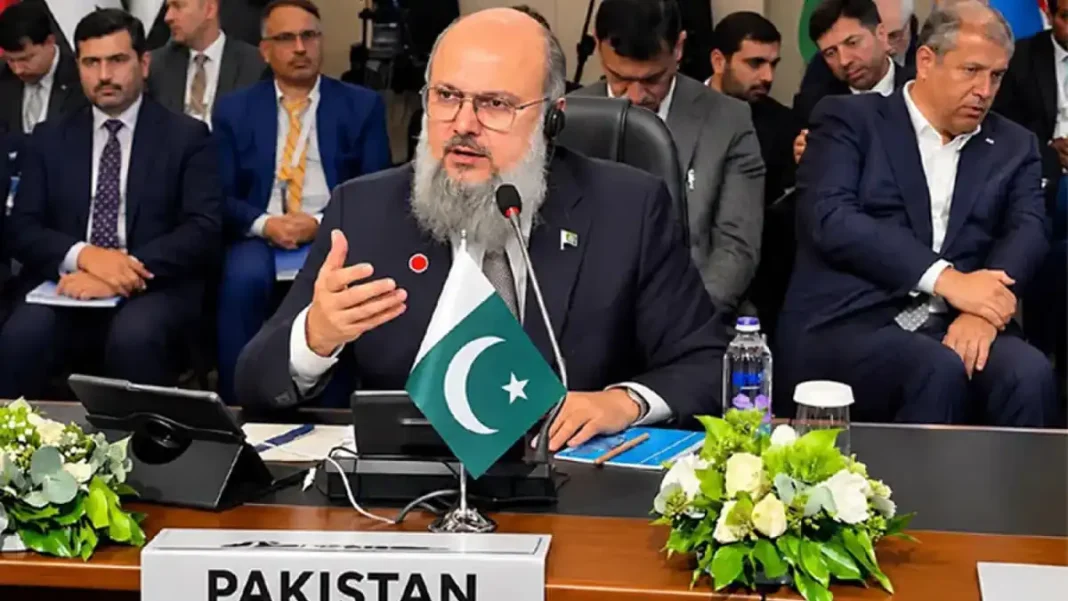
The LPG fair pricing plan moved a step forward on Saturday. Petroleum Minister Ali Pervaiz Malik attended the first meeting of the committee formed to ensure a transparent auction of liquefied petroleum gas (LPG), and said fair prices and steady supply are a government priority.
He said the new auction system would help ensure fair distribution of LPG, stability in the supply chain and energy security.
The meeting followed a new LPG policy unveiled earlier this week. Under the policy, the government has directed four state-owned enterprises to re-enter the LPG import business, in a bid to ease severe supply constraints and soaring prices. Imports will come through government-to-government and business-to-business arrangements.
LPG fair pricing Pakistan: how the new auction will work
Locally produced gas will now be sold through open auctions, a change meant to cut out the intermediaries who profit from the existing arrangement.
Under the new mechanism, local LPG producers will allocate 10 per cent of their production to government-owned marketing companies, to meet the needs of remote areas. The remaining 90 per cent will be sold through a transparent auction held in the presence of the media.
The committee also decided that each company will be allowed to acquire a maximum of 20 metric tonnes of LPG per day through the auction. Daily LPG production will be monitored, with the data presented to the prime minister.
Malik said all eligible companies will be given equal opportunities to take part in the auction. State-run Radio Pakistan reported the minister’s remarks from the meeting.
Why winter makes the change urgent
LPG has long been called the poor man’s fuel, but it is now what many middle-class families use for cooking and heating. More homes buy cylinders as temperatures fall, and demand climbs sharply in December and January.
Supply has been disrupted by the closure of Iranian border crossings. As a result, gas cylinders have been selling at twice the official rate in the open market. LPG is also widely used to run rickshaws, and by households that have no piped gas connection.
The minister assured the public earlier this week that the government will make utmost efforts to meet demand for LPG during the winter months. At a press conference in Islamabad, he said: “Seeing people’s distress and also knowing that from December and January, winter will be at its peak […] even if the most expensive fuel has to be purchased for the piped network, we will bring it in and try to meet demand through LNG.”
He also assured the public that the government will make utmost efforts to ensure piped supply of domestic gas at meal times. LPG will still be needed for other uses, and by homes without piped connections.
What the auction must prove
The test of the new system will be the price at the shop, not the design on paper. If the auction works as planned, cylinders should move closer to the official rate. If intermediaries find a way back in, or if imports lag, the winter shortage will return in the same form.
The pressure is already visible. Rickshaw drivers have felt the LPG price surge directly, since their daily earnings depend on affordable fuel. Households face the same squeeze each time a cylinder costs more than the last one.
The gas network is under strain on more than one front. SNGPL has set winter gas timings for Islamabad, Punjab and Khyber Pakhtunkhwa, while Pakistan has lined up winter LNG cargoes to cover the cold months. The LPG auction is the third leg of that winter plan, aimed at the households and drivers who sit outside the piped network.
Fuel costs have eased elsewhere. Petrol prices fell by Rs6.59 per litre in the latest revision, the fifth straight cut. But petrol relief does not reach a kitchen that runs on a cylinder, or a rickshaw that runs on LPG. That is why the auction, and the imports behind it, matter more than the headline fuel price this winter.
For now, the pieces are in place: a committee, a daily cap, a monitored supply figure and a promise of equal access. The next test comes when winter demand peaks, and the price of a cylinder shows whether the system held.
Frequently asked questions
What is the new LPG auction system?
Local LPG producers will sell 90 per cent of their production through open, transparent auctions held in the presence of the media. The other 10 per cent goes to government-owned marketing companies to serve remote areas.
How much LPG can a company buy per day?
Each company can acquire a maximum of 20 metric tonnes of LPG per day through the auction. Daily production will be monitored, and the data will be presented to the prime minister.
Why are LPG prices high right now?
Supply has been disrupted by the closure of Iranian border crossings, and cylinders have been selling at twice the official rate in the open market. The government says the new policy and imports by four state-owned enterprises will ease the shortage.
What happens to piped gas supply in winter?
The petroleum minister has assured the public that the government will make utmost efforts to ensure piped supply of domestic gas at meal times, even if it has to buy the most expensive fuel for the piped network and meet demand through LNG.