Pakistan may redraw its administrative map into 12 provinces, with a nationwide referendum planned before any move towards a possible 28th Constitutional Amendment. The Pakistan 12 provinces plan would split Punjab into four provinces, Khyber Pakhtunkhwa and Balochistan into three each, and Sindh into two.
The proposal was reported by The News on Sunday and carried by Geo News. Sources familiar with the discussions said the amendment could be taken up in the first half of 2027, with preparatory steps possibly beginning in the first quarter of the year. No final decision has been taken on boundaries, administrative structures or the constitutional process needed for such a major change.
What the Pakistan 12 provinces plan would change
Pakistan now has four provinces: Punjab, Sindh, Khyber Pakhtunkhwa and Balochistan. Under the reported arrangement, that number would rise to 12. Punjab, the largest province by population, would become four provinces. Khyber Pakhtunkhwa and Balochistan would each have three, and Sindh would split into two.
Sources said the exercise was not intended to target any particular province. The argument is that Pakistan’s growing population, administrative challenges and uneven development call for a fresh approach to governance, bringing government closer to citizens and making administration more responsive.
Referendum before the amendment
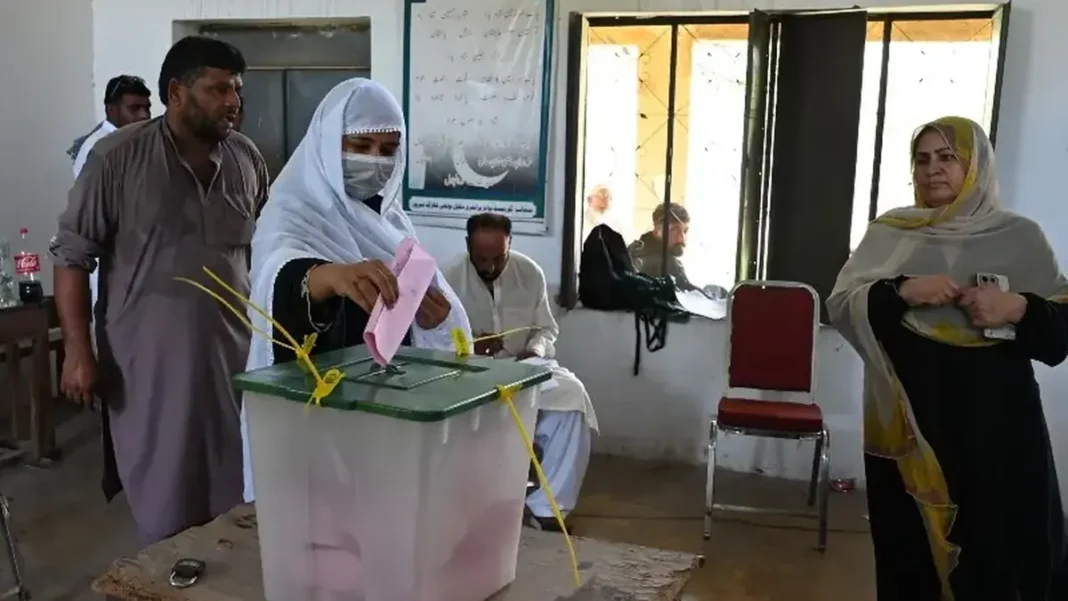
A key element is a nationwide referendum before the amendment process begins. The aim is to gauge public opinion and establish a popular mandate, rather than leaving the issue to political negotiation. Sources said the referendum would come first. No date, voting mechanism or official question has been announced.
Why the plan faces a hard road
The proposal sits uneasily with the government’s own recent statements. Planning Minister Ahsan Iqbal said on October 30 that the government was not drafting a 28th Amendment to create new provinces, arguing instead for stronger local governments.
The prime minister’s Adviser on Political Affairs, Rana Sanaullah, has separately said any referendum would need Parliament’s approval, and that Parliament alone would decide whether provinces are created.
Timelines also differ. The sources behind the latest report point to preparatory work in the first quarter of 2027 and the amendment in the first half of the year. Special Assistant to the Prime Minister Huzaifa Rehman, however, pointed on November 1 to a faster track and said the amendment could come before the end of this year.
Any restructuring would also need broad political agreement. An amendment needs a two-thirds majority in both houses of Parliament. The Pakistan Peoples Party, a defender of provincial autonomy under the 18th Amendment, is expected to examine any plan that alters Sindh’s boundaries closely.
The debate over new provinces is not new. Bilawal Bhutto Zardari has rejected the idea in the past, while the MQM-P has campaigned for new administrative units and Mustafa Kamal has pressed the case for smaller units. Balochistan Chief Minister Sarfraz Bugti has also called for a national debate on the issue, and earlier reporting examined the cost of creating new provinces.
What happens next
For now, the 12-province plan is a proposal under discussion, not approved policy and not a tabled amendment. The names, boundaries, headquarters and administrative arrangements of the proposed units have not been finalised.
A nationwide consultation could help build consensus on the principle of restructuring. Even so, the exact boundaries, resource distribution, constitutional safeguards and transfer of administrative responsibilities would still need lengthy political and parliamentary deliberation before the plan could become a reality.
Frequently asked questions
What is the 12-province plan for Pakistan?
It is a proposal under consideration to increase the number of provinces from four to 12: Punjab would split into four, Khyber Pakhtunkhwa and Balochistan into three each, and Sindh into two.
Would there be a referendum on new provinces?
Yes, under the reported plan. A nationwide referendum is envisaged before any move towards a 28th Constitutional Amendment, to gauge public opinion and establish a popular mandate.
When could the 28th Amendment be taken up?
Sources familiar with the proposal said preparatory steps could begin in the first quarter of 2027, with the amendment possibly taken up in the first half of the year. No final decision has been taken.
Has the government approved the plan?
No. The proposal remains at the consideration stage. The government has not announced it as policy, and the Planning Minister said on October 30 that no 28th Amendment for new provinces was being drafted.