Margalla Dialogue 2026: Dar Pushes Diplomacy Amid Tensions
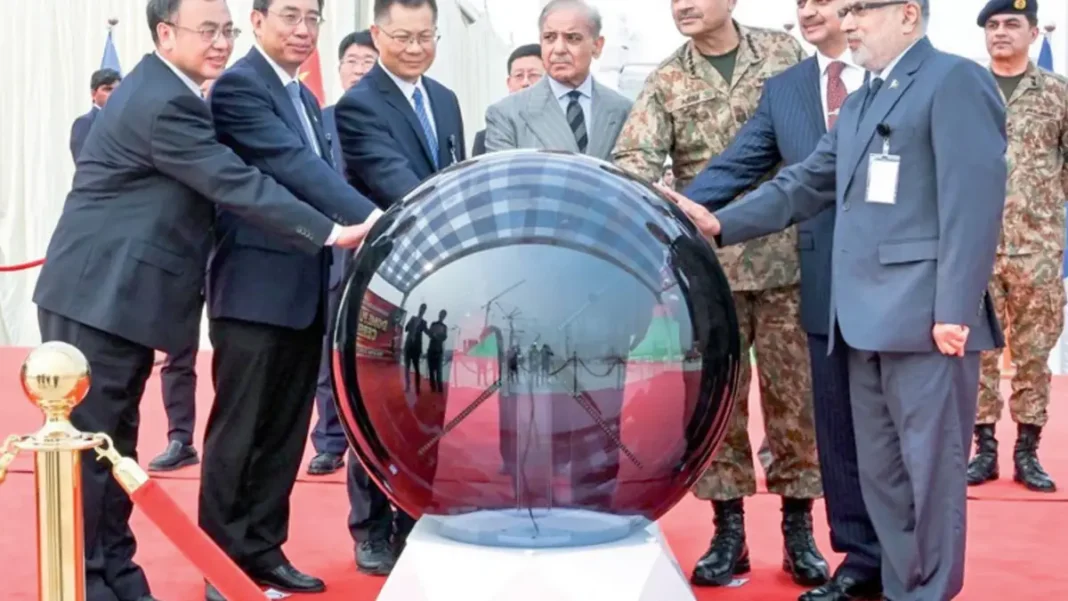
The Margalla Dialogue 2026 opened in Islamabad on Tuesday, with Deputy Prime Minister and Foreign Minister Ishaq Dar saying Pakistan would keep working for regional peace while safeguarding its sovereignty.
Dar was addressing the Margalla Dialogue 2026, organised by the Islamabad Policy Research Institute (IPRI), where he said strength at home and effective diplomacy abroad were the keys to facing a shifting world order. The theme of this year’s dialogue is “Global Order in Transition: Navigating Strategic Uncertainty”.
“The choices countries make during this transition will help determine whether it produces greater cooperation or deeper confrontation,” he said. He warned that great power rivalries, protracted conflicts and the erosion of arms control agreements were raising the risks of confrontation and miscalculation.
What the Margalla Dialogue 2026 heard on Iran
The sharpest remarks came from Professor John J. Mearsheimer of the University of Chicago, who gave the keynote address on geopolitics and the realignment of global power. He spoke about the losses suffered by the United States and Israel in the war against Iran, and the policy failures of the Trump administration.
Mearsheimer said President Trump had dismissed the views of his principal advisers and instead listened to the Israeli prime minister and the head of Mossad, who convinced him that attacking Iran was a good idea. “The decision to get into this war was an irrational decision,” he said. “The US is in a war that it is going to lose, there is no way the US can defeat Iran.”
He also said Israel was committing genocide in Gaza to drive Palestinians from their land, and that Washington was complicit through diplomatic support and six vetoes of UN Security Council resolutions. The claims are his own, and they drew attention because of his standing as a scholar of international relations.
Middle East scholar Dr Vali Nasr praised Iran’s resilience and tactics, which he said had led to the failure of American and Israeli policies. He added that the war was still unfinished, and that an India-UAE-Israel military alliance could threaten Pakistan.
Kashmir, water and Afghanistan
Dar used his address to set out Pakistan’s positions on its neighbours. He said the Makkah Joint Defence Agreement with Saudi Arabia and Turkiye was a defensive arrangement aimed at strengthening collective security and credible deterrence, rather than targeting any particular country. He described relations with China as a cornerstone of Pakistan’s foreign policy, while noting constructive engagement with the United States and expanding cooperation with Saudi Arabia, Turkiye, Iran, Gulf countries, Europe and Central Asia.
On Kashmir, he said a just settlement in line with UN Security Council resolutions was essential for lasting peace. He warned against Indian attempts to weaponise water and said Pakistan would safeguard its rights under the Indus Waters Treaty. He called terrorism from Afghan territory a serious security challenge, and said Pakistan would keep protecting its people while supporting a peaceful, stable and economically integrated Afghanistan. He noted that Pakistan’s facilitation of US-Iran talks in Islamabad in April had reflected its commitment to resolving conflicts through dialogue.
A multipolar world, and Pakistan’s place in it
Mearsheimer told the dialogue that the world had shifted from a unipolar order into a multipolar one, with three great powers: the United States, China and Russia. He said India could not become a great power in the near future, though it could become a formidable middle power like Japan. Pakistan, he said, needed to strive for wealth creation to become a middle power like Germany and Japan, and it was in an ideal position because it has cordial ties with both the United States and China and has not had to choose between the two.
Dr Nasr added that American involvement in Iran and Ukraine had softened its military presence against China in the Far East. Former US diplomat Robin Raphel noted that if Iran leaves the Nuclear Non Proliferation Treaty, it could trigger exits by other countries too. Former senator Mushahid Hussain Syed said there was a time when decisions were made in Washington, but now, he said, regime change in the United States was due to Iran, recalling the recent midterm elections.
The dialogue restated positions Dar had already set out: he had defended the Makkah defence arrangement in Islamabad, and warned India against weaponising water.
What happens next
The Margalla Dialogue continues on Wednesday with further panel discussions. Its conclusions will feed into the debate on how Pakistan positions itself between the great powers, at a time when the war between the United States and Iran has shaped the region’s politics for months and the United States has skipped the UN human rights review again.
Frequently asked questions
What is the Margalla Dialogue?
The Margalla Dialogue is an annual foreign policy and security forum in Islamabad, organised by the Islamabad Policy Research Institute (IPRI). The 2026 edition is themed “Global Order in Transition: Navigating Strategic Uncertainty”.
What did Dar say about the Makkah defence pact?
Dar said the Makkah Joint Defence Agreement with Saudi Arabia and Turkiye was a defensive arrangement aimed at collective security and credible deterrence, and that it targeted no particular country.
What did Mearsheimer say about the Iran war?
Professor John J. Mearsheimer said the decision to go to war was irrational, and that the United States was in a war it was going to lose because there was no way it could defeat Iran.
What did Dar say on Kashmir and water?
Dar said a just settlement of the Kashmir dispute in line with UN Security Council resolutions was essential for lasting peace, and warned against Indian attempts to weaponise water.
Who else spoke at the dialogue?
Speakers included Middle East scholar Dr Vali Nasr, former US diplomat Robin Raphel and former senator Mushahid Hussain Syed.