Chashma-5 Nuclear Plant Dome Placed, Power by 2030
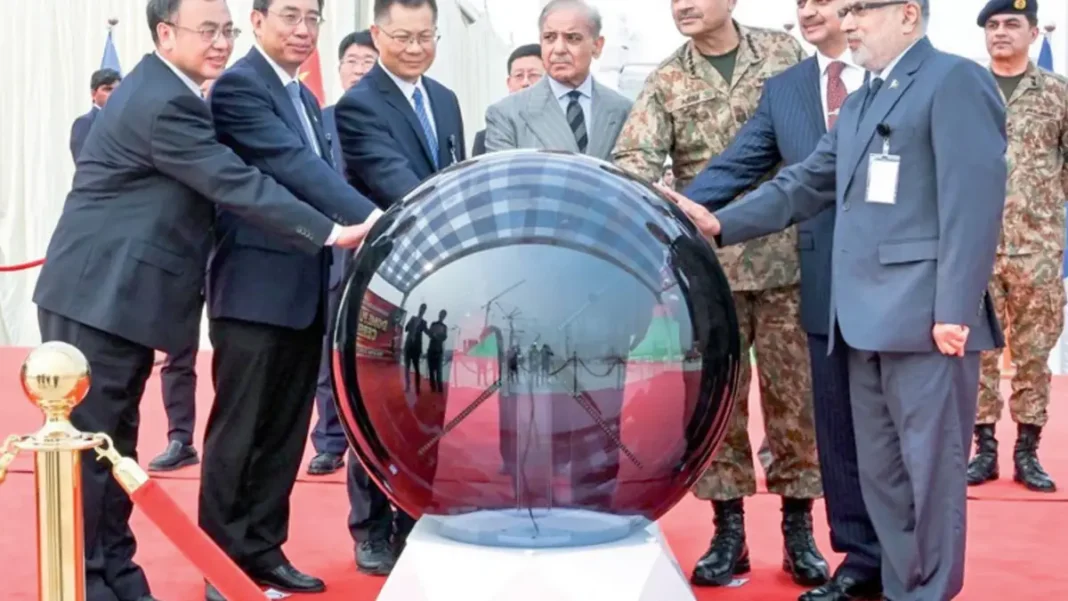
The Chashma-5 nuclear plant reached a major milestone on Tuesday, as the dome of its reactor was placed at the Chashma Nuclear Power Generating Station in Mianwali. The 1,200-megawatt unit is expected to start generating electricity in September 2030.
Prime Minister Shehbaz Sharif attended the ceremony, along with Chief of Army Staff and Chief of Defence Forces Field Marshal Asim Munir. Chinese engineers, senior officials and representatives of the relevant organisations were also present.
The prime minister called for greater use of the country’s resources and human capital to build a Pakistan that is economically stronger, energy-secure and environmentally responsible. He praised the dedication of engineers, technicians and workers from Pakistan and China.
What the Chashma-5 nuclear plant will add
The C-5 project will add 1,200 megawatts of generation capacity when it comes online in September 2030. The dome placement marks the point where the reactor building takes its final shape, and the project now moves into the next phase of construction.
The Pakistan Atomic Energy Commission (PAEC) chairman told the ceremony that nuclear power already plays an important role in the country’s energy security. Pakistan’s nuclear power plants are generating 3,530 megawatts of electricity and helping avoid about 15 million tonnes of carbon dioxide emissions each year.
Nuclear energy accounts for about 16.6 per cent of the country’s electricity generation, even though it represents only 8.6 per cent of installed capacity. Its share of generation rises to 26 per cent during winter, when demand from other sources falls.
Clean energy at the centre
The prime minister described the C-5 project as proof of the country’s commitment to clean and emissions-free electricity generation. He commended the Chinese partners and said the milestone reaffirmed the all-weather friendship between Pakistan and China, along with their commitment to expanding cooperation in economic, security and development sectors.
The ceremony comes as Pakistan puts climate and clean energy at the centre of its international agenda. Prime Minister Shehbaz Sharif has set out Pakistan’s climate priorities at the COP31 summit, including research on the country’s glaciers. Nuclear power gives the country a steady source of low-carbon electricity to sit alongside hydro, solar and wind.
The energy mix is changing in other ways too. Thar coal is being lined up to replace imported fuels, and the OGDCL gas discovery at Bitrisim in Sindh has added a new domestic source of energy. Wapda has also been answering questions over flaws found at the Tarbela project. Chashma-5 adds a large, stable source of power to that mix.
What happens next
Construction will continue at Chashma over the next four years, with the plant due to start generation in September 2030. The PAEC will oversee the work with its Chinese partners.
The 1,200 megawatts from Chashma-5 will lift the country’s nuclear capacity by about a third, from 3,530 megawatts today. That is a large addition for a grid that needs steady power through the winter, when nuclear already supplies a quarter of all electricity.
The project will be watched closely, since it is one of the largest single additions to Pakistan’s grid in years. If it stays on schedule, it will lift nuclear capacity by about a third and give the grid a reliable source of power through the winter months.
Frequently asked questions
Where is the Chashma-5 nuclear plant?
Chashma-5 is being built at the Chashma Nuclear Power Generating Station in Mianwali, Punjab.
How much power will Chashma-5 produce?
The plant will have a generation capacity of 1,200 megawatts.
When will Chashma-5 start generating electricity?
The plant is expected to commence electricity generation in September 2030.
How much power does nuclear energy provide in Pakistan now?
Pakistan’s nuclear power plants generate 3,530 megawatts, about 16.6 per cent of the country’s electricity. The share rises to 26 per cent in winter.
Who attended the dome placement ceremony?
Prime Minister Shehbaz Sharif and Field Marshal Asim Munir attended, along with Chinese engineers, senior officials and representatives of the relevant organisations.