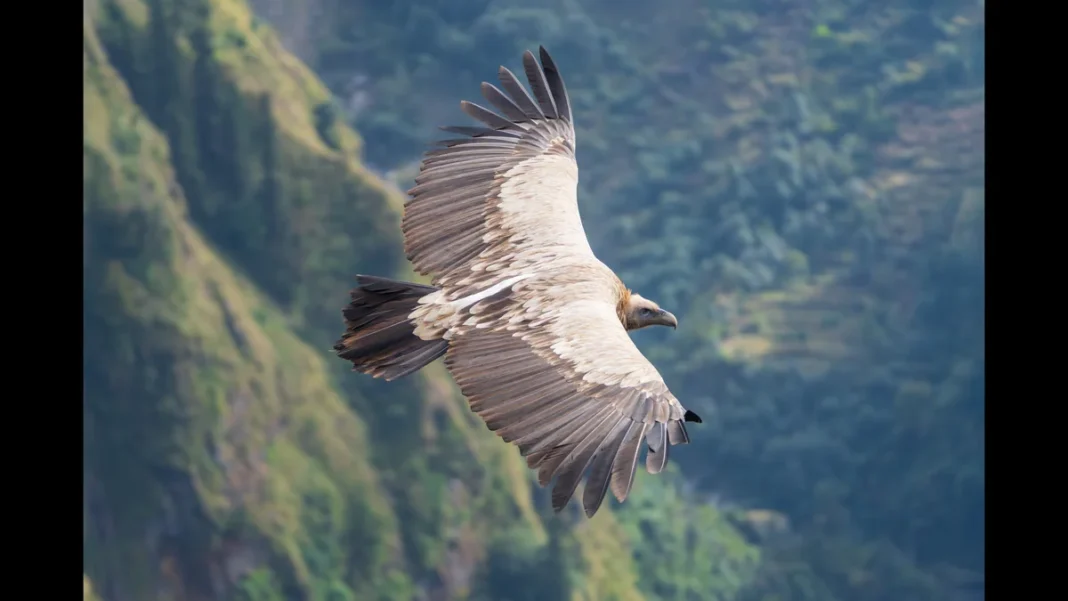
Nine Rare Vultures Spotted in Rajanpur, South Punjab
Nine rare vultures have been spotted in the tribal area of Rojhan in Rajanpur district, raising hopes of their return to parts of South Punjab. Wildlife officials said the birds belong to two species, the Himalayan griffon and the cinereous vulture.
Wildlife rangers have begun monitoring the birds’ movement and stay in the area, to ensure their safety and assess the conditions of their natural habitat. The sighting is the latest in a series reported from various parts of the region over the past year.
The Punjab Wildlife and Parks Department said sightings of different vulture species had been reported off and on from various parts of the region over the past year. The latest sighting is significant because the birds were found together in the same area, which suggests the habitat can still support them.
Why rare vultures vanished from Punjab
Vultures were once common across Punjab, but their numbers fell sharply in recent decades. Experts say one of the main reasons was a drug given to livestock. Studies found that vultures feeding on the carcasses of animals treated with the drug suffered kidney failure, which led to widespread deaths.
The government banned the veterinary use of diclofenac in 2006. Other toxic drugs, contaminated food sources and habitat loss still pose threats, and the birds have been slow to recover.
The loss matters beyond the birds themselves. Vultures play an important role in keeping nature in balance by feeding on animal carcasses and helping prevent the spread of certain diseases. When their numbers fall, carcasses stay in the open longer and natural ecosystems are disrupted.
Rangers watch the birds
The nine birds in Rojhan are now under watch. Rangers will track how long they stay in the area and whether the habitat meets their needs for food and shelter.
Officials are cautious about what the sighting means. Continued monitoring and evidence would be needed to establish whether the birds point to a permanent return or successful breeding in the region, rather than a passing visit.
The sighting comes as Pakistan puts nature and climate higher on its agenda. Prime Minister Shehbaz Sharif has set out Pakistan’s climate priorities at COP31. Protecting habitats is part of the same challenge.
A breeding centre at Changa Manga
A vulture breeding centre is already operating in the Changa Manga forest to support conservation. Established by WWF-Pakistan in collaboration with partners, the facility focuses on the captive breeding of white-rumped vultures, with the aim of increasing their population and reintroducing them into their habitats.
Changa Manga is one of Punjab’s best-known forests, and a popular place for visitors interested in nature. The breeding centre there works to rebuild a species that was hit hard by the same livestock drug that drove the wider decline.
Pakistan’s national parks also play a part in protecting wildlife. Hazarganji-Chiltan National Park in Balochistan protects markhor, chinkara and other species in rugged mountains. Safe habitat, clean food and a ban on toxic veterinary drugs are the three things experts say vultures need most.
What happens next
The rangers in Rajanpur will keep watching the nine birds and record whether they stay, feed and breed in the area. If the birds settle, it would be the strongest sign yet that South Punjab can support vultures again.
For now, the sighting is a small but hopeful sign. Nine birds in one place do not yet mean a recovery, but they show that the habitat is still there, and that the birds are willing to return to it.
Frequently asked questions
How many vultures were spotted in Rajanpur?
At least nine rare vultures were spotted in the tribal area of Rojhan in Rajanpur district.
Which species of vultures were seen?
The birds belong to two species, the Himalayan griffon and the cinereous vulture, according to wildlife officials.
Where were the vultures spotted?
The vultures were spotted in Rojhan, a tribal area in Rajanpur district in South Punjab.
Why did vulture numbers fall in Punjab?
A major reason was diclofenac, a drug given to livestock. Vultures that fed on treated carcasses suffered kidney failure and died in large numbers. The drug’s veterinary use was banned in 2006.
What is being done to protect vultures?
A breeding centre in the Changa Manga forest, run by WWF-Pakistan with partners, breeds white-rumped vultures in captivity for reintroduction, while rangers monitor wild birds and their habitat.