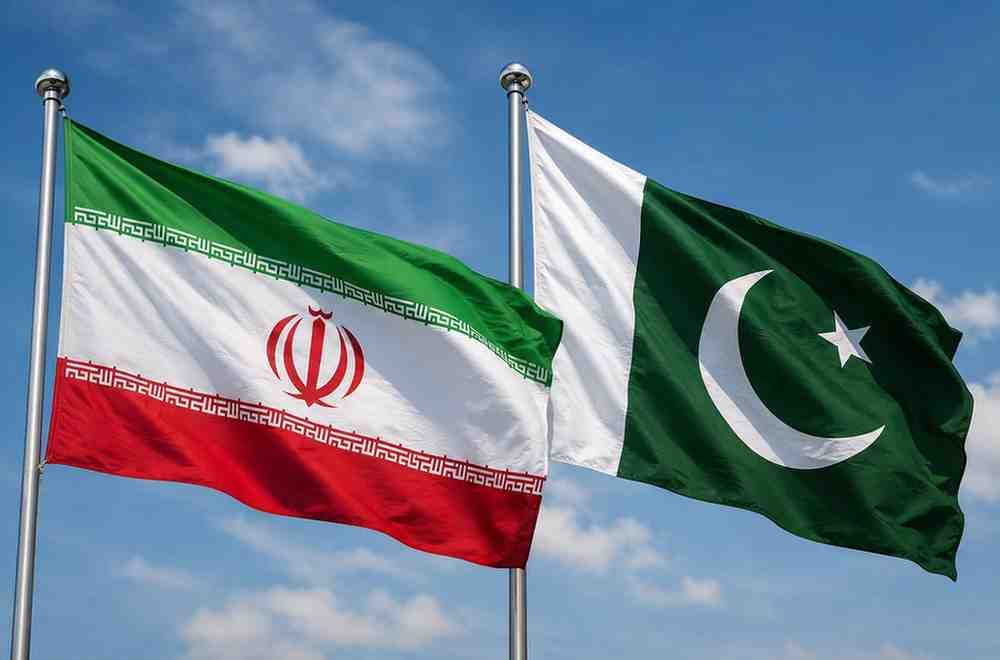
Iran Pakistan talks have gained fresh momentum after Tehran informed Islamabad that it remains ready to continue negotiations despite the recent pause.
Saudi media outlet Al Arabiya reported that Iranian officials delivered the message through diplomatic channels. The development has created cautious optimism for regional diplomacy.
According to Iranian sources, the next round of Iran-Pakistan talks could take place in Geneva, Doha, or Islamabad. Officials believe these locations offer a suitable environment for productive discussions. Both countries now appear willing to maintain diplomatic engagement.
Iran clarified that it has not withdrawn from the negotiation process. Instead, it explained that it only suspended the dialogue because of recent developments. The message assured Pakistani authorities that Tehran still supports diplomatic solutions.
The latest Iran-Pakistan talks message also referred to the Islamabad Memorandum of Understanding. Iranian officials stressed that both sides should continue discussions under the agreed framework. They also expressed confidence that negotiations could move forward without unnecessary delays.
At the same time, Iran shared its concerns over the Strait of Hormuz. Tehran told Pakistan that it does not support any proposal to establish a new shipping route that bypasses the strategic waterway. Iranian leaders described the issue as one of their highest national priorities.
Officials also explained how they want future negotiations to proceed. They requested that discussions resume exactly where they stopped before the suspension. This approach aims to prevent unnecessary repetition and save valuable diplomatic time.
During the Iran-Pakistan talks, Tehran reportedly asked negotiators to address the Strait of Hormuz before any other issue. Iranian representatives believe this matter requires immediate attention because it directly affects regional security and international trade. They urged all parties to respect existing maritime arrangements.
After discussing the Strait of Hormuz, Iran wants negotiators to focus on its frozen overseas assets. Iranian officials argue that financial restrictions continue to affect the country’s economy. They hope future negotiations can produce practical solutions for these long-standing concerns.
The nuclear issue will come after the financial discussions, according to Iranian sources. Tehran believes this sequence will help build trust between all parties before they tackle more sensitive matters. Officials consider gradual progress more effective than rushing into complex negotiations.
These Iran-Pakistan talks have attracted international attention because Pakistan maintains diplomatic relations with both regional and global powers. Islamabad often encourages dialogue instead of confrontation. Analysts believe Pakistan could play an important role in reducing tensions.
Meanwhile, another major development emerged from Washington. Reports claimed that U.S. President Donald Trump instructed the American military not to launch any new attacks on Iran on Friday. If confirmed, the decision would interrupt nearly two weeks of continuous military action.
The American news outlet Axios first reported the directive. According to its report, Trump had approved military strikes for 13 consecutive days before issuing the latest instruction. However, officials have not confirmed whether this pause will continue.
The report also suggested that the United States military remains prepared for future operations. Military planners reportedly continue their strategic preparations in case circumstances change. Therefore, the current pause does not necessarily indicate the end of military readiness.
Government officials have not provided additional clarification. The White House did not respond to requests for comment regarding the reported order. As a result, uncertainty still surrounds Washington’s next move.
Regional observers continue to monitor every diplomatic signal closely. Many believe successful Iran-Pakistan talks could encourage wider regional dialogue and reduce the risk of further escalation. Others remain cautious because several unresolved issues still require careful negotiation.
Economic experts also watch these developments with great interest. Stability around the Strait of Hormuz remains essential for global energy markets because a significant share of the world’s oil shipments passes through the area. Any diplomatic progress could improve investor confidence and strengthen regional trade.
Diplomatic efforts now appear more important than ever. Iran has publicly indicated that it remains open to negotiations, while Pakistan continues to support peaceful engagement. If both sides maintain this approach, Iran-Pakistan talks could create opportunities for broader regional cooperation in the coming weeks.