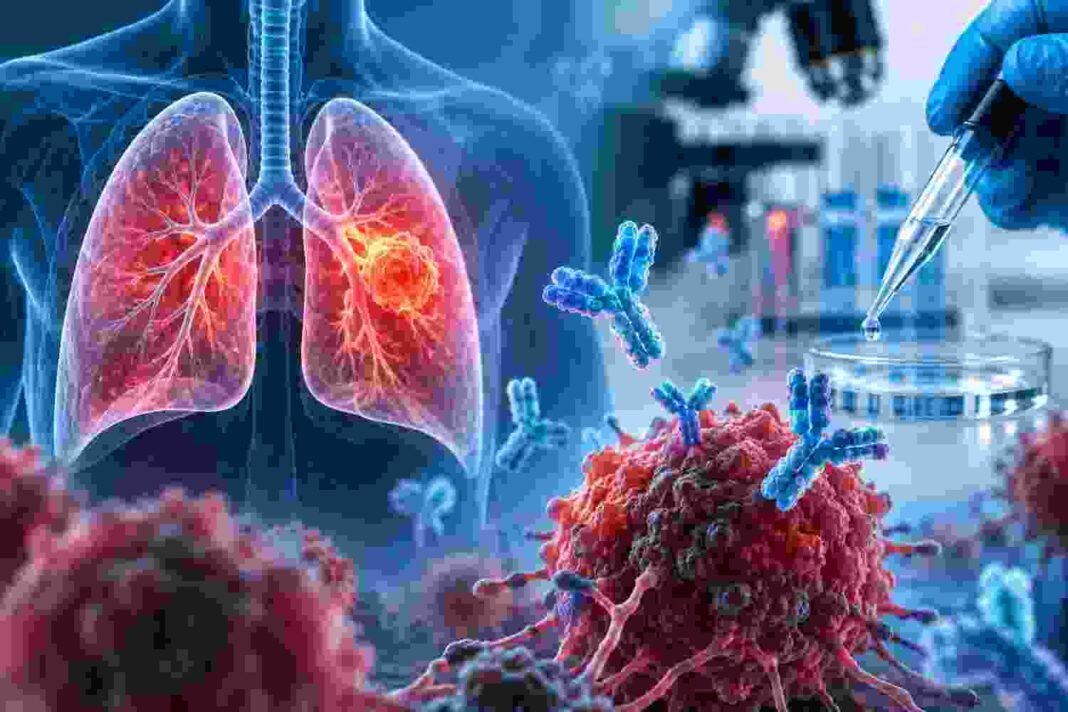
WASHINGTON: A potential new Lung Cancer Treatment has delivered encouraging results in a Phase 3 clinical trial, raising hopes for patients with a difficult form of the disease.
The experimental antibody drug, called gotistobart, showed stronger survival results than standard chemotherapy. BioNTech shared the findings from its ongoing PRESERVE-003 study.
Researchers tested the medicine in patients with squamous non-small cell lung cancer. Their cancer had continued to progress despite earlier immunotherapy and chemotherapy.
As a result, these patients had limited treatment options. Researchers wanted to determine whether gotistobart could improve survival compared with the chemotherapy drug docetaxel.
The trial included 87 patients who received second-line or later therapy. Researchers gave participants either gotistobart or standard docetaxel treatment.
According to the reported results, patients who received gotistobart reached a median overall survival of 18.5 months. Patients in the docetaxel group reached a median overall survival of 10 months.
That difference represents about 8.5 additional months in median overall survival. Therefore, the findings have attracted attention among researchers studying new options for advanced lung cancer.
Moreover, BioNTech said the latest Lung Cancer Treatment findings showed a statistically significant and clinically meaningful improvement in overall survival.
Researchers reviewed the study data on July 17, 2026. At that point, the trial had reached a median follow-up period of 25.4 months.
However, researchers still need more evidence before doctors can consider gotistobart an established therapy. The company continues to study its effectiveness and safety in the larger Phase 3 program.
Dr. Rama Balaraman, a medical oncologist at Ocala Oncology Center in Florida, serves as a principal investigator for the study. He described the results as encouraging.
He noted that patients with squamous non-small cell lung cancer often face limited choices after their disease progresses following immunotherapy.
Therefore, doctors need additional treatments that can extend survival while offering manageable safety profiles. Gotistobart could help address that unmet medical need.
Meanwhile, BioNTech co-founder and Chief Medical Officer Professor Özlem Türeci highlighted another important aspect of the research. She pointed to the immune system’s role in fighting cancer.
Researchers hope new therapies can reactivate immune responses that cancer may suppress. Such an approach could help the body recognize and attack cancer cells more effectively.
This strategy makes the experimental Lung Cancer Treatment particularly interesting for patients whose disease continues to grow after previous therapies.
However, the trial also recorded significant side effects. Researchers reported Grade 3 or higher treatment-related adverse events in 20 of the 45 patients who received gotistobart.
That figure represents 44.4 percent of patients in the gotistobart group. Therefore, researchers will continue evaluating safety alongside potential survival benefits.
Meanwhile, the pivotal stage of the PRESERVE-003 Phase 3 study continues at more than 160 centers worldwide. The large international program should provide more evidence about the drug.
BioNTech also reported encouraging findings from an earlier stage of the research. Those results suggested improved overall survival and durable anti-tumor activity compared with docetaxel.
Still, patients should not view the experimental medicine as an approved replacement for chemotherapy. Gotistobart remains an investigational drug while researchers continue the trial.
Furthermore, regulatory authorities will need to review the complete evidence before deciding whether doctors can use the drug routinely.
The potential Lung Cancer Treatment could become especially important if the larger study confirms the survival advantage seen in the reported data.
Lung cancer remains one of the most challenging cancers to treat, particularly when the disease advances despite earlier therapies. New treatment options can therefore make an important difference for eligible patients.
At the same time, survival numbers alone cannot determine the final value of a new medicine. Researchers must also examine safety, quality of life, durability of response, and other clinical outcomes.
Therefore, the complete Phase 3 findings will play a crucial role in determining gotistobart’s future. Medical and regulatory experts will examine the evidence before reaching conclusions.
For now, the results provide cautious optimism rather than a final answer. They suggest researchers have identified another promising approach for patients with few remaining treatment options.
Ultimately, this potential Lung Cancer Treatment could influence future care if ongoing research confirms its benefits. Until then, gotistobart will remain an experimental therapy under clinical investigation.