Quick Facts
- Location: At the far end of the Parishing Valley, near Gotamsar village, Astore District, Gilgit-Baltistan.
- Altitude: High mountain valley setting; Astore town sits at about 2,546 metres and the lake lies further up the Parishing valley.
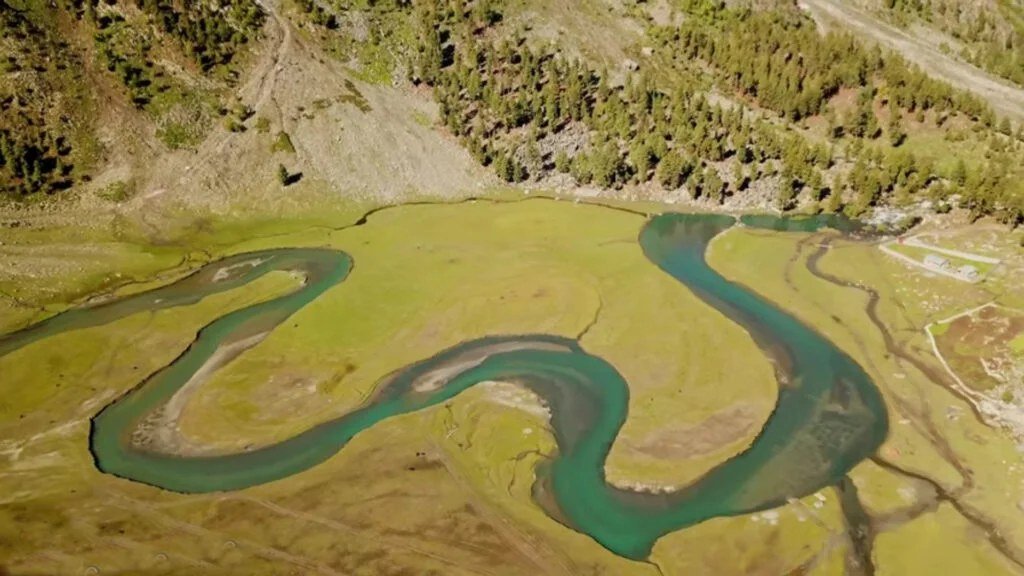
- Famous For: A natural phenomenon in which the winding river and green meadows form the Arabic word “Allah” when viewed from a height.
- Nearest City: Astore town (Eidgah), about 45 minutes away by jeep.
- Accessibility: By 4×4 jeep from Astore via the Parishing Valley road; no public transport to the lake itself.
- Known Landmarks: The “Allah” river formation viewpoint, the broad green meadows of Gotamsar, and the surrounding high peaks.
- Best For: Nature lovers, photographers, spiritual travellers, campers, and anyone seeking an offbeat corner of Gilgit-Baltistan.
Why Visit Allah Wali Jheel
There are lakes you visit for their colour and lakes you visit for their setting, and then there is Allah Wali Jheel, which people visit for a reason that is hard to put into words. At the far end of the Parishing Valley in Astore, a river winds through broad green meadows in a zigzag course, and from the slopes above, the pattern of water and grassland traces the Arabic word for God: Allah. Whether you see it as a miracle, a coincidence of geography, or simply a beautiful optical effect, standing at the viewpoint and watching the name emerge from the landscape is a genuinely moving experience.
The lake is one of the oldest known tourist spots in the Astore Valley, yet it remains refreshingly undeveloped. There are no resorts on its banks, no ticketed viewpoints, no crowds. What you get instead is a vast green field ringed by high mountains, a cold clear stream, and silence. The meadows around Gotamsar are broad enough for sports and games, which is why local visitors treat the place as a natural playground, and the air at this altitude has the thin, clean quality that makes everything look sharper.
For travellers who have already seen the famous lakes of the north, Rama, Attabad, Saif-ul-Malook, Allah Wali Jheel offers something different: a destination that is as much about faith and wonder as it is about scenery. It pairs naturally with the rest of Astore, one of Gilgit-Baltistan’s least crowded valleys, and this Allah Wali Jheel travel guide covers how to get there, when the road is open, what to bring, and what else to see in the valley.
History of Allah Wali Jheel
The lake’s recorded history as a destination goes back further than most of Gilgit-Baltistan’s tourist spots: the provincial tourism department lists it among the oldest and most renowned attractions of the Astore Valley. Long before vloggers and drone cameras, local people knew the far end of the Parishing Valley as the place where the river writes the name of Allah, and travellers from Astore and beyond made the journey to see it.
The wider history belongs to Astore itself. According to the Imperial Gazetteer of India, around the year 1600 a Persian adventurer named Ghazi Mukhpun married a princess of the Skardu ruling family, and their descendants became the chiefs of Skardu, Astore, Rondu, and Kharmang. Centuries later, Ali Sher Khan Anchan, the Maqpon ruler of Skardu who reigned from 1595 to 1633, conquered Astore and granted it to his grandson Shah Sultan, whose line ruled the valley with internal independence until the Sikh Empire annexed it in 1842. The valley later passed through Dogra rule before becoming part of Gilgit-Baltistan in the modern era; Astore was established as a district in 1935 and re-established in 2004.
For most of that history the Parishing Valley was reached only on foot or horseback. The jeep road that now connects Astore town to Gotamsar changed everything, putting the lake within a 45-minute drive and opening it to the summer tourist traffic that the valley sees today. In recent years the lake has featured on Discover Pakistan, the country’s tourism television channel, and in countless travel vlogs, but the site itself has barely changed: the same river, the same meadows, the same view from the heights. Visitors are asked to keep it that way by carrying out everything they carry in.
Top Things to Do in Allah Wali Jheel
See the “Allah” formation from the viewpoint
This is the reason for the journey. From the meadow level you see a pretty stream; from the slopes above, the river’s zigzag passage through the lush green fields resolves into the unmistakable shape of the Arabic word Allah. Climb to the higher ground on the valley side, give your eyes a minute to adjust, and the pattern emerges. Visit in the morning or late afternoon when the light rakes across the meadows and the contrast between water and grass is strongest. Drone footage captures it best, but the naked-eye view is the one that stays with you.
Walk the meadows of Gotamsar
The broad green fields around the lake are made for slow walking. The grass is soft, the stream braids through it in shallow channels, and wildflowers dot the banks in high summer. The fields are enclosed by towering mountains on all sides, so every direction offers a photograph. Local families picnic and play cricket here; join in if you are invited, or find a quiet corner of your own.
Picnic by the stream
The cold, clear water and the flat meadow banks make this one of the finest picnic spots in Astore. Bring everything you need from Astore town, food, water, a mat, and warm layers, because there are no shops or restaurants at the lake. The only rule, stated on every local sign and vlog, is to leave no litter: this is a spiritually significant place, and keeping it clean is a matter of respect.
Camp under the stars
The meadows are a natural campsite, and a night at Allah Wali Jheel is unforgettable: the Milky Way overhead, the sound of the stream, and peaks fading into darkness around you. Bring a proper tent, warm sleeping bags, and all supplies; nights are cold even in July and August. Camp well back from the stream, keep food secured, and take every scrap of waste back to Astore.
Photograph the valley in changing light
The combination of water, meadow, and mountain makes this a photographer’s valley. Dawn brings mist on the stream; midday gives the clearest view of the river pattern; evening turns the surrounding peaks gold. The aerial perspective is what made the lake famous, so if you fly a drone, do so considerately and well away from other visitors.
Meet the village of Gotamsar
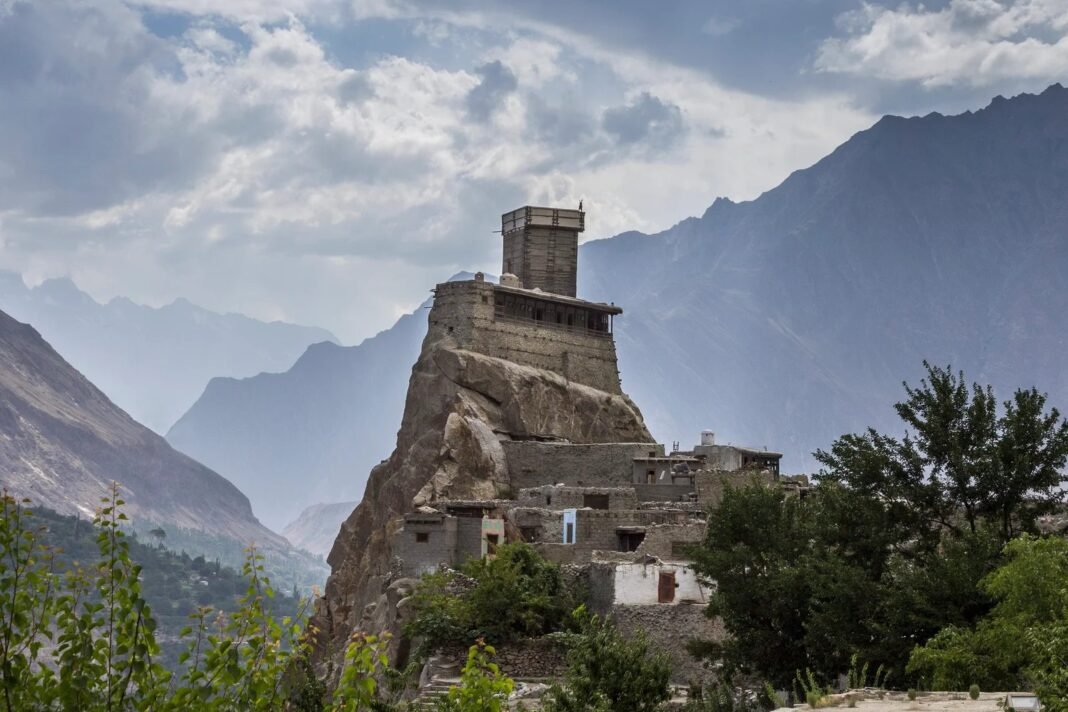
The small settlement near the lake is a traditional Astore village of stone and timber houses, terraced fields, and grazing livestock. A short walk through the village offers a glimpse of mountain life that has changed little in generations. Greet people politely, ask before taking photographs, and consider buying something from a village shop as a gesture of thanks for their hospitality.
Famous Places In and Around Allah Wali Jheel
Rama Lake and Rama Meadows — Astore’s most famous lake, about half an hour’s trek from Rama village, with Nanga Parbat views. Rattu Valley — alpine valley with the Dar Lay Lake, formed in 2005, and thick forests. Deosai National Park — the high “Land of Giants” plateau, reachable seasonally, home to Himalayan brown bears. Minimarg and Domail Rainbow Lake — stunning high valleys near the Burzil Pass, for the adventurous. Rupal Valley — gateway to the Rupal face of Nanga Parbat, the world’s highest mountain face. Astore Bazaar (Eidgah) — the valley’s market town for supplies, food, and jeep hire. For more northern journeys see our Hunza Valley travel guide, the Explore Pakistan section, and our hill-station guide to Malam Jabba.
How to Reach Allah Wali Jheel
Allah Wali Jheel is reached via Astore town (Eidgah), the headquarters of Astore District. From Astore, the lake lies at the far end of the Parishing Valley near Gotamsar village, about 18 kilometres away, and the drive takes roughly 45 minutes by 4×4 jeep. The Parishing Valley road is a mountain jeep track, not a metalled highway, so a high-clearance 4×4 is essential; hire one in Astore town where jeeps for the valley’s tourist spots are readily available.
Getting to Astore itself has two main routes. The year-round route is from Gilgit via Jaglot, a distance of about 128 kilometres on a permanent road. Gilgit is connected by air to Islamabad (weather-dependent flights) and by the Karakoram Highway to Islamabad and Rawalpindi (roughly 600 kilometres, 12 to 14 hours by road). The second route is from Skardu via the Deosai Plateau, about 143 kilometres, but this road is closed by snow from November to June and is only usable in summer.
From Islamabad, the practical itineraries are: fly to Gilgit and drive to Astore (one long day), or drive the KKH to Gilgit with an overnight halt and continue to Astore the next day. From Lahore, drive the M-2 motorway to Islamabad (about 380 km) and continue as above. From Karachi, fly to Islamabad and then to Gilgit; the overland route via the KKH is over 1,800 kilometres. In summer, the Babusar Pass route (Islamabad–Naran–Babusar–Chilas–Gilgit) shortens the road journey but closes in winter.
Route Details
Step 1: Reach Gilgit by air from Islamabad (about 1 hour, weather permitting) or by road on the KKH.
Step 2: Drive Gilgit to Astore (Eidgah) via Jaglot, about 128 km, on the year-round road. Alternatively, in summer only, drive Skardu to Astore via Deosai, about 143 km.
Step 3: In Astore town, hire a 4×4 jeep for the Parishing Valley. Confirm the price and the waiting time before leaving.
Step 4: Drive the Parishing Valley road to Gotamsar and Allah Wali Jheel, about 45 minutes. Start early to have the meadows to yourself and to return before dark.
Step 5: There is no public transport to the lake and no fuel beyond Astore town, so the jeep, your supplies, and your timing are the whole plan.
Where to Stay in Allah Wali Jheel
There is no accommodation at the lake itself; visitors stay in Astore town or camp in the meadows. Astore town (Eidgah) has a solid range of mid-range hotels and guesthouses aimed at the summer tourist trade, with clean rooms, hot water (usually), and restaurants serving Pakistani food. These are the practical choice: affordable, close to the bazaar, and the base from which all jeeps depart.
Budget travellers will find simpler guesthouses and lodges in the town and in villages like Rama, where family-run places offer basic rooms and home-cooked meals. At the upper end of the local scale, a few better-appointed hotels and resorts operate in the main valley during the season; standards are comfortable rather than luxurious, which is part of Astore’s unspoiled charm. For the full experience, camping at the lake is hard to beat, but bring your own tent and cold-weather sleeping gear, as nights at this altitude are chilly even in August and there is nothing to rent on site. Book ahead in July and August, when Astore fills with domestic tourists.
Where to Eat: Local Foods of Allah Wali Jheel
Eat in Astore town before heading to the lake, because there is nothing to buy at Gotamsar. The valley’s signature food experience is fresh trout from its cold streams, served fried or grilled at the town’s restaurants and dhabas; Astore’s trout is considered among the best in Gilgit-Baltistan. The everyday diet is mountain food: maize and wheat breads baked fresh, potatoes, beans, dairy products, and desi ghee, with meat dishes on the Pakistani pattern at the bazaar eateries.
Dry fruits are excellent here, apricots, almonds, and walnuts from the valley’s orchards, and local honey and herbal products appear in the bazaar in season. For the lake trip itself, pack a proper picnic in Astore: bread, cheese, fruit, dry fruit, and plenty of drinking water, plus tea in a flask if you like it. A simple meal at an Astore dhaba is very budget-friendly; the trout restaurants cost more but are worth it once. Carry out all your rubbish from the meadows.
Weather in Allah Wali Jheel
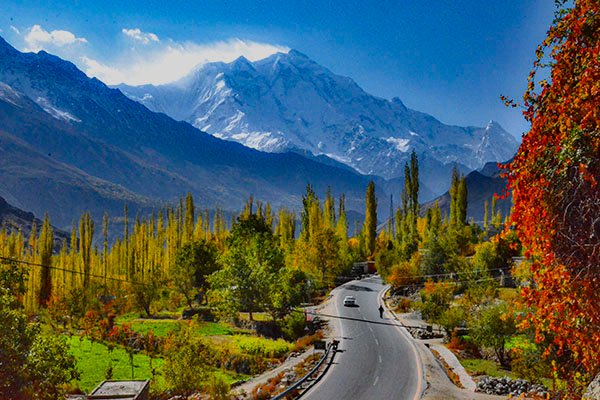
Astore has a continental mountain climate: moderate summers and long, snowy winters. Astore town sits at 2,546 metres, and the lake lies higher up the valley, so expect it to be several degrees colder than the town at any season. The Parishing Valley road is typically passable from late May or June through October; in winter the lake is buried in snow and unreachable. Approximate seasonal ranges for the lake area:
| Season | Temperature Range | Conditions |
|---|---|---|
| Winter (Dec–Mar) | -10°C to 2°C | Heavy snow; the lake and road are inaccessible. Astore town itself gets deep snow. |
| Spring (Apr–May) | 0°C to 15°C | Snowmelt; the road usually opens in late May. Meadows are brown turning green; cold nights. |
| Summer (Jun–Aug) | 8°C to 24°C | The season. Green meadows, full streams, long days. Afternoon clouds and brief showers possible. |
| Autumn (Sep–Oct) | 0°C to 18°C | Golden grasses, clear air, thinning crowds. Cold nights; the road can close with early snow in late October. |
Mountain weather changes fast: sunshine, cloud, and cold wind can cycle within an hour. Even in July, carry a warm layer and rain protection. The best light for seeing the river pattern is on clear mornings.
Language and Culture of Allah Wali Jheel
The main language of the Astore Valley is Shina (also called Tshina), with several local dialects. Urdu is the second language and is widely understood in Astore town and along the tourist routes; in summer, local guides and many shopkeepers speak some English. Learning a Shina greeting will earn you smiles in Gotamsar.
Astore is a conservative mountain society, and visitors should behave accordingly. Dress modestly, with shoulders and knees covered; women should carry a headscarf for village visits. The lake is spiritually significant to local people because of the Allah formation, so treat the site with the reverence you would show a shrine: keep noise down, keep the meadows spotless, and do not carve names or leave marks anywhere. Ask before photographing villagers. Hospitality here is genuine and generous; if a family in Gotamsar offers you tea, it is a real honour, accept it.
Shopping in Allah Wali Jheel
There are no shops at the lake, so all shopping happens in Astore town’s bazaar. The valley’s dry fruits are the essential purchase: apricots, almonds, and walnuts at prices well below the cities. Look for local honey, desi ghee, and herbal products from the high pastures. Handicrafts include woolen shawls, caps, and embroidered items made in the valley’s villages; the selection is smaller than in Hunza or Skardu, but prices are fair and the goods are authentic.
There are no shopping malls anywhere in Astore, and the bazaar is the real thing: a working market for valley people that happens to welcome tourists. Buy your picnic supplies here too, and fill fuel in Astore town before heading up the Parishing Valley road.
Travel Tips for Allah Wali Jheel
Packing Essentials
A 4×4 jeep is not optional for the Parishing Valley road; confirm the vehicle and driver in Astore town. Pack all food and drinking water for the day, warm layers even in summer, sun protection (the high-altitude sun is fierce), sturdy walking shoes for the meadow and viewpoint climb, and a rubbish bag to carry everything out. If camping, bring a four-season-capable tent, warm sleeping bags, a stove, and a first-aid kit. A power bank is useful as there is no electricity at the lake.
Safety Tips
The jeep track demands an experienced local driver; do not attempt it in a normal car. Start early and plan to be back in Astore before dark. The stream is snowmelt-cold and the current can be strong; do not swim in it. Altitude here is moderate but the sun and the climb to the viewpoint can tire you; pace yourself and drink water. Check the weather before leaving Astore, as the valley can close in with cloud quickly. Travel insurance that covers mountain areas is sensible.
Money & Connectivity
Carry all the cash you need from Gilgit or Astore town; there are no ATMs beyond Astore and no card payments anywhere near the lake. Mobile signals fade quickly once you leave Astore town for the Parishing Valley, so download offline maps and tell someone your plans. Fuel is available in Astore town but not beyond it.
Best Time to Visit Allah Wali Jheel
Summer (June–August)
The prime season and the only fully reliable one. The road is open, the meadows are at their greenest, the stream runs full, and the river pattern shows at its clearest. July and August are the busiest months; go on a weekday for quiet.
Early Summer (Late May–June)
The road usually opens in late May. Meadows are freshly green, crowds are thin, but nights are cold and late snow can still delay the opening. Check locally before committing.
Autumn (September–October)
Golden meadows, crystal-clear air, and very few visitors. Beautiful for photography, but cold nights and the risk of early snow closing the road in late October.
Winter (November–April)
Not a visiting season. The lake is under deep snow, the road is closed, and Astore town itself is largely cut off except via the Gilgit road. Plan for summer instead.
Final Thoughts
Allah Wali Jheel is not the easiest lake to reach in Gilgit-Baltistan, and that is precisely its charm. The jeep ride up the Parishing Valley, the walk across the meadows, the moment the river’s pattern resolves into the name of Allah from the viewpoint: the whole journey feels like a small pilgrimage, whether you come for faith, for photography, or simply for the silence of a high green valley.
Go prepared, go respectfully, and leave the meadows as clean as you found them. Pair the lake with Rama Lake and, if the season allows, the Deosai Plains, and you will have seen Astore at its finest. Few places in Pakistan reward the traveller’s effort quite like this quiet corner of the Parishing Valley.
FAQs
Where is Allah Wali Jheel?
At the far end of the Parishing Valley near Gotamsar village in Astore District, Gilgit-Baltistan, about 45 minutes by jeep from Astore town.
Why is it called Allah Wali Jheel?
From the heights above the meadows, the river’s zigzag course through the green fields forms the shape of the Arabic word “Allah”, a natural phenomenon that made the site famous.
What is the best time to visit Allah Wali Jheel?
June to September, when the jeep road is open and the meadows are green. July and August are peak months; late May and October are possible but weather-dependent.
How do I reach Allah Wali Jheel from Islamabad?
Fly or drive to Gilgit, drive to Astore via Jaglot (128 km, year-round), then hire a 4×4 jeep in Astore town for the 45-minute Parishing Valley road to the lake.
Is Allah Wali Jheel safe for tourists?
Yes, with normal mountain precautions: use an experienced local jeep driver, travel in daylight, carry supplies, and check the weather. The site itself is peaceful and welcoming.
Is it suitable for families?
Yes for families with older children who enjoy the outdoors. The jeep track is bumpy, there are no facilities at the lake, and the viewpoint requires a short climb, so it suits adventurous families best.
Where should I stay near Allah Wali Jheel?
In Astore town (Eidgah), which has mid-range hotels and guesthouses, or camp in the meadows with your own gear. There is no accommodation at the lake.
What food is available near the lake?
Nothing at the lake itself; pack a picnic from Astore town. In town, try the famous Astore trout, fresh breads, and the valley’s dry fruits and honey.