While travellers crowd into Skardu and Hunza, one of Baltistan’s quietest valleys sits almost unnoticed on the banks of the Shyok River. Barah Valley — a cluster of traditional Balti villages beneath the Karakoram, with a high meadow called Barah Broq and a viewpoint from which K2 itself appears — is the definition of an undiscovered destination. This Barah Valley travel guide covers its history and culture, the famous trek, the best time to visit, where to stay, what to eat, and exactly how to reach it from Skardu, Islamabad, Lahore and Karachi.
Quick Facts
- Location: Ghanche District, Gilgit-Baltistan, on the banks of the Shyok River near Khaplu
- Altitude: around 2,500 metres (8,200 feet) above sea level
- Famous For: Barah Broq alpine meadow, Moses Peak viewpoint with K2 views, traditional Balti villages
- Nearest City: Khaplu; Skardu about 100 kilometres to the west
- Accessibility: road via Khaplu from Skardu (3–4 hours); Skardu has the nearest airport
- Known Landmarks: Barah Broq, Moses Peak, Shyok River, eight village settlements
- Best For: trekkers, photographers, culture seekers, travellers avoiding crowds
Why Visit Barah Valley
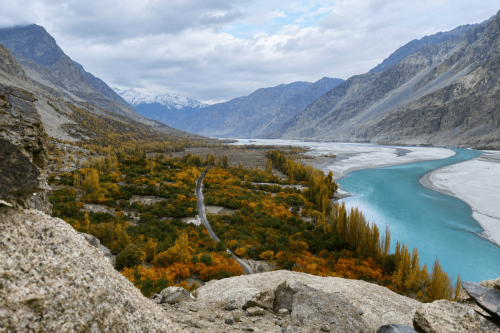
Barah Valley’s strongest argument is simple: it offers Karakoram grandeur without the Karakoram crowds. The valley floor is a patchwork of green fields, fruit orchards and stone-and-wood Balti houses, with the Shyok River running alongside and high peaks rising on every side. Life here moves at the pace it has kept for generations — farmers in the fields, herders moving livestock to summer pastures, children walking to school along irrigation channels.
Above the villages lies the real prize. Barah Broq, the high summer grazing meadow, is a world of alpine grass, glacier-fed streams and cold clear lakes. And at the head of the valley stands Moses Peak, a non-technical viewpoint from which, on a clear day, the panorama sweeps across K2, Broad Peak, the Gasherbrums, Masherbrum and even Nanga Parbat. Few places on earth deliver that much mountain majesty after only a few days on the trail — and the route requires no peak royalty permit.
There is also the matter of timing. Barah Broq has only recently opened to trekkers, and the valley’s communities are at the very beginning of their adventure-tourism story. Visiting now means genuine encounters — tea with herder families, unhurried conversations in villages that rarely see outsiders — and the knowledge that your visit directly supports a community building its tourism future. For more off-the-beaten-track northern destinations, browse our Explore Pakistan collection.
History of Barah Valley
Barah’s recorded history is thin, but its name carries a story. In the Balti language, “Bara” means cattle, and local tradition holds that during the era of the local kings, royal cattle were grazed in these pastures — giving the valley its name. Baltistan itself was a patchwork of small kingdoms for centuries, with Khaplu ruled by the Yabgo dynasty from its palace-fortress above the town. The valley’s villages — eight in total, divided into Barah Bala (upper) and Barah Pain (lower) — grew as farming settlements sustained by ingenious irrigation channels carrying glacier melt to terraced fields.
The region’s deeper history is written in its faith. Baltistan was Buddhist for over a thousand years before the arrival of Islam in the 14th century, spread by Sufi missionaries from Kashmir and Central Asia. The people of Barah today are Balti Muslims, belonging mostly to the Noorbakshia and Sunni traditions — the Noorbakshia order being a Sufi tradition found almost only in Baltistan. The 14th-century Chaqchan Mosque in nearby Khaplu, one of the oldest mosques in Gilgit-Baltistan, dates from this very wave of conversion.
For most of the 20th century, Barah remained cut off from the outside world, reachable only by rough tracks. Road connections to Khaplu and Skardu changed that slowly, and organised trekking arrived even later — the trekking route into the upper valley was formally opened in October 2009. The Barah Broq trek, with its Moses Peak viewpoint, has been developed by local trekking operators in recent years as a short, accessible alternative to the long Baltoro expeditions. The valley is still writing its tourism history, and visitors today are part of that first chapter.
Top Things to Do in Barah Valley
Trek to Barah Broq
The Barah Broq trek is the valley’s signature experience: a moderate 4-to-5-day journey from Barah village up through the valley to the high alpine meadows. The landscape transforms as you climb — stone houses and terraced fields give way to willow-lined creeks, then to open pastures where herders graze their animals in summer, and finally to cold lakes beneath rock and ice. Nights are spent camping on soft meadows beside clear streams. The trek suits hikers with basic fitness; no technical climbing is involved.
Climb to the Moses Peak Viewpoint
At the head of the valley, Moses Peak is the showstopper: an open, non-technical viewpoint delivering one of the great panoramas of the Karakoram. From here the eye travels across K2, Broad Peak, the four Gasherbrums, Masherbrum, Chogolisa, Spantik, the Latok group, K7, K6, K12 and even Nanga Parbat far to the south. Trekkers consistently call it the shortest, cheapest route to a genuine K2 view in Pakistan. Go for sunrise if you can — the peaks catch fire while the valley is still in shadow.
Walk the Village Trails
The eight villages of Barah Bala and Barah Pain are connected by old walking paths along the irrigation channels. A day spent wandering between them — past apricot orchards, wheat fields and traditional flat-roofed houses — is the gentlest way to meet the valley. Farmers are generally happy to chat, and you will likely be invited for tea. This is slow travel at its best.
Photography Along the Shyok River
The Shyok River, which gives the valley its fertile soil, is a photographer’s subject in its own right: milky glacial water, sandy banks, and the Karakoram rising behind. Dawn and dusk light on the river with the peaks behind is superb, and the autumn colours of the orchards add a second season of interest.
Experience Balti Village Life
Barah is a living cultural landscape. Depending on the season you may see wheat harvest, apricot drying on rooftops, or livestock being moved to the high pastures. Polo — the traditional sport of Baltistan — is played in Khaplu, and local music and dance appear at weddings and celebrations. Ask your guesthouse host what is happening during your visit.
Famous Places In and Around Barah Valley
- Barah Broq: the high alpine meadow above the valley; summer grazing land and trekking base.
- Moses Peak: the panoramic viewpoint with K2 and a dozen other great peaks.
- Khaplu: the district town, with Khaplu Palace (the old Yabgo royal residence, now a heritage hotel), Khaplu Fort and the bazaar.
- Chaqchan Mosque, Khaplu: built in 1370, one of the oldest mosques in Gilgit-Baltistan, a masterpiece of Tibetan-Balti wooden architecture.
- Thoqsi Khar: the historic fort remains above Khaplu town.
- Shyok River: the river valley corridor connecting Barah to Khaplu and beyond.
How to Reach Barah Valley
Barah Valley is about 100 kilometres east of Skardu, and the drive typically takes 3 to 4 hours via Khaplu, depending on road conditions. The road from Skardu follows the Indus and then the Shyok river valleys — itself one of the scenic drives of Baltistan, passing through Shigar and into the Khaplu region before turning up to Barah.
Most travellers reach Skardu first. The fastest option is the flight from Islamabad to Skardu International Airport, which takes about an hour (weather permitting — mountain flights are frequently delayed or cancelled, so keep a buffer day). By road, Islamabad to Skardu is roughly 630 kilometres via the Karakoram Highway or the Naran–Babusar route, a 14-to-16-hour journey usually split over two days. From Lahore, add the 375-kilometre M-2 stretch to Islamabad (about 4–5 hours). From Karachi, fly to Islamabad and connect onward — the overland route is over 2,000 kilometres.
From Skardu, hire a 4×4 or join a tour to Khaplu and Barah; public vans run to Khaplu, from where local transport or a booked jeep covers the last stretch to Barah village. For the Barah Broq trek, arrange a local guide in Barah or Khaplu — the route is straightforward but remote, and a guide adds safety, logistics and cultural access.
Route Details
- Islamabad to Skardu: by air (about 1 hour, weather-dependent) or by road via the KKH (about 630 km, 14–16 hours over two days).
- Skardu to Khaplu: about 100 km east along the Shyok valley road (2.5–3.5 hours); the road is paved but narrow in places.
- Khaplu to Barah village: local road up the valley; arrange a jeep locally (under an hour from Khaplu town).
- Barah village to Barah Broq: 4–5 day return trek; camp at meadow sites along the route, with Moses Peak as the high point.
Where to Stay in Barah Valley
Accommodation in Barah itself is simple: family-run guesthouses in the villages offer clean rooms, home-cooked food and genuine Balti hospitality at budget-friendly rates. These are the best base for the trek and for village exploration — and staying with a family is half the cultural experience. Book through a Khaplu or Skardu tour operator if you want arrangements made in advance, as online listings are few.
Khaplu town, under an hour away, has the widest choice: mid-range hotels and guest houses in the bazaar area, plus the famous Khaplu Palace — the restored 19th-century Yabgo royal residence, now operating as a heritage hotel and the valley’s luxury option. Skardu has everything from budget hostels to high-end resorts for the nights before and after. On the Barah Broq trek, you camp — bring a four-season-capable tent or join an organised trek where camping gear is provided.
Where to Eat: Local Foods of Barah Valley
Balti cuisine is hearty mountain food, designed for cold climates and hard work, and Barah is an excellent place to taste it at its most authentic. Start with pau cha, the salty butter tea drunk throughout the day, served with khurba — the local round bread baked in hot ash or on a griddle. Balay is the beloved noodle soup (similar to thukpa), warming and filling after a day on the trail. Mamtu are steamed dumplings filled with minced meat and onion; chapshuro are the larger meat pies of the region; and prapu is a traditional buckwheat preparation. Azoq, a special festive bread, appears at ceremonies and celebrations.
Apricots are the valley’s treasure — fresh in summer, dried on rooftops for winter, pressed for oil, and cooked into desserts. Khaplu’s bazaar is famous for its achar (pickle) and dried fruit. Guesthouse meals are home-cooked and generous; expect daal, rice, seasonal vegetables and meat dishes alongside the Balti specialities. A home-cooked meal at a village guesthouse is very affordable; restaurant prices in Khaplu are modest. Carry snacks and energy food for trekking days, as there are no shops above the villages.
Weather in Barah Valley
Barah has a true alpine climate: long, harsh winters and short, cool summers. At 2,500 metres the valley floor is pleasant in summer but the nights stay cool, while the high pastures of Barah Broq can freeze even in July. Winter brings heavy snow that can cut road access. The table below gives approximate seasonal ranges for the valley floor; subtract roughly 6–8°C for the high trekking country.
| Season | Temperature Range | Conditions |
|---|---|---|
| Winter (Dec–Mar) | -15°C to 2°C | Heavy snow; valley blanketed white; road access difficult; only for the hardy |
| Spring (Apr–May) | 5°C to 18°C | Apricot and almond blossom; melting snow; trails begin to open |
| Summer (Jun–Aug) | 12°C to 25°C | Best trekking weather; green meadows; cool nights; occasional rain |
| Autumn (Sep–Oct) | 5°C to 20°C | Golden orchards; crystal-clear mountain views; excellent for photography |
| Late Autumn (Nov) | -5°C to 10°C | Quiet; first snows on the high peaks; guesthouses begin to close |
Language and Culture of Barah Valley
The people of Barah are Balti — an ethnic group of Tibetan descent whose language, Balti, belongs to the Tibetic family and was traditionally written in its own script. Urdu is the official language and is widely understood, especially by younger people and anyone involved in tourism. English is limited outside hotels and tour operators, so a few Balti or Urdu greetings go a long way.
Culturally, the valley blends Tibetan heritage with Islamic faith — most residents follow the Noorbakshia or Sunni traditions of Islam. Hospitality is profound: guests are honoured, and refusing offered tea is difficult. Society is conservative; dress modestly (covered arms and legs for both men and women), and always ask before photographing people, particularly women. Remove shoes when entering homes and mosques. Polo, archery and traditional music are the classic Balti pastimes — if a match or celebration is on during your visit, accept any invitation.
Shopping in Barah Valley
Shopping here means village and bazaar finds, not malls. Khaplu’s bazaar — the nearest real market — sells dried apricots, apricot oil, local honey, walnuts and almonds at excellent prices. Look for handwoven woollen shawls and socks, Balti caps, and simple woodwork made by local craftsmen. Pashmina-style shawls from the wider region appear in Skardu’s shops if you want a bigger selection. Bargaining is gentle and expected. There are no shopping malls in Barah or Khaplu; Skardu has the closest modern retail.
Travel Tips for Barah Valley
Packing Essentials
Layers are everything: thermal base layers, a fleece, a windproof and waterproof outer shell, warm hat and gloves — even in summer for the high meadows. Sturdy broken-in trekking boots, a sleeping bag rated below freezing for camping, sunscreen and sunglasses (mountain sun is fierce), a headlamp, water purification, and a basic first-aid kit. A down jacket is worth its weight on the Broq.
Safety Tips
Acclimatise: at 2,500 metres and above, take it easy on day one, hydrate well and watch for altitude symptoms on the trek. Hire a local guide for Barah Broq — the route is remote and weather changes fast. Inform your guesthouse of your trekking plan and expected return. The valley is considered safe and welcoming; standard mountain precautions apply.
Money & Connectivity
Carry all the cash you will need — ATMs are scarce beyond Skardu, and none exist in Barah. Small denominations help in villages. Mobile coverage in Gilgit-Baltistan is dominated by SCO (SCOM); other networks have limited or no signal in the valley. Buy a local SIM in Skardu if you need connectivity, and download offline maps before leaving. Wi-Fi exists in some Khaplu and Skardu hotels but not in Barah’s guesthouses.
Best Time to Visit Barah Valley
June to September — Trekking Season
The prime window. Snow has cleared from the Barah Broq route, meadows are green, streams are full, and daytime temperatures on the valley floor are pleasant. July and August are the busiest months — though “busy” in Barah still means very few visitors. This is when to attempt Moses Peak.
April to May — Blossom Season
Apricot and almond blossom transform the valley floor into white and pink. The high trek is not yet open, but village walks, photography and cultural travel are at their best, with mild weather and almost no tourists.
October — Autumn Gold
The orchards turn gold and red, the air becomes crystal clear, and the great peaks stand out in sharp relief. Trekking is possible early in the month if snow holds off. A photographer’s favourite.
November to March — Winter
Only for experienced winter travellers. The valley is beautiful under snow but bitterly cold, guesthouses largely close, and road access is unreliable. The mountains, however, are at their most dramatic.
Final Thoughts
Barah Valley is a reminder of what the northern areas felt like before tourism discovered them: quiet villages, honest hospitality, and mountains that do not need a filter. The Barah Broq trek and its K2 panorama give it a genuine adventure credential, but the valley’s soul is in its fields, its tea houses and its unhurried rhythm.
Go with realistic expectations — simple accommodation, limited connectivity, and weather that makes its own plans — and you will be rewarded with one of Baltistan’s most authentic experiences. If this Barah Valley travel guide has put the valley on your list, pair it with our Hunza Valley guide or the snowy slopes of Malam Jabba for a fuller northern itinerary.
FAQs
Where is Barah Valley located?
Barah Valley is in Ghanche District, Gilgit-Baltistan, on the banks of the Shyok River near Khaplu — about 100 kilometres east of Skardu, at around 2,500 metres altitude.
What is the best time to visit Barah Valley?
June to September is best for the Barah Broq trek and Moses Peak. April–May is best for blossom season, and October for autumn colours and clear peak views.
How do I reach Barah Valley from Islamabad?
Fly or drive to Skardu (1-hour flight, weather-dependent, or 630 km by road over two days), then drive about 100 km east via Khaplu to Barah village (3–4 hours).
Can you see K2 from Barah Valley?
Yes — from the Moses Peak viewpoint at the head of the valley, K2, Broad Peak, the Gasherbrums, Masherbrum and Nanga Parbat are all visible on a clear day. It is considered one of the shortest routes to a K2 view.
Is Barah Valley safe for tourists?
Yes. The valley is peaceful and its people famously hospitable. Take normal mountain precautions: acclimatise, hire a local guide for the trek, and carry cash.
Where can I stay in Barah Valley?
Family-run guesthouses in Barah’s villages (simple, budget-friendly, with home-cooked food), hotels in Khaplu including the heritage Khaplu Palace, and camping on the Barah Broq trek.
What food should I try in Barah Valley?
Balti specialities: pau cha (salty butter tea), khurba bread, balay noodle soup, mamtu dumplings, chapshuro meat pies, and the valley’s famous apricots and dried fruit.
Do I need a permit for the Barah Broq trek?
No peak royalty permit is needed — Moses Peak is a non-royalty viewpoint and the trail lies in a public area. A local guide is strongly recommended for safety and logistics.