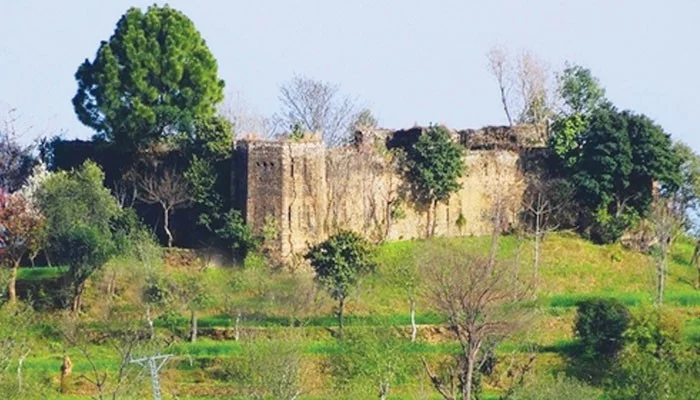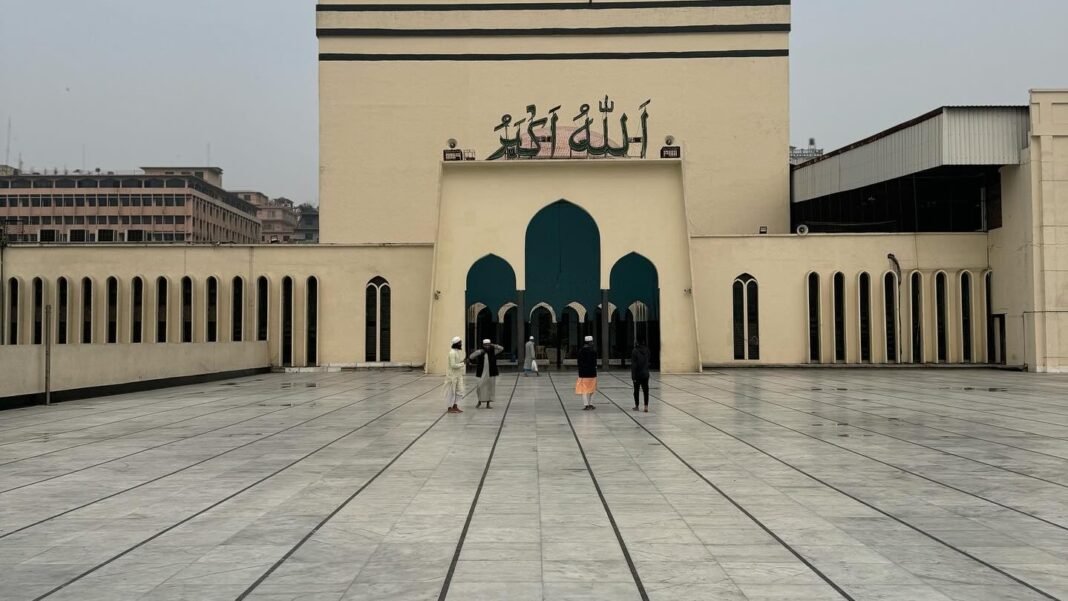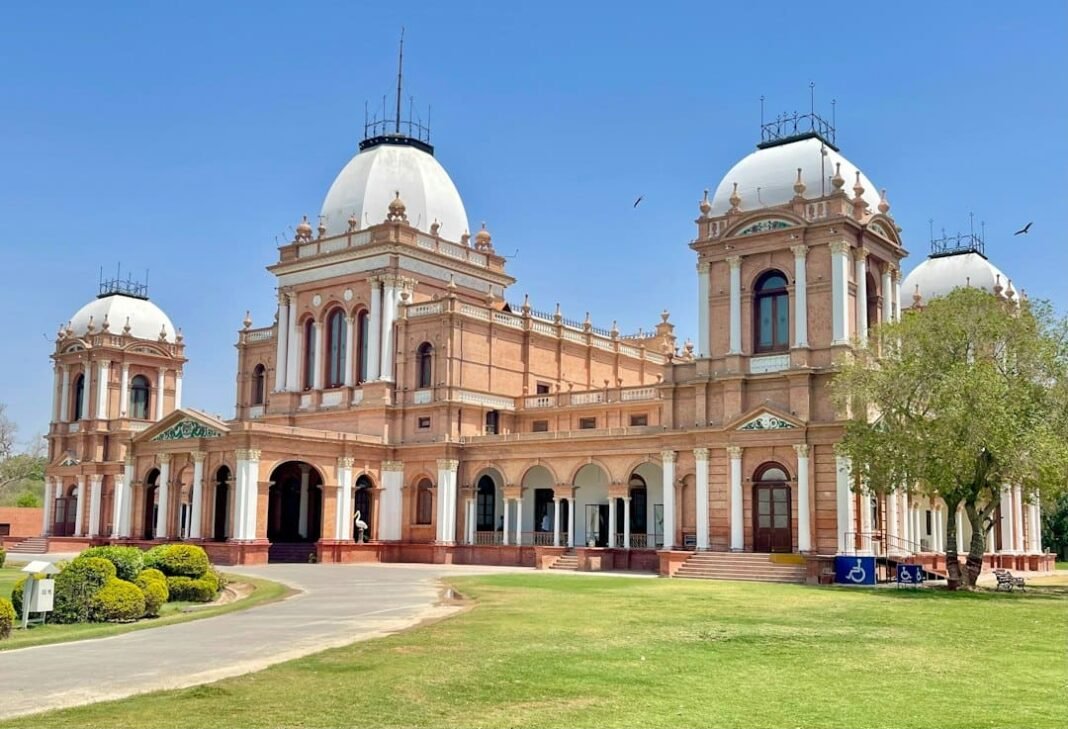
Quick Facts
- Location: Bahawalpur city, Punjab, near the Sadiq Reading Library in the cantonment area
- Established: 1976, to preserve the historical and cultural heritage of the Bahawalpur region
- Famous For: 12 galleries and more than 5,000 antiquities, including the Nawabs’ arms and armour, Tipu Sultan’s sword, rare manuscripts and Cholistan desert crafts
- Nearest City: Bahawalpur itself; Multan is about 90 km away
- Accessibility: Easy road access within Bahawalpur city; Bahawalpur Airport (domestic) and Bahawalpur Railway Station serve out-of-city visitors
- Known Landmarks: The Nawab-era Vulcan Foundry locomotive at the entrance, the Bahawalpur (Nawabs) gallery, the Islamic Arts gallery, the Cholistan galleries
- Best For: History buffs, students, families, and anyone exploring the princely-state heritage of South Punjab
Why Visit Bahawalpur Museum
Bahawalpur was once the capital of one of British India’s great princely states, and its museum is the single best place to understand what that means. Established in 1976 to preserve the region’s historical and cultural heritage, the Bahawalpur Museum today holds more than 5,000 antiquities across 12 galleries — from prehistoric tools and Gandharan sculpture to the personal swords of nawabs and the embroidered textiles of Cholistan’s desert women. It is, as one national newspaper put it, a walk through a Pakistan Studies textbook — except the exhibits are real, and many of them are magnificent.
The headline pieces are worth the trip on their own. The museum houses Tipu Sultan’s sword, a relic of the Tiger of Mysore that draws history lovers from across the country. The Islamic Arts gallery displays spears, shields, swords, daggers, armour, guns and even cannons, alongside delicate 18th-century crafts in camel skin and ivory, wood and copper carvings, and threadwork. A dedicated Bahawalpur gallery pays tribute to the last Nawab of Bahawalpur State, Sir Sadiq Khan Abbasi, tracing the glory of a state that was the second-largest princely state of the British Raj.
Beyond the headline acts, the museum is a genuine education in the region. The archaeology gallery divides the pre-Islamic past into prehistoric, Gandharan and Hindu art; the coins and medals gallery holds hundreds of coins; the manuscripts and calligraphy gallery preserves handwritten Qurans and inscriptions; and the regional culture and Cholistan galleries display the everyday objects, jewellery and handicrafts of the desert communities of Bahawalnagar, Bahawalpur and Rahim Yar Khan. The Tehreek-e-Pakistan gallery presents the nearly two-hundred-year struggle for a Muslim homeland in chronological photographs.
For travelers, the museum is also the perfect anchor for a Bahawalpur itinerary. It sits beside the Sadiq Reading Library, minutes from Noor Mahal and within easy reach of Derawar Fort and the Cholistan Desert. A morning here gives every palace and fort you visit afterward its proper historical context. This bahawalpur museum travel guide covers everything you need to plan that visit.
History of Bahawalpur Museum
The museum’s story begins with the state it commemorates. Bahawalpur was a princely state ruled by the Abbasi dynasty of nawabs, and at its height it was the second-largest state in the British Raj — a wealthy, well-administered realm with its own army, currency stamps and postal system. When the state acceded to Pakistan in 1947 under its last ruler, Sir Sadiq Khan Abbasi, it brought with it palaces, forts, archives and a distinct courtly culture that deserved a permanent home.
That home arrived in 1976, when the museum was established in Bahawalpur city under the control of the district government, with a mandate covering archaeology, art, heritage, modern history and religion. The early museum was a modest institution — the eight galleries of its first decades included the Pakistan Movement gallery, the archaeological gallery, the Islamic gallery, the regional cultural gallery, the coin gallery, the Quran gallery, the Bahawalpur gallery and the Cholistan gallery. A Dawn feature from the era of its long renovation described it candidly as small but sincere: a place where a rescued Vulcan Foundry locomotive — said to have been used by the Nawab himself — stood guard at the entrance, and where a 1905 copy of the local daily Paisa Akhbar and a 1945 copy of Dawn shared space with Mughal-era battle armour and old flintlock muskets.
The museum’s great expansion came with the completion of its development plans in 2022, which increased the galleries to twelve and the antiquities to more than 5,000. The new and reorganised galleries — Bahawalpur Sections, Tehreek-e-Pakistan Gallery, Islamic Arts Gallery, Archeology Gallery, Coins and Medals Gallery, Regional Culture Gallery, Parchat Gallery, Manuscripts and Calligraphy Gallery, the Cholistan Children Section and the Model Making Gallery — turned a small regional museum into one of South Punjab’s most important cultural institutions. The museum now welcomes tens of thousands of visitors a year, including large numbers of students, and continues to grow its collection and displays.
Top Things to Do in Bahawalpur Museum
See Tipu Sultan’s Sword
Ask the staff to point you to the museum’s most famous single object: the sword of Tipu Sultan, the 18th-century ruler of Mysore whose resistance to the British made him a legend across the subcontinent. It is displayed among the arms and armour, and for many visitors it is the emotional high point of the visit — a tangible link to one of South Asian history’s most romantic figures, housed improbably and wonderfully in a South Punjab museum.
Walk the Islamic Arts Gallery
This is the museum’s most visually striking space. A large part of the gallery is given over to the weapons of Muslim conquests and wars — spears, shields, swords, daggers, suits of armour, guns and cannons — arranged for impact. Around them are the quieter treasures: 18th-century arts and crafts, items and clothing made from camel skin and ivory, jewellery, threadwork, and a fine collection of wood and copper carvings. Give this gallery the most time; it rewards slow looking.
Pay Respects in the Bahawalpur (Nawabs) Gallery
The gallery dedicated to Sir Sadiq Khan Abbasi and the Bahawalpur state presents photographs, documents and personal articles of the princely era. It is the best single introduction to what the state was — its court, its administration, its relationship with the British Raj and its accession to Pakistan. Visit this gallery before you head out to Noor Mahal or Derawar Fort; everything you see afterward will make more sense.
Study the Archaeology Gallery
The pre-Islamic collections are organised into prehistoric, Gandharan and Hindu art, with pottery, tools and sculpture from excavation sites in the Bahawalpur region. History enthusiasts will appreciate the Gandharan pieces in particular — this region sat on the cultural frontier of that great Buddhist civilisation, and the gallery makes the connection concrete.
Explore the Coins, Manuscripts and Calligraphy Galleries
The Coins and Medals gallery holds more than 300 coins spanning ancient and medieval issues, a compact course in the region’s economic history. Nearby, the Manuscripts and Calligraphy gallery preserves handwritten Qurans, inscriptions and Quranic documents — the Islamic gallery’s textual counterpart, and a quiet, contemplative space.
Bring Children to the Cholistan Sections
The Regional Culture gallery and the Cholistan Children Section display the everyday objects, textiles, jewellery and handicrafts of the desert communities — camel decorations, nomadic lifestyle tools, embroidery and rugs. For children, these colourful, tactile-feeling displays are far more engaging than cases of coins, and they offer the best introduction to the living culture of the Cholistan Desert.
Photograph the Nawab’s Locomotive
Near the entrance stands the old Vulcan Foundry locomotive, rescued from rust and rehabilitated by the museum. Staff say it was used by the Nawab himself. It makes a splendid photograph and a fitting threshold object: the princely state’s industrial age, rendered in black, silver and green steel.
Famous Places In and Around Bahawalpur Museum
- Sadiq Reading Library — immediately adjacent to the museum; one of the region’s great historic libraries, worth a look for book lovers.
- Noor Mahal — Bahawalpur’s iconic 19th-century palace, a short drive away in the cantonment area.
- Derawar Fort — the colossal square fort of Cholistan with its forty bastions, the region’s signature monument (day trip).
- Abbasi Mosque — the beautiful mosque near Derawar, built from the same era’s royal patronage.
- Lal Suhanra National Park — desert and wetland wildlife park on the city’s edge.
- Uch Sharif — the ancient town of Sufi shrines, including the tomb of Bibi Jawindi, further afield for dedicated heritage travelers.
How to Reach Bahawalpur Museum
The museum is inside Bahawalpur city, near the Sadiq Reading Library in the cantonment area — once you are in the city, any rickshaw or taxi driver will know it. Reaching Bahawalpur itself is straightforward from anywhere in Punjab and Sindh.
From Lahore: The drive is about 490 km via the motorway network (M-2/M-4/M-5 corridors toward Multan, then onward to Bahawalpur), roughly 6 to 7 hours. Comfortable Daewoo and other bus services run the route daily, and Pakistan Railways connects Lahore with Bahawalpur Railway Station on the main Karachi–Peshawar line.
From Islamabad: Drive south via the motorways (around 700 km, 8 to 9 hours) or take the train to Bahawalpur. Many travelers break the journey in Multan, which is only about 90 km from Bahawalpur — an easy 1.5-hour hop.
From Karachi: The road and rail distance is roughly 850 km. The practical options are the overnight train to Bahawalpur Railway Station or a flight: Bahawalpur Airport receives domestic flights, and the airport is a short drive from the city centre and the museum.
Within Bahawalpur: Rickshaws and ride-hailing cars cover the city cheaply; the museum, the library, Noor Mahal and the main bazaars all lie within a compact area. For Derawar Fort and Cholistan (about 100 km into the desert), hire a car with a driver for the day and carry water and fuel.
Route Details
Step 1: Reach Bahawalpur by road (motorway via Multan), by rail (Bahawalpur Railway Station), or by air (Bahawalpur Airport, domestic).
Step 2: Head to the cantonment area near the Sadiq Reading Library — the museum stands adjacent to it.
Step 3: Pay the nominal entry fee at the counter and allow 2 to 3 hours for the twelve galleries.
Step 4: Combine the visit with Noor Mahal (same area) and, with a full day to spare, Derawar Fort in Cholistan.
Where to Stay in Bahawalpur Museum
The museum is a half-day visit, so you stay in Bahawalpur city. The city offers a solid range of mid-range hotels and guest houses, many clustered near the railway station, the cantonment and the main commercial roads — clean, air-conditioned and very reasonably priced by big-city standards. Budget travelers will find economy hotels and lodges around the station and old city, while a few upper-mid-range options near the cantonment offer more comfort for families.
There is nothing resembling a luxury international chain in Bahawalpur, but the better local hotels are comfortable and the hospitality is genuine. Book ahead during the Cholistan Desert Jeep Rally week in February, when the city’s hotels fill with drivers, teams and spectators. For wider Punjab travel planning, see our Explore Pakistan section.
Where to Eat: Local Foods of Bahawalpur Museum
Bahawalpur’s food reflects its Saraiki roots and its desert surroundings — hearty, desi-ghee-forward and unpretentious. The region’s signature sweet is sohan halwa, the dense, ghee-rich confection of cornflour, milk and nuts that South Punjab is famous for; buy it fresh from the city’s sweet shops, preferably still warm. It travels well and makes the classic Bahawalpur souvenir.
Everyday eating runs on familiar Punjabi-Saraiki staples done well: saag with makki ki roti in winter, dal preparations, tandoori rotis, and grill items — chicken tikka, malai boti and seekh kebab — at the city’s restaurants and dhabas. Lassi, thick and topped with malai, is the definitive daytime drink, and doodh patti fuels the evenings. A full dhaba meal in Bahawalpur is genuinely budget-friendly; even dinner at one of the better-known city restaurants costs far less than in Lahore. The food streets and bazaars around the old city are the best hunting grounds after your museum visit.
Weather in Bahawalpur Museum
Bahawalpur has one of Pakistan’s most extreme climates: ferociously hot summers and mild, pleasant winters. The museum is indoors and air-conditioned in parts, so it is visitable year-round — but your experience of the city around it changes dramatically with the season. Plan outdoor sightseeing (Noor Mahal’s lawns, Derawar Fort) for the cooler months. Approximate conditions:
| Season | Temperature Range | Conditions |
|---|---|---|
| Winter (Dec–Feb) | 5–20°C | Mild, sunny days; cool nights. The best season for all sightseeing. |
| Spring (Mar–Apr) | 20–35°C | Warming up fast; pleasant mornings, hot afternoons by April. |
| Summer (May–Aug) | 32–46°C | Extreme heat, especially June–July; plan indoor activities midday; stay hydrated. |
| Autumn (Sep–Nov) | 18–35°C | Cooling down; comfortable again by late October; good second season. |
If you visit in summer, see the museum in the air-conditioned middle of the day and save any outdoor stops for early morning or evening.
Language and Culture of Bahawalpur Museum
Saraiki is the mother tongue of Bahawalpur and South Punjab, and you will hear it in the bazaars, the rickshaws and the museum’s corridors. Punjabi and Urdu are universally understood, so visitors face no language barrier; English is understood by educated staff and younger visitors. Museum signage is typically in Urdu and English.
The culture is that of the former princely state: courteous, traditional and proud of its heritage. Bahawalpuris speak of the Nawabs with genuine affection, and the museum’s staff often share stories beyond the labels if you show interest — ask questions. Dress modestly as elsewhere in Punjab, greet people warmly, and accept offered tea when you can; hospitality here is instinctive. Photography inside the museum may be restricted in some galleries (photographing certain historical documents is typically prohibited), so check the rules at the counter and respect them — flash photography around old manuscripts and textiles is discouraged everywhere.
Shopping in Bahawalpur Museum
The museum itself has no large gift shop, so shopping happens in the city’s bazaars. Bahawalpur is known for camel-skin crafts — the region’s artisans turn camel skin into lamps, vases and decorative articles, a craft you will have seen represented in the museum’s own Islamic Arts gallery. Khaddar (handspun cotton) and traditional Saraiki embroidery — phulkari-style stitching on shawls, kurtis and bedspreads — make excellent, lightweight souvenirs.
Other good buys include khussa (embroidered leather shoes), blue pottery in the Multani style sold in crockery shops, and of course sohan halwa by the kilo from the famous sweet shops. The old city’s bazaars reward browsers: fixed prices in the better shops, gentle bargaining elsewhere. As with all heritage shopping, buy the craft, not the plastic imitation — the real camel-skin lamp or hand-embroidered shawl will outlast the trip by decades.
Local Events and Festivals
Cholistan Desert Jeep Rally (February): Pakistan’s biggest motorsport event, organised by the Tourism Development Corporation of Punjab (TDCP) every year in February since 2005, starts from Derawar Fort near Ahmedpur East — an easy trip from Bahawalpur city. Around a hundred drivers race purpose-built 4x4s across desert tracks of 200 km or more, while roughly a hundred thousand spectators gather for folk music nights, craft stalls, camel dances and the floodlit walls of Derawar. If your museum visit falls in rally week, book hotels early — the city fills completely — and consider the rally’s cultural nights as the perfect evening counterpart to a day among the Nawabs’ relics. TDCP announces exact dates each year, so confirm before finalising travel.
Travel Tips for Bahawalpur Museum
Packing Essentials
Bring a hat, sunscreen and water even for a museum day — you will be walking between the museum, the library and Noor Mahal under a strong sun. A light shawl or jacket handles winter mornings and the museum’s cooler galleries. Comfortable walking shoes matter more than you would expect for an indoor attraction, because the twelve galleries cover serious ground. Carry small cash for the entry fee and the bazaars; a camera is welcome where permitted, but leave the flash off around old exhibits.
Safety Tips
Bahawalpur is a calm, conservative city and the museum area is safe and well-frequented during the day. Standard precautions apply: keep valuables secure in crowded bazaars, drink bottled or filtered water, and be cautious of the extreme summer heat — heatstroke is a real risk from May to July, so schedule outdoor stops early or late and rest in the shade (or the museum) at midday. The Cholistan desert trip to Derawar should only be done with a hired car, a guide or driver who knows the desert tracks, and plenty of water.
Money & Connectivity
The museum’s entry fee is nominal (in the tens of rupees), payable in cash — carry small notes. ATMs are plentiful across Bahawalpur city, and cards are accepted at the better hotels and some shops, but the bazaars and dhabas run on cash. Mobile coverage from all major networks is strong throughout the city with reliable 4G. If you are heading to Derawar Fort or into Cholistan, withdraw cash beforehand and expect signals to weaken in the desert.
Best Time to Visit Bahawalpur Museum
Winter (December–February): The Ideal Season
This is Bahawalpur at its best — mild, sunny days made for combining the museum with Noor Mahal, the bazaars and even a Derawar day trip. February adds the Cholistan Desert Jeep Rally for motorsport fans. If you can choose your dates, choose winter.
Spring (March–April): Good Mornings
Mornings remain pleasant and the city is less crowded than in peak winter. Plan the museum for late morning and keep afternoons flexible as the heat builds through April.
Summer (May–August): Museum as Refuge
Summer in Bahawalpur is genuinely extreme, but the museum’s cool, dim galleries make it one of the city’s best hot-weather activities. Visit early, retreat indoors at midday, and emerge for food and bazaars in the evening when the city comes alive.
Autumn (September–November): The Comeback
By late October the heat breaks and Bahawalpur becomes comfortable again — a fine shoulder season with thinner crowds and pleasant evenings. Outdoor sightseeing returns to the itinerary.
Final Thoughts
The Bahawalpur Museum does something few regional museums manage: it makes a vanished princely state feel present. Standing before Tipu Sultan’s sword, or the Nawabs’ armour, or a case of Cholistan embroidery stitched by hands that knew the desert’s every track, you are not looking at a dead past — you are looking at the roots of the living city outside the door. Twelve galleries and five thousand objects sounds like a lot, and it is; give it a proper morning, read the labels, ask the staff questions, and you will leave with South Punjab finally in focus.
Then go and see the rest of the story in three dimensions: Noor Mahal’s ballrooms, Derawar’s forty bastions rising from the sand, the blue tiles of Uch Sharif’s shrines. The museum is the prologue; Bahawalpur is the book. For travelers heading north afterward, our Islamabad guide covers the capital’s sights on the way.
FAQs
Where is Bahawalpur Museum located?
The museum is in Bahawalpur city, Punjab, adjacent to the Sadiq Reading Library in the cantonment area — a short rickshaw or taxi ride from anywhere in the city.
What is the best time to visit Bahawalpur Museum?
Winter (December to February) is ideal, with mild sunny weather for combining the museum with Noor Mahal and other sights. February also brings the Cholistan Desert Jeep Rally. Summer is extremely hot — visit the museum as a cool midday refuge.
How do I reach Bahawalpur Museum from Lahore?
Drive about 490 km via the motorway network (6–7 hours), take a bus, or catch a train to Bahawalpur Railway Station. From Islamabad it is around 700 km; from Karachi about 850 km, with domestic flights available to Bahawalpur Airport.
What are the museum’s timings and entry fee?
The museum is generally open six days a week during daytime hours, with a nominal cash entry fee in the tens of rupees. Timings have shifted during renovation periods, so confirm locally before visiting.
What can I see inside Bahawalpur Museum?
Twelve galleries with 5,000+ artifacts: Tipu Sultan’s sword, Islamic arms and armour, the Nawabs’ personal collections, 300+ coins, handwritten Qurans and calligraphy, Gandharan archaeology, and Cholistan desert crafts and textiles.
Is Bahawalpur Museum good for children?
Yes — the Cholistan Children Section, the regional culture displays, the arms and armour, and the Nawab’s locomotive at the entrance all engage young visitors. Allow 2–3 hours and combine it with Noor Mahal nearby.
Where can I stay near the museum?
Bahawalpur city has mid-range hotels and guest houses near the station, cantonment and commercial roads at very reasonable prices, plus budget lodges. Book early during the February Jeep Rally week.
What is Bahawalpur famous for besides the museum?
Noor Mahal palace, Derawar Fort and the Cholistan Desert, the Abbasi Mosque, Lal Suhanra National Park, the Sufi shrines of Uch Sharif — and sohan halwa, the region’s signature sweet.